Animal caretaker jobs in Germany cover practical work with animals and their living environments. The exact duties depend on the professional setting, the animal species and the responsibilities assigned in the employment relationship. Candidates therefore need to describe their actual experience instead of presenting one fixed task profile as universal.
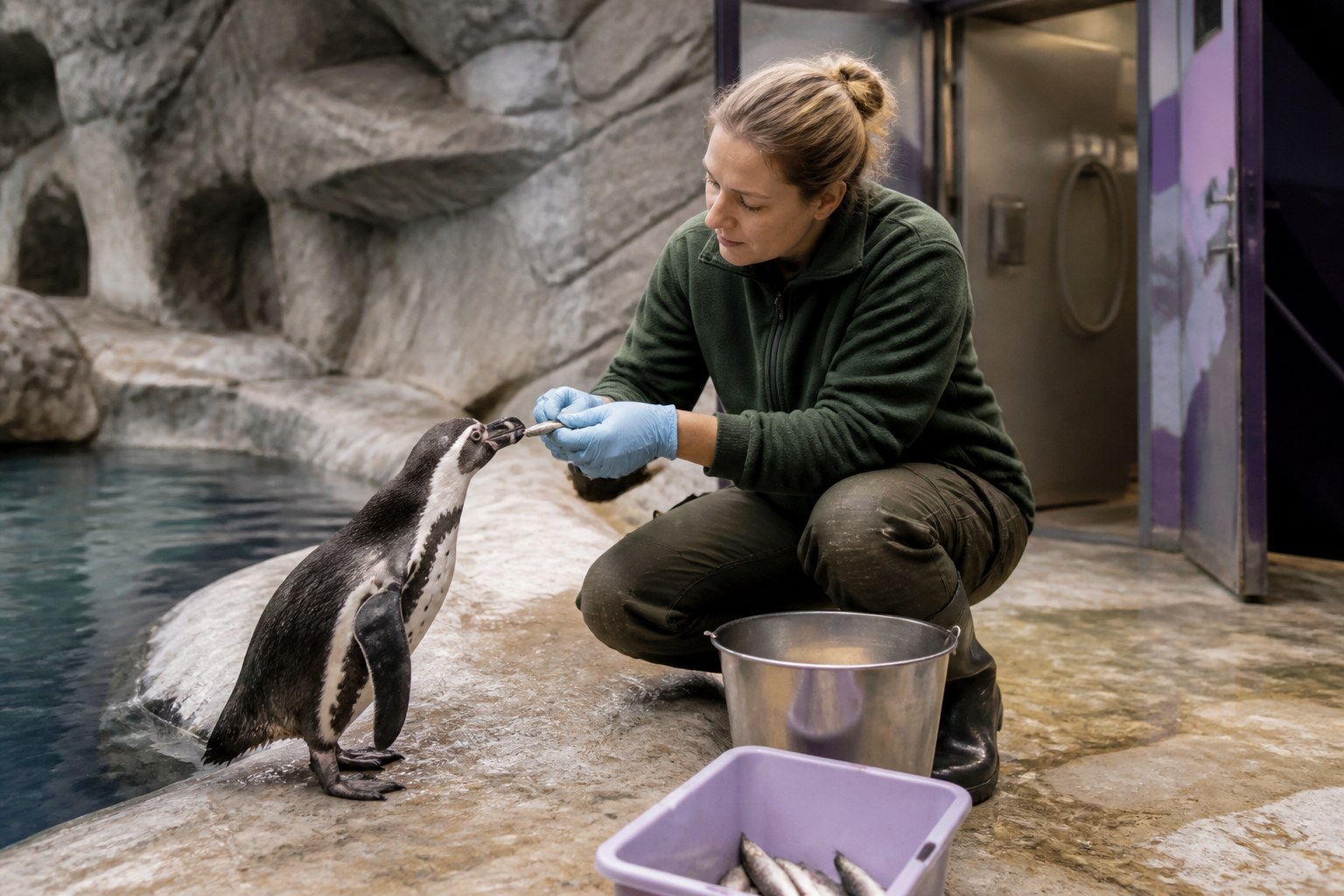
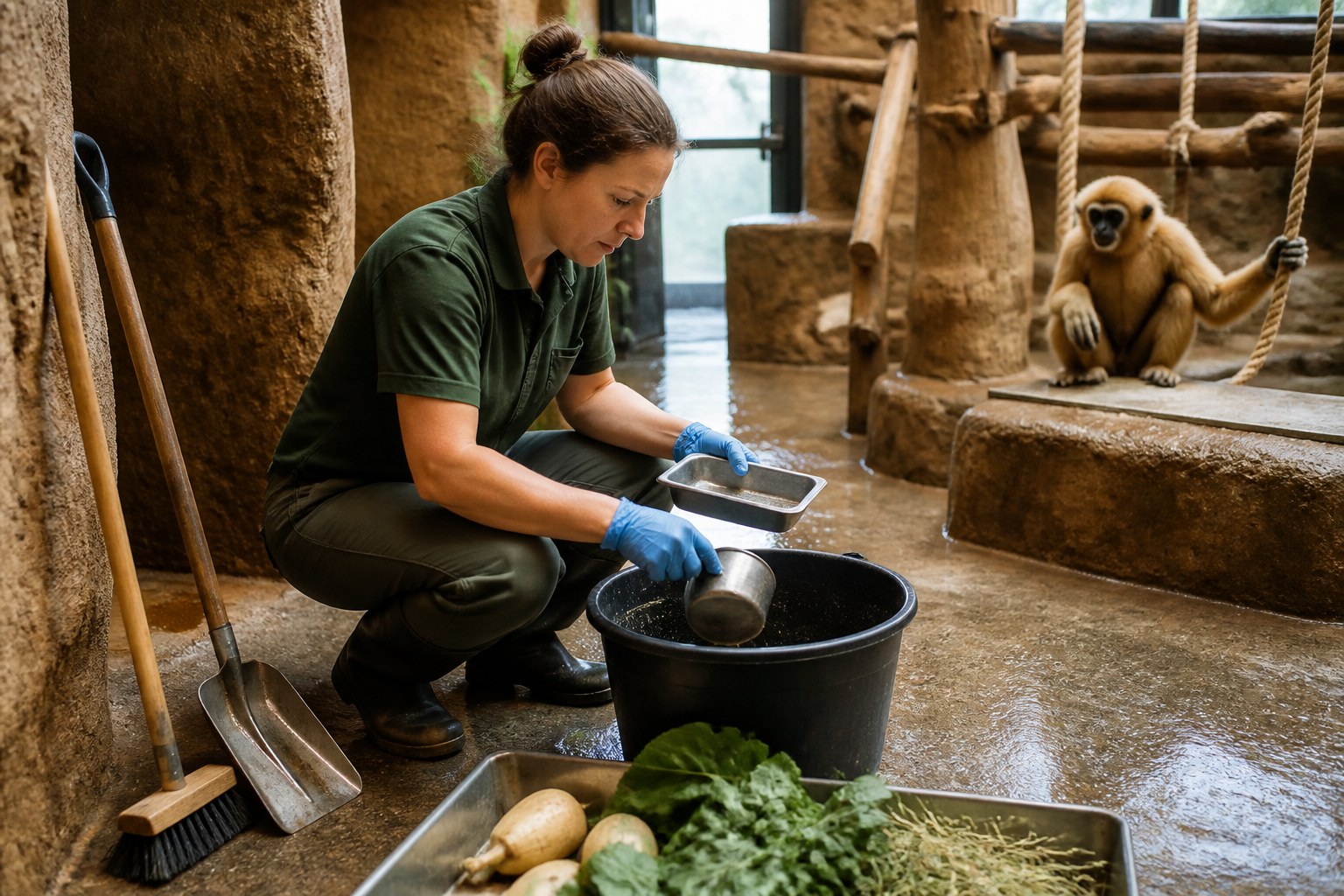
Relevant work may include daily animal care, observation, feeding routines, enclosure preparation, hygiene measures, handling care materials and recording important information about an animal’s condition. Your application should explain which activities you performed personally, which animals you worked with and how much responsibility you held.
The professional group includes candidates with experience in animal-care facilities, breeding environments, shelters, research-related settings, agricultural operations or other workplaces involving regular animal care. These environments differ significantly. A strong profile identifies the working environment clearly and connects it to specific practical skills.
Applicants seeking employment through East Talent apply for opportunities in their professional group rather than for a named vacancy or a specific employer. The purpose of the initial profile is to show where your animal-care experience, qualifications and language skills fit within employment opportunities in Germany.
Which Qualifications and Experience Matter
There is no single universal qualification statement for every animal caretaker position. The relevance of your background depends on the animals, equipment, working environment and responsibilities represented in your professional history. Present your vocational training, practical experience and additional technical knowledge precisely.
If you completed vocational training related to animal care, include the official name of the qualification, the training institution, the training period and the main subjects covered. If your education has a different title in your country, provide the original designation and a clear English description rather than translating it inaccurately.
Practical experience is important because animal care depends on reliable routines and responsible observation. Explain the animal species you handled, the duration of your experience, the care procedures you performed and the level of independence you had. Mention technical knowledge such as enclosure maintenance, hygiene procedures, feeding systems, animal handling or care documentation only when these skills reflect your real experience.
Additional knowledge strengthens your profile when it relates directly to the professional group. Examples include experience with particular animal species, facility equipment, safety procedures, cleaning systems, breeding routines or basic health observation. Do not claim medical or veterinary responsibilities unless your training and work history support those claims.
Your profile should distinguish between formal qualifications and practical skills. A certificate demonstrates education or training, while a detailed employment history shows how you used your knowledge in a real working environment.
How to Present Your Animal Care Experience
Describe each relevant position in a structured way. State the employer or organisation, your position, the period of employment and the working environment. Then explain your responsibilities in clear action-based language. This gives reviewers a reliable basis for understanding your professional level.
For every position, identify the animals involved and the practical activities you performed. State whether you worked with domestic animals, farm animals, laboratory animals, zoo animals or another group. Avoid broad descriptions such as “looked after animals” when more precise information is available.
Explain your working routines. Useful details include preparing feed, maintaining enclosures, observing behaviour, handling animals, cleaning equipment, checking supplies, supporting breeding routines or keeping care records. Include only activities that you actually performed.
Describe the conditions in which you worked. Outdoor work, enclosed facilities, physically demanding routines, shift-based care and contact with cleaning agents are different aspects of professional experience. Such information helps create an accurate candidate profile without suggesting that every animal caretaker position involves the same conditions.
Employment references, certificates of employment and other evidence support the information in your CV. Where formal references are unavailable, provide other documents that clearly demonstrate your employment period, responsibilities or training. Keep dates consistent across your CV and supporting documents.
German Language Skills for Your Candidate Profile
German-language information belongs in every candidate profile for animal caretaker employment in Germany. Animal care involves routines, instructions, safety information and communication with colleagues. The importance of language depends on the working environment and the responsibilities connected with the role, but no single compulsory level should be presented as universal for this professional group.
State your current German level honestly and identify how you learned the language. You may use recognised Common European Framework of Reference levels such as A2, B1, B2 or C1. If you hold a language certificate, include the certificate name and date. If you are still learning, describe your current level and ongoing training accurately.
Also list other languages and explain whether you use them in professional contexts. Language information is most useful when it distinguishes speaking, listening, reading and writing skills. Do not claim fluent communication if you understand written instructions but have limited workplace conversation experience.
German skills should remain consistent throughout your CV, application information and interview communication. Accurate information allows your professional profile to be assessed properly and prevents avoidable misunderstandings during later discussions about employment.
Recognition of Foreign Qualifications
Professional recognition and immigration requirements are separate questions. First, establish whether the professional activity connected with your qualification is regulated in Germany. Regulated professions have legally protected professional activities or titles and require the relevant recognition or professional authorisation. Non-regulated professions are not protected in the same way.
Animal-care work does not receive one automatic classification for every possible activity and qualification. The competent authority and the specific professional reference point determine whether a recognition procedure applies. Do not assume that a foreign certificate is automatically recognised, and do not assume that no recognition-related document is relevant.
For non-regulated work, formal German professional recognition is not required in the same way as for a regulated profession. This does not automatically remove separate qualification requirements connected with residence or employment rules. Those requirements must be assessed separately for the individual situation.
Where a recognition procedure applies, the competent authority examines whether the foreign qualification is equivalent to the relevant German reference profession or whether substantial differences exist. The result depends on the documents and the competent authority’s assessment. Possible outcomes include full recognition, partial recognition or no recognition for non-regulated professions. Substantial differences may lead to an adaptation qualification or another designated qualification measure.
Prepare complete documents and preserve the original qualification titles. Translations, certified copies or additional evidence depend on the procedure. A complete submission gives the competent authority the information required to assess the qualification.
Animal Caretaker Application Preparation Overview
Candidate area
What to prepare
Why it matters for your profile
Professional qualification
Training certificates, qualification titles, institution and training period
Shows your formal education and supports any recognition-related assessment
Practical animal-care experience
Employers or organisations, positions, dates, animal species, duties and working environments
Demonstrates what you have actually done and the level of responsibility you held
German-language skills
Current CEFR level such as A2, B1, B2 or C1, certificates and learning status
Provides a transparent basis for evaluating workplace communication
Application documents
CV, certificates, references, experience evidence and translations where relevant
Creates a complete and consistent candidate profile for further consideration
Documents to Prepare for an Application
Prepare a clear CV as the central document in your candidate profile. It should include your contact details, education, vocational training, employment history, animal-related skills and German-language information. Present employment periods consistently and explain gaps where relevant.
Collect certificates for vocational training, education and other relevant courses. Add employment references or other evidence that confirms your practical animal-care experience. Documents should make your responsibilities understandable rather than merely listing job titles.
Include information about animal species, working environments, equipment and care procedures that are relevant to your background. Evidence of additional technical training, safety instruction or specialist animal-care knowledge belongs in the profile when it is genuine and documented.
Foreign certificates may require a German or English translation depending on the application or recognition procedure. Whether a certified or otherwise formalised translation is required depends on the specific process. Do not assume that every document requires the same type of translation.
Review every document before submission. Names, dates, job titles and qualification details should match across the CV, certificates and references. Accurate documentation supports a credible assessment of your professional background.
Working Conditions to Review Before Accepting Employment
Before accepting employment, read the employment contract carefully. The document should identify the contracting parties and state the start date, any fixed-term arrangement, the probationary period, the workplace, the duties, the pay, working time, holiday entitlement and notice periods.
Check that the described duties match the professional information you received. Animal-care work may involve physical activity, outdoor conditions, cleaning routines, animal handling and responsibility for regular care procedures. The contract and related information should provide a clear understanding of the expected work.
Pay attention to the difference between gross and net pay. Gross pay is the amount agreed before deductions. Taxes and social-security contributions reduce the amount paid to you. The resulting net amount depends on your personal tax and social-security circumstances and cannot be calculated from a gross figure alone.
Additional payments, premiums or allowances depend on the employment relationship and applicable rules. Collective agreements or company agreements may contain further provisions concerning pay, working time or holidays. Review these terms together with the employment contract rather than relying on informal descriptions.
Your financial planning should use the actual net amount and account for living costs connected with relocation. Rent, deposits, transport and other expenses affect the amount available after arrival. Do not make a relocation decision based only on a gross salary figure.
Applying for Animal Caretaker Employment in Germany
East Talent’s candidate application route is proactive. You apply for employment in your professional group rather than applying for a named vacancy or a specific employer. Your profile is assessed on the basis of your qualification, experience, German skills and the documents required for further consideration.
Submit a truthful and complete CV. Describe animal-care responsibilities in enough detail to distinguish your experience from unrelated work. Include your training, employment history, animal species, working environments, technical skills and language information. Do not add duties merely because they appear relevant to the profession.
The information in your profile should support employment opportunities throughout Germany. Applicants must remain open to jobs in different parts of the country instead of limiting their profile to one preferred city or region. Geographic flexibility provides a more accurate basis for identifying suitable employment opportunities.
Keep your documents available in an organised format. Certificates, references, translations where relevant and language evidence should be ready for review. If your documents are incomplete, explain what is missing rather than replacing it with an unsupported statement.
The quality of your application depends on accuracy and professional clarity. A detailed profile helps distinguish formal qualification, practical animal-care experience and transferable skills without creating expectations about a specific employer, location or employment condition.
A Practical Preparation Checklist
Before submitting your profile, check that your CV reflects your actual professional history. Confirm every employment period, position and responsibility. Use specific descriptions of animals, facilities, equipment and care procedures instead of general claims.
Prepare evidence of your qualifications and experience. Gather training certificates, employment references and other documents that support your professional background. Store translations with the original documents and identify which translations are available in German or English.
Record your German skills using a clear CEFR level where appropriate, such as A2, B1, B2 or C1. Add certificates and explain your current learning status. Make sure your language information matches your real communication ability.
Consider whether a recognition procedure is relevant to your qualification and intended professional activity. Regulated and non-regulated professions follow different principles, and recognition does not replace separate related to working in Germany checks.
Finally, confirm your mobility. Applying for animal caretaker employment in Germany requires openness to opportunities throughout the country. A complete, accurate profile gives East Talent a sound basis for assessing your professional group and presenting suitable employment opportunities.
Create your profile
Registration with East Talent
Four short steps. A CV is optional and can be provided in your native language.
Step 1 of 4Profession
East Talent
International recruitment with proprietary software
East Talent combines international recruitment with structured digital processes for handling candidate profiles, attracting employers and evaluating job opportunities.