Electronics Technician For Automation Technology Jobs In Germany
What Electronics Technicians for Automation Technology Do
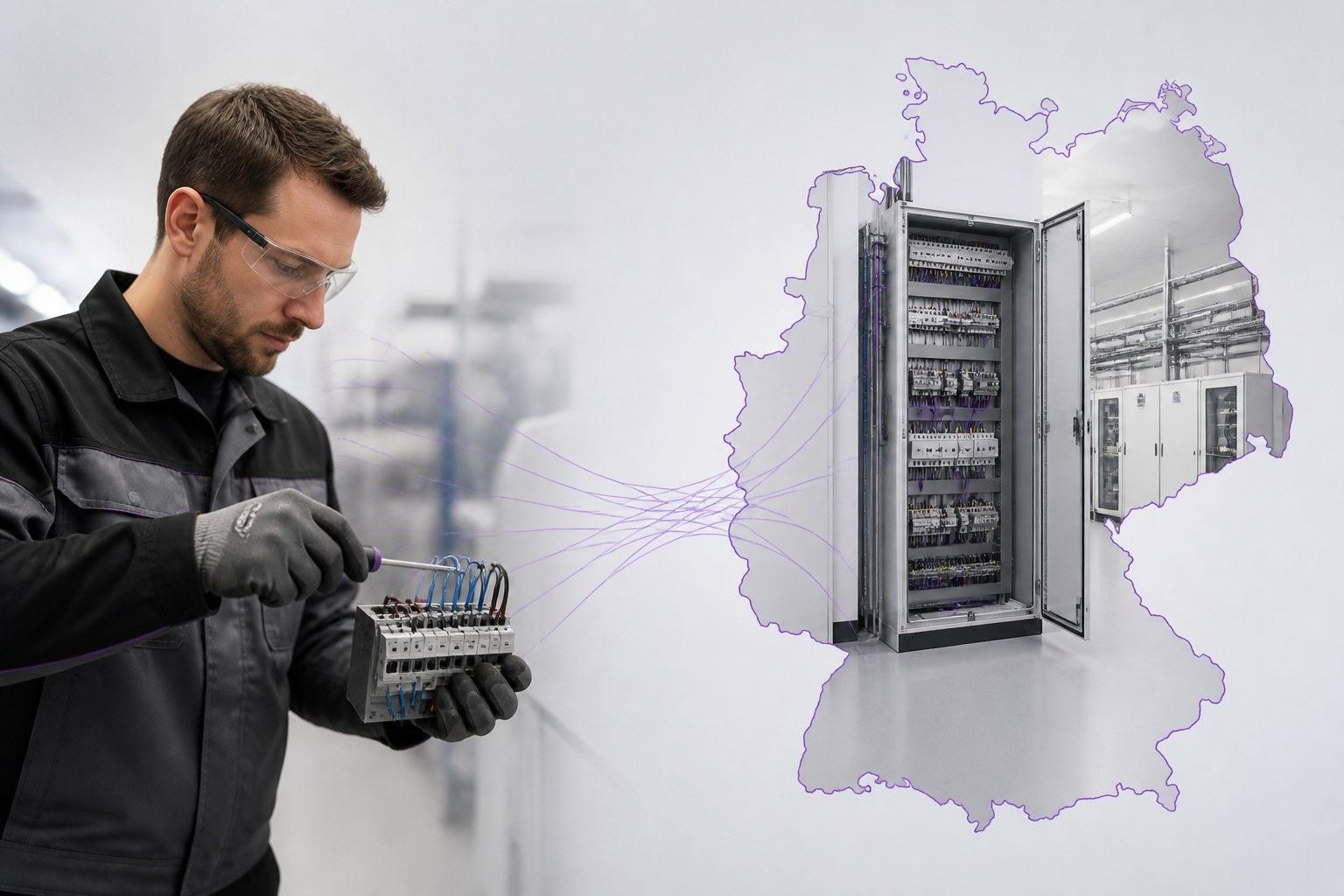
Electronics technicians for automation technology work with electrical systems, control technology and automated equipment. Their work connects electrical components with technical control processes used in industrial and production environments. The profession requires careful practical work, technical understanding and the ability to follow safety procedures.
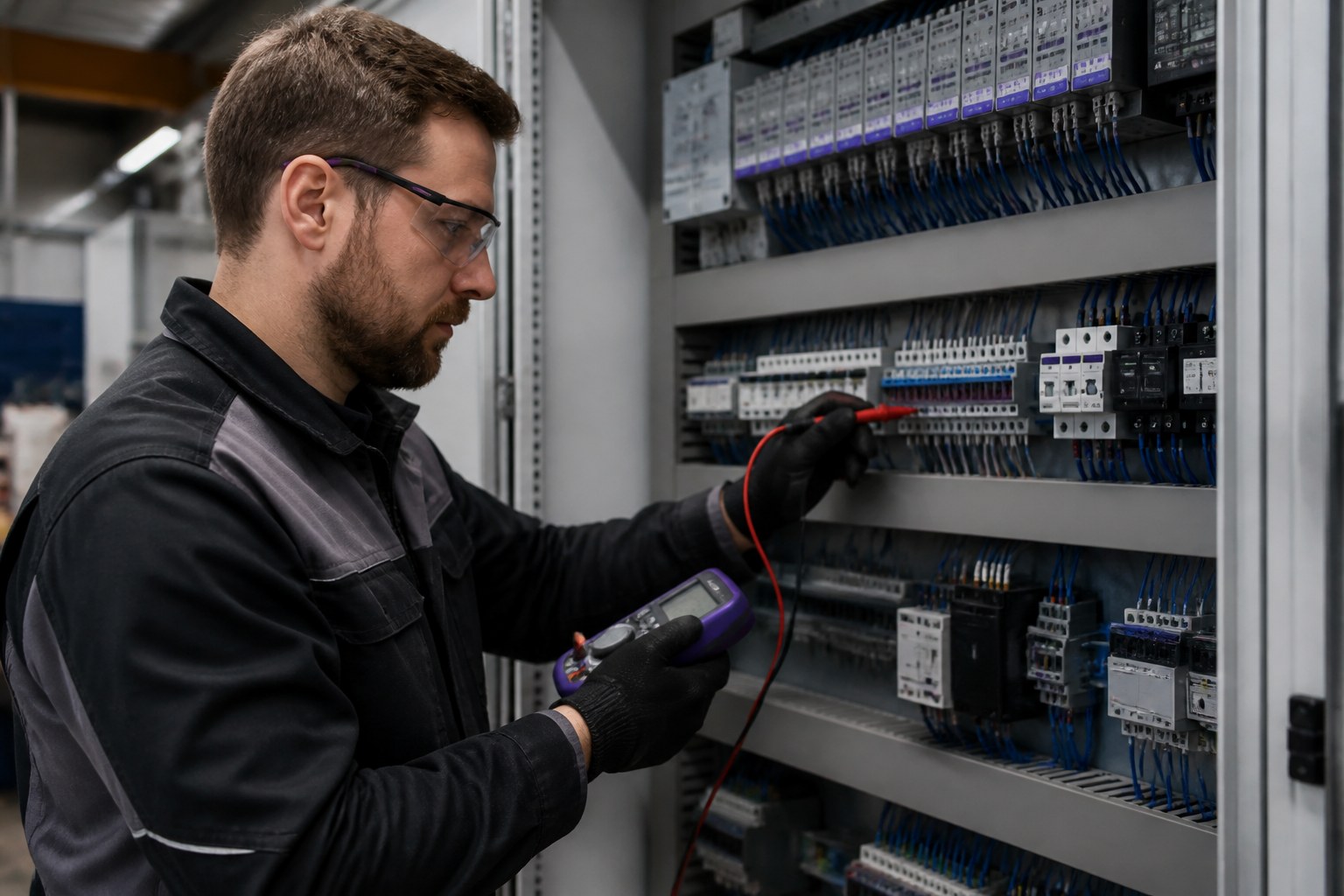
Typical areas of work include installing electrical components, connecting control systems, checking wiring and testing automation equipment. Technicians also inspect systems, identify faults and support the reliable operation of electrical and automation-related installations. Depending on the working environment, duties include commissioning equipment, carrying out maintenance and documenting technical work.
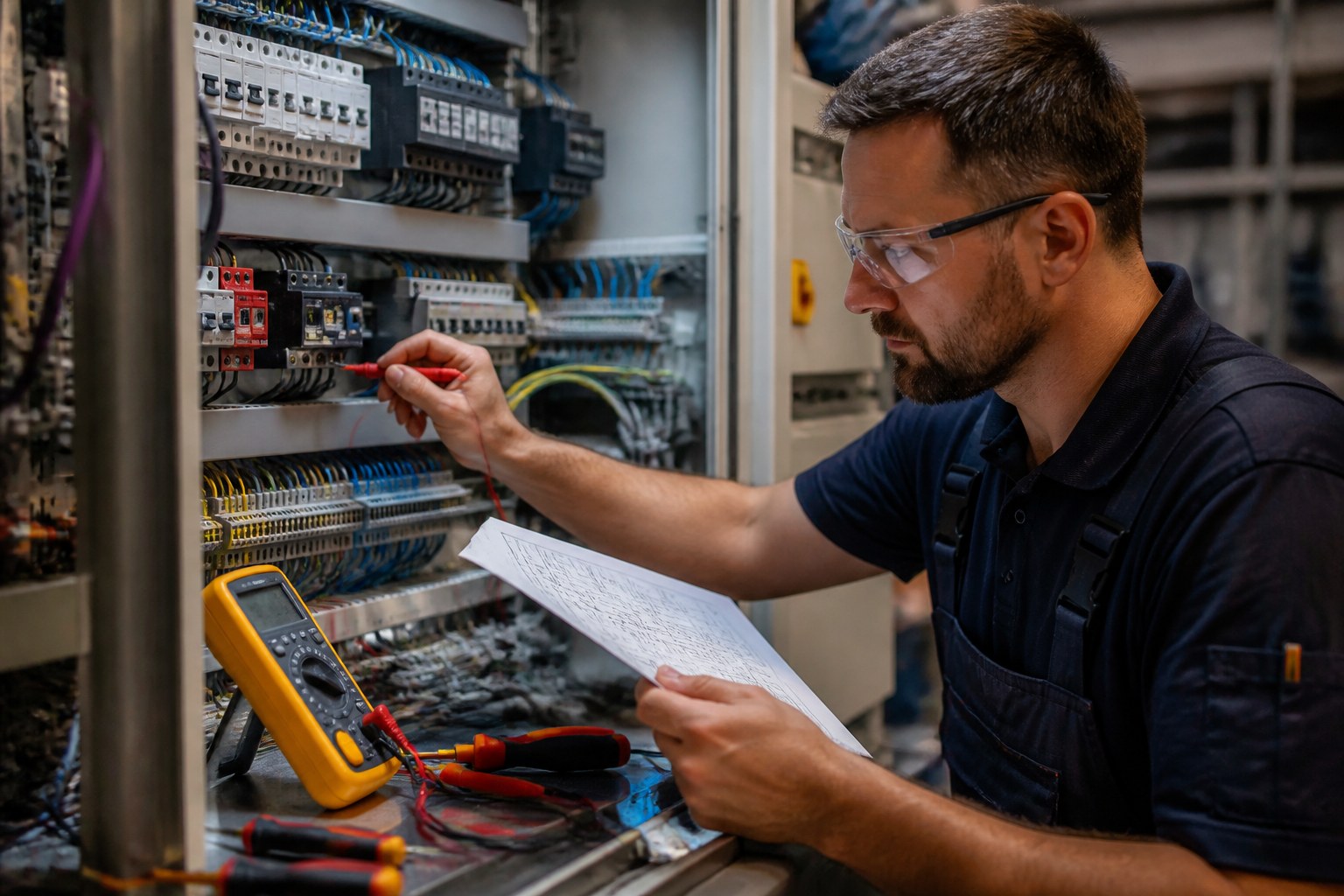
Fault analysis is an important part of the professional profile. A technician examines symptoms, checks components and connections, follows technical diagrams and works systematically towards a solution. Accurate documentation helps other technical staff understand what was inspected, repaired or adjusted.
The exact tasks associated with a position vary between industrial environments and technical operations. For your application, describe the practical activities you have actually performed rather than listing technical terms without evidence. Your profile should show how your training and experience relate to electrical systems, control technology and automation equipment.
Qualifications and Experience That Strengthen Your Profile
A completed vocational qualification in electronics, electrical engineering, automation technology or a closely related field provides an important foundation for this profession. Comparable technical qualifications also belong in your profile when they prepared you for work with electrical systems and automation equipment.
Practical experience strengthens your application. Describe the systems and components you worked with, the type of technical activities you performed and the level of responsibility you held. Relevant experience includes installation, commissioning, inspection, maintenance, troubleshooting and the use of technical documentation.
Your CV should distinguish between training and professional experience. State the name of your qualification, the institution or training provider, the period of training and the main technical content. For each relevant position, identify the employer, your job title, the employment period and your responsibilities.
Applicants should present their qualifications for employment opportunities throughout Germany. A complete technical profile gives East Talent a reliable basis for assessing your background and considering suitable employment opportunities in your professional field. Do not claim experience with equipment, software or procedures that you have not used.
Technical Knowledge to Present in Your Application
Your application should explain the technical areas in which you have practical knowledge. Depending on your background, this includes the installation and connection of electrical components, the commissioning of automation equipment, inspection work and maintenance.
Fault analysis deserves a clear description. Explain whether you diagnosed electrical faults, checked wiring and terminals, tested sensors or control components, read technical diagrams or carried out repairs under supervision. Concrete descriptions are more useful than general statements such as “good technical skills.”
Safe work with automation-related electrical equipment is also part of a credible professional profile. Describe the safety procedures and technical instructions you followed in your previous training or employment. Do not add certificates or authorisations unless you hold the relevant documents.
Technical documentation is another area to present accurately. Examples include inspection records, maintenance notes, commissioning documentation and reports describing faults or completed work. If you worked with measurement equipment, identify the type of measurement activity without claiming a specific device or method that does not match your experience.
A strong application connects each technical statement with evidence from your training, employment records or certificates. This approach helps reviewers understand both the breadth of your knowledge and the practical level at which you worked.
Vocational training or a comparable technical qualification, with certificates and training records
Shows the foundation of your professional profile
Practical work experience
Employers, positions, dates and specific duties involving electrical or automation technology
Makes your technical experience clear and verifiable
German language skills
Your actual level, such as A2, B1, B2 or C1 where applicable, plus relevant certificates
Supports communication about instructions, safety and documentation
Recognition-related documents
Foreign qualification records and other documents relevant to an applicable procedure
Supports assessment of your qualification and possible related to working in Germany requirements
CV and certificates
A consistent CV, vocational records, employment evidence and relevant certificates
Allows your education and professional history to be reviewed efficiently
Availability throughout Germany
A profile that does not restrict employment opportunities to one preferred city
Matches the nationwide scope of potential employment opportunities
Why German Skills Matter in This Technical Profession
German is an important part of your candidate profile as an electronics technician for automation technology. Technical work depends on the accurate understanding of instructions, safety information, warning notices and workplace communication. Misunderstanding a technical instruction affects both work quality and safety.
Communication also takes place during installation, testing, maintenance and fault analysis. Technicians often need to explain what they inspected, report an abnormal result, ask for clarification or document a completed task. Clear communication supports cooperation with other technical employees and helps ensure that work is recorded correctly.
German skills matter in written as well as spoken communication. Technical documentation, maintenance records, inspection notes and internal instructions require careful reading and precise wording. Your application should therefore describe your actual ability to understand and use German in a technical working environment.
State your language skills honestly and use recognised Common European Framework of Reference levels such as A2, B1, B2 or C1 where applicable. You may also explain how you use German in practice, for example in everyday communication, technical reading or workplace conversations. Do not claim a language level that you have not achieved.
Language information belongs alongside your technical qualifications rather than as an isolated item. A clear profile shows the relationship between your training, your practical experience and your ability to communicate about technical work. Continue improving German before and during your preparation for employment in Germany, particularly vocabulary connected with electrical systems, tools, safety and documentation.
Recognition of Foreign Qualifications
Electronics technician occupations based on vocational training belong to the broader group of occupations connected with the dual training system. Non-regulated professions are not legally protected in the same way as regulated professions. In a non-regulated occupation, formal German professional recognition is not generally required in order to work.
This point does not remove the importance of qualification evidence. Employers and recruitment processes need reliable information about your training and experience. In addition, related to working in Germany qualification requirements are assessed separately from professional recognition. The fact that an occupation is non-regulated does not automatically mean that no qualification documents are relevant for residence purposes.
Recognition authorities assess whether a foreign vocational qualification corresponds to a German reference profession and whether substantial differences exist. The result depends on the submitted qualification and the responsible authority’s assessment. Possible outcomes for non-regulated occupations include full recognition, partial recognition or no recognition.
If the submitted documents are complete, the supplied information states that the responsible authority generally reviews an application within about three to four months. Where substantial differences exist, an adaptation qualification or another designated qualification measure addresses those differences in appropriate cases.
Keep recognition and residence questions separate in your preparation. Organise your vocational certificates, training records and employment evidence, and obtain reliable information about the procedure relevant to your personal situation. Do not assume that one recognition result or one residence rule applies to every candidate.
Documents to Prepare for Your Application
Prepare a clear CV that presents your education, vocational training, professional experience, language skills and relevant technical abilities. Use a chronological structure that allows the reader to understand your development from training to current experience.
Your work history should identify each employer, position and employment period. Describe your responsibilities in practical terms, including installation, commissioning, inspection, maintenance, troubleshooting, testing and documentation where those activities match your experience.
Collect certificates and records connected with your vocational training. Important school, vocational and higher-education certificates belong in your document file when they support your professional profile. Include employment evidence that confirms the positions you held and the tasks you performed.
State your German skills accurately and include any relevant language certificates. A photograph is not a general requirement for an application. For documents issued in another language, a translation into German or English is useful or required in some procedures. Whether a certified or otherwise formalised translation is required depends on the particular procedure, so do not assume one universal translation rule.
Keep digital copies of your documents in a clear order and use consistent file names. Check that dates, job titles and qualifications match across your CV, certificates and employment evidence. Incomplete or contradictory information makes it harder to assess your profile.
Working Conditions to Understand Before Employment
Once an employment relationship is offered, review the employment contract carefully. Important information includes the parties to the contract, the start date, a possible fixed term, the probationary period, the workplace, your duties, pay, working time, holiday entitlement and notice periods.
Pay is normally stated as a gross amount. Gross pay is not the same as the amount transferred to your bank account because taxes and social insurance contributions are deducted according to your personal circumstances. Social insurance includes health, long-term care, pension, unemployment and accident insurance. The exact net amount therefore requires an individual calculation.
The statutory minimum holiday is 24 working days under the legal six-day-week calculation. For a five-day working week, this corresponds to 20 working days. An employment contract or collective agreement provides a higher entitlement where applicable.
Working time also has legal limits. Under the supplied statutory information, daily working time generally must not exceed eight hours. It is extended to up to ten hours when the average remains within eight hours per working day over the stated six-calendar-month or 24-week reference period. This statutory maximum is different from the regular weekly working time agreed in a contract.
Read the contract before accepting employment and compare its information with what you understand about the role. Pay attention to the workplace, duties, working hours and any applicable collective or workplace agreements. Ask for clarification about unclear terms before signing.
How to Prepare for Opportunities Across Germany
Applicants for electronics technician jobs in Germany should submit a complete and truthful professional profile. The most important elements are documented technical training, practical experience, accurate German-language information and organised supporting documents.
Your preparation should not focus on one preferred city. Candidates must remain open to employment opportunities throughout Germany. This geographic flexibility is part of the East Talent application model because suitable employment opportunities are assessed across the country rather than promised for one particular location.
Use your CV to make your technical background easy to assess. Explain the electrical and automation-related tasks you performed, identify the equipment and components you actually worked with and show how your experience developed. Add certificates and employment evidence that support these statements.
East Talent reviews candidate profiles for professional qualifications, experience, German skills and the documents needed for placement. Suitable candidates may subsequently be introduced to appropriate companies in Germany. At the initial application stage, you are presenting your professional background rather than applying for a specific advertised vacancy.
Before submitting your information, check that your documents are readable, your dates are consistent and your language level is stated accurately. A well-prepared profile gives reviewers a sound basis for understanding your suitability for electronics technician opportunities.
Apply for Electronics Technician Jobs in Germany
Electronics technician jobs in Germany require more than a general interest in technology. Your application should document vocational training or a comparable technical qualification, practical experience with electrical and automation-related systems and the ability to describe technical work accurately.
Prepare a structured CV, certificates, training records and evidence of employment. Explain your experience with installation, commissioning, inspection, maintenance, testing, fault analysis and technical documentation only where these activities reflect your actual background. State your German skills honestly and use recognised language levels where appropriate.
If your qualification comes from outside Germany, keep professional recognition separate from related to working in Germany questions. A non-regulated occupation does not generally require formal German professional recognition to work, while qualification evidence still matters for professional assessment and may matter for related to working in Germany requirements.
Review employment information carefully when an employment relationship is offered, including gross pay, deductions, working time, holiday entitlement, duties, workplace and notice periods. Remain open to opportunities throughout Germany and avoid limiting your profile to one preferred location.
Four short steps. A CV is optional and can be provided in your native language.
Step 1 of 4Profession
East Talent
International recruitment with proprietary software
East Talent combines international recruitment with structured digital processes for handling candidate profiles, attracting employers and evaluating job opportunities.