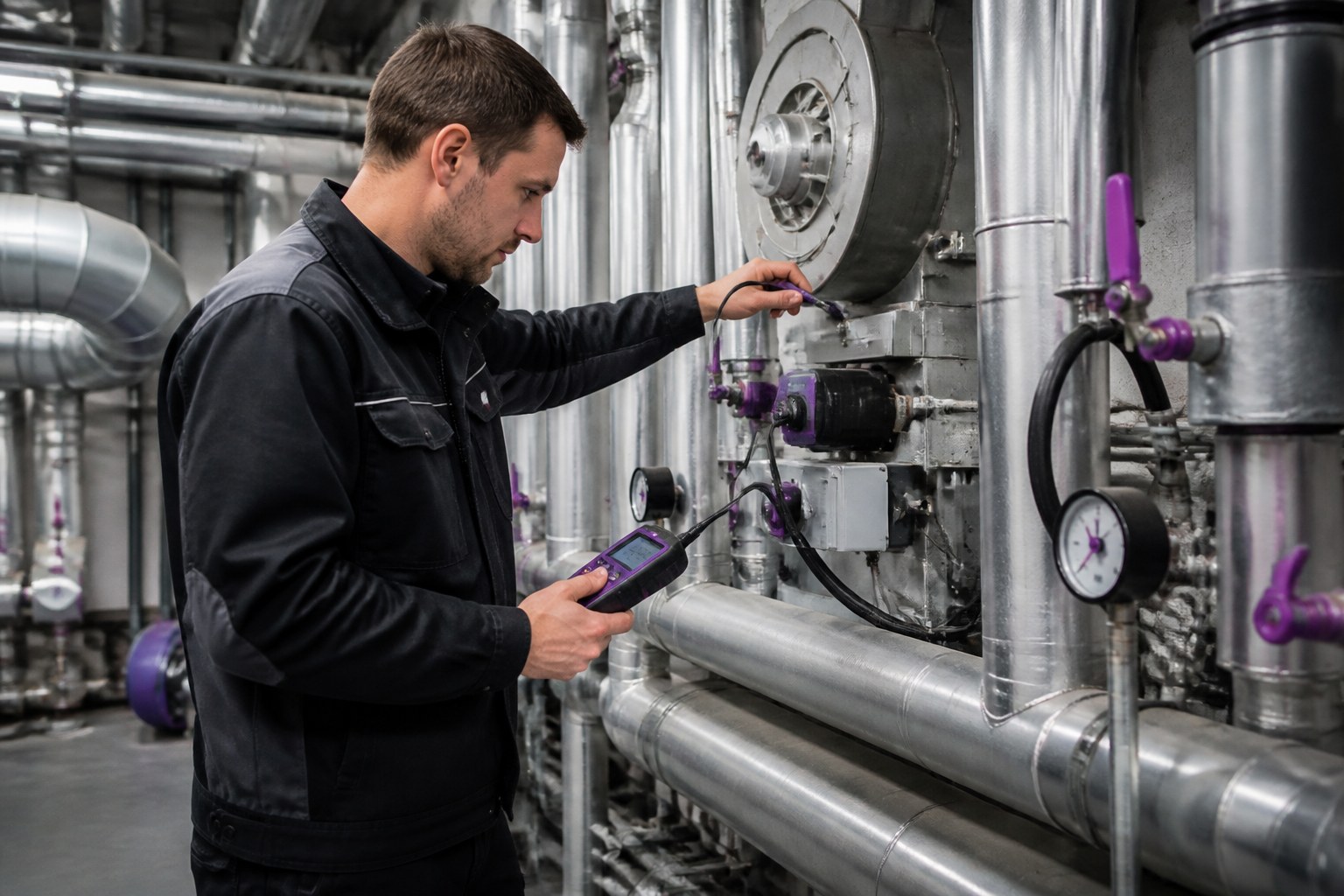
Building services technicians work with the technical systems that support the operation, safety and usability of buildings. Their professional environment includes installations, plant rooms, connected equipment, control components and building infrastructure. Depending on their training and experience, candidates work in areas such as installation-related tasks, inspection, maintenance, servicing and troubleshooting.
The exact professional focus depends on the candidate’s qualification, technical specialisation and employment history. Some professionals concentrate on heating, ventilation, air-conditioning, plumbing, electrical systems or building automation. Others have broader experience across several technical systems. Your application should therefore describe the systems, equipment and types of work you have handled instead of relying only on a general job title.
Practical building services work requires technical accuracy and careful coordination. You may need to interpret technical information, follow instructions, identify faults, use tools and measuring devices, and document completed work. Safe working behaviour is especially important when working with connected building systems, machinery, electrical components, water installations or technical plant.
Building services technicians also work at the connection between individual systems. A fault in one component affects ventilation, heating, water supply, controls or the operation of a wider installation. This makes systematic checking important: you need to understand the purpose of the equipment, observe its condition, carry out appropriate measurements and report the result accurately. Your practical experience is most useful when your application explains this working method rather than simply listing equipment names.
For applicants seeking building services technician jobs in Germany, the strongest profile connects technical training with specific evidence of practical work. State which systems you know, what responsibilities you held and which tasks you performed independently or as part of a technical team.
Which Qualifications and Experience Matter
A completed vocational or technical qualification gives your profile an important foundation. Include the exact name of your qualification, the training institution, the completion date and the technical field. If your qualification covers several building services areas, identify the subjects that relate directly to building systems and technical maintenance.
Professional experience matters because building services work depends on the practical application of technical knowledge. Describe the buildings, installations or systems you worked with and explain your responsibilities. Useful details include installation-related work, commissioning support, inspections, preventive maintenance, repairs, fault diagnosis and service documentation, provided these tasks are part of your actual experience.
Technical specialisations also help employers and recruitment professionals understand your profile. Mention relevant experience with heating systems, ventilation equipment, air-conditioning technology, sanitary installations, electrical building systems, control technology or other areas only when you have genuinely worked with them. Do not list systems that you have only encountered briefly or studied without practical application.
Safety knowledge is another important part of the professional profile. Explain the safety procedures, technical instructions and protective working practices you followed. Your documents and work history should show that you understand the importance of safe preparation, careful inspection and accurate reporting.
Experience should be presented in a way that connects each position with the building services field. For every relevant employer, state the position, dates of employment, main responsibilities and systems handled. A clear work history gives your application more value than a list of job titles without technical detail.
Explain the level of responsibility you held in each role. Distinguish between tasks you carried out independently, tasks completed under supervision and tasks performed with a team. Also identify whether you worked on new installations, existing buildings, scheduled service visits or urgent fault repairs. These details give a more accurate picture of your practical competence without overstating your experience.
If you used technical drawings, wiring diagrams, maintenance schedules, digital control interfaces or measuring instruments, describe that experience precisely. Include the type of information you interpreted and the purpose of the work. A candidate profile becomes easier to assess when technical knowledge is connected to real working situations, tools and documented results.
German Skills for Building Services Work
German is an important part of a building services technician’s candidate profile. Technical work involves instructions, coordination with colleagues, communication about faults and documentation of completed activities. Understanding workplace communication also supports safe behaviour when tasks involve equipment, installations or technical risks.
Your German skills should be stated honestly and clearly. When applicable, describe your level using a recognised Common European Framework of Reference for Languages designation such as A2, B1, B2 or C1. Also explain how you use German in practice. For example, state whether you understand technical instructions, communicate about maintenance work, complete written records or speak with colleagues about problems.
A language level alone does not fully describe workplace readiness. A candidate with technical experience should connect language information with professional situations. Mention experience reading technical documents, following safety instructions or documenting service work if these activities are part of your actual background.
Continue improving both general and technical German while preparing your application. Vocabulary related to tools, installations, faults, measurements, safety and maintenance makes it easier to explain your experience and understand technical communication. Do not claim a language level that you cannot demonstrate in a professional conversation.
Technical vocabulary deserves focused preparation because many workplace exchanges are short and task-oriented. You should understand instructions about equipment condition, isolation, testing, replacement, cleaning and reporting. You also need to communicate when a fault remains unresolved, when a component requires attention or when a task has been completed. These examples show why practical communication matters alongside general language learning.
Include language certificates when they are available, but do not use a certificate as a substitute for an honest description of your actual communication ability. Your profile should distinguish between reading, listening, speaking and writing where these abilities differ. This information gives a clearer basis for reviewing your readiness for technical work in Germany.
Recognition of Foreign Technical Qualifications
Recognition of a foreign qualification and related to working in Germany requirements are separate matters. A recognition procedure examines whether your foreign professional qualification corresponds to a German reference occupation and whether substantial differences exist. This assessment does not itself decide every requirement connected with employment.
For non-regulated professions, possible recognition outcomes include full recognition, partial recognition or no recognition. If substantial differences are identified, an adaptation qualification or another permitted qualification measure may address those differences, depending on the case. Regulated professions follow additional rules, and this article does not classify building services technician work as regulated or non-regulated.
Prepare complete and consistent qualification evidence for any procedure that applies to your situation. Relevant documents include certificates, examination records and other proof of vocational or technical training. Employment records can also help explain the practical experience connected to your qualification.
An authority compares the submitted qualification with the relevant German reference occupation. The result therefore depends on the documents, the qualification and the professional content demonstrated in the procedure. Keep copies of all submitted documents and make sure names, dates and qualification titles are consistent across your application.
Recognition does not replace a clear professional application. Even when your qualification is assessed, your CV still needs to show the practical systems, tools, responsibilities and technical tasks you have handled.
The content of your training is important during assessment. A certificate title alone may not explain the subjects, duration or practical elements of your qualification. Collect examination records, subject information and other training evidence when these documents exist. Employment evidence adds context by showing how you applied the qualification after completing your training.
If documents are incomplete, difficult to read or inconsistent, the review becomes harder to complete. Check names, dates, translations and qualification titles before submitting them. Keep a record of the documents provided and of any further information requested during the procedure. This organisation also helps you maintain the same information in your CV and application form.
Documents to Prepare for Your Application
Start with a clear CV that presents your technical profile in a logical order. Include your contact details, education, vocational training, employment history, language skills and relevant technical abilities. Describe work experience with the employer, position, employment dates and main responsibilities.
Your professional history should make the building services connection visible. Instead of writing only “technician,” explain whether you performed inspections, installation-related work, maintenance, repairs, fault finding, measurements, equipment checks or technical documentation. Use accurate descriptions based on your real experience.
Collect certificates and qualification documents before applying. Important school, vocational and higher-education certificates may form part of an application or a later procedure. Include evidence of relevant courses, safety training and technical specialisations when those documents are available and relevant.
Foreign-language certificates may require translation into German or English, depending on the procedure. Whether a certified or otherwise formalised translation is required depends on the relevant process. Do not assume that one translation rule applies to every document or every procedure.
A motivation letter may be requested during an application process. If you prepare one, focus on your technical background, relevant building services experience, German skills and readiness to work in Germany. An application photo is not a general requirement.
Before submitting your profile, check that dates, job titles, qualification names and technical descriptions agree across your CV and certificates. Inconsistencies make your experience harder to assess and create avoidable questions during review.
Your CV should also show the technical scope of each position. List the main systems, the type of work performed and the level of responsibility instead of copying generic duties. If you have worked with several employers, use a consistent format so that periods of employment and technical development are easy to follow.
Prepare readable digital copies of your documents and use clear file names. Keep the original documents available for later checks. Do not add certificates for equipment or tasks that you have not actually completed. Accurate documentation protects the credibility of your application and gives reviewers a reliable basis for assessing your profile.
Building Services Technician Application Checklist
Application area
What to prepare
Why it matters
Technical qualification
Vocational or technical certificates, qualification titles and completion details
Shows the formal foundation of your building services profile and supports later qualification assessment
Professional experience
Employers, positions, dates, systems handled and technical responsibilities
Connects your work history with installation, maintenance, inspection and troubleshooting experience
German language skills
Current CEFR description such as A2, B1, B2 or C1 when applicable, plus workplace communication abilities
Helps assess your ability to understand instructions, communicate safely and document technical work
Supporting documents
Certificates, employment evidence, relevant training records and translations where required by the procedure
Allows your qualifications and experience to be reviewed consistently and completely
What to Review Before Accepting Employment
Before accepting employment in Germany, read the employment contract carefully. It should identify the contracting parties and provide important information about the start date, any fixed term, the probationary period, workplace, duties, pay, working time, holiday entitlement and notice periods.
The workplace description deserves particular attention for building services technicians. Technical work may involve different buildings, plant rooms, installations and maintenance environments. Make sure you understand the stated duties and the location or locations connected with the employment relationship.
Pay is normally stated as a gross amount. Gross pay is not the same as the net amount transferred to your bank account. Taxes and social security contributions reduce the amount paid out, and the exact net figure depends on your personal tax and social security circumstances. Additional payments, premiums or allowances depend on the employment relationship and applicable rules.
Working time, leave and other conditions may also be affected by a collective agreement or works agreement. Review the contract together with any applicable additional provisions. Do not evaluate an employment offer using a gross figure alone: rent, deposits, transport and other living costs affect the amount that remains available after relocation.
Keep a copy of the final contract and any documents referred to in it. If a contractual term is unclear, obtain an explanation before signing. Understanding the duties, pay structure, working time and notice provisions helps you make a well-informed decision.
For technical work, clarify how the contract describes travel between workplaces, access to technical sites, tools and working clothing where these subjects are relevant to the employment relationship. Also read any provisions concerning on-call duties, shift arrangements or additional working time carefully when they appear in the contract or related documents.
Relocation planning requires more than comparing gross pay. Initial housing costs, a deposit, transport to the workplace and everyday expenses reduce the funds available during the first weeks in Germany. Build these costs into your personal planning and ensure that you understand when payments are made and which contractual conditions apply.
Applying for Building Services Technician Jobs Across Germany
East Talent’s candidate process starts with an initiative application for employment in your professional group. You do not apply at this stage for a named vacancy or a specific employer. The relevant focus is your building services profile, including qualifications, practical experience, German skills and supporting documents.
East Talent reviews the information you provide and identifies suitable employment opportunities with companies in Germany when your profile matches their requirements. This makes a complete and accurate application important. Your documents should enable a clear assessment of your technical background without depending on information from an invented or unnamed vacancy.
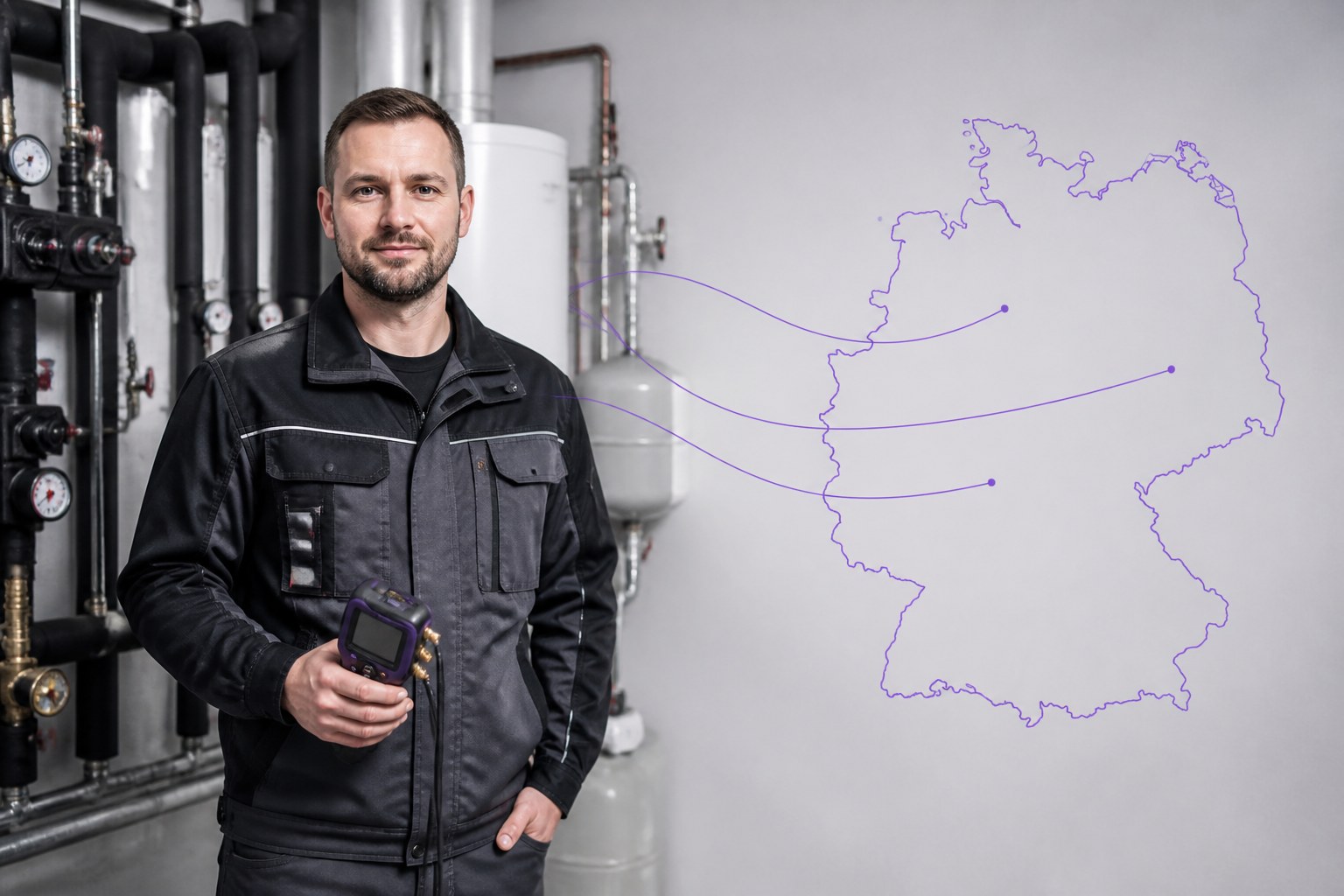
Applicants must be open to employment opportunities throughout Germany. Limiting your expectations to one city reduces the geographical scope of your search and does not match this application model. State your technical strengths clearly and remain flexible about the location of suitable employment in Germany.
Mobility also requires practical preparation. Consider how you would organise relocation, travel to work and access to the workplace. Building services work is performed in technical environments rather than exclusively at a desk, so your expectations should reflect the practical nature of the profession.
Use the internal link to Jobs in Germany for broader information while preparing your profile. Your professional application should remain focused on building services technology, your actual experience and the documents that support your qualifications.
Openness to different locations does not mean that your professional preferences should be hidden. Describe the types of technical environment and duties that match your experience, while recognising that suitable employment opportunities exist throughout Germany. This gives the review a useful professional direction without limiting your profile to one local labour market.
Plan how you will present your availability, notice period and readiness to relocate. These details belong in an accurate candidate profile when they are relevant to your circumstances. They should not replace evidence of qualifications, experience and language skills, but they help create a complete picture of your preparation for employment in Germany.
How to Strengthen Your Candidate Profile
Begin by organising your vocational or technical certificates and creating a complete employment history. Record the systems, installations, tools, measurements, inspections and maintenance tasks that reflect your real building services experience. Specific descriptions make your professional profile easier to assess.
State your German skills honestly and connect them with workplace activities such as understanding instructions, communicating with colleagues and documenting technical work. If recognition of your foreign qualification is relevant, identify the documents needed for the procedure and keep qualification information consistent throughout your application.
Prepare for employment throughout Germany rather than focusing only on one preferred city. Review contractual information carefully before accepting employment, including the contracting parties, duties, workplace, gross pay, working time, leave and notice periods.
Before sending your application, check the complete profile from the perspective of someone assessing your technical background for the first time. The CV, certificates, employment evidence and language information should support the same professional story. Remove unclear claims, correct inconsistent dates and add practical details where a job title alone does not explain your experience.
A well-prepared application combines technical qualifications, practical experience, language information and reliable documents. Apply now
Four short steps. A CV is optional and can be provided in your native language.
Step 1 of 4Profession
East Talent
International recruitment with proprietary software
East Talent combines international recruitment with structured digital processes for handling candidate profiles, attracting employers and evaluating job opportunities.