What Construction Equipment Operators Do in Germany
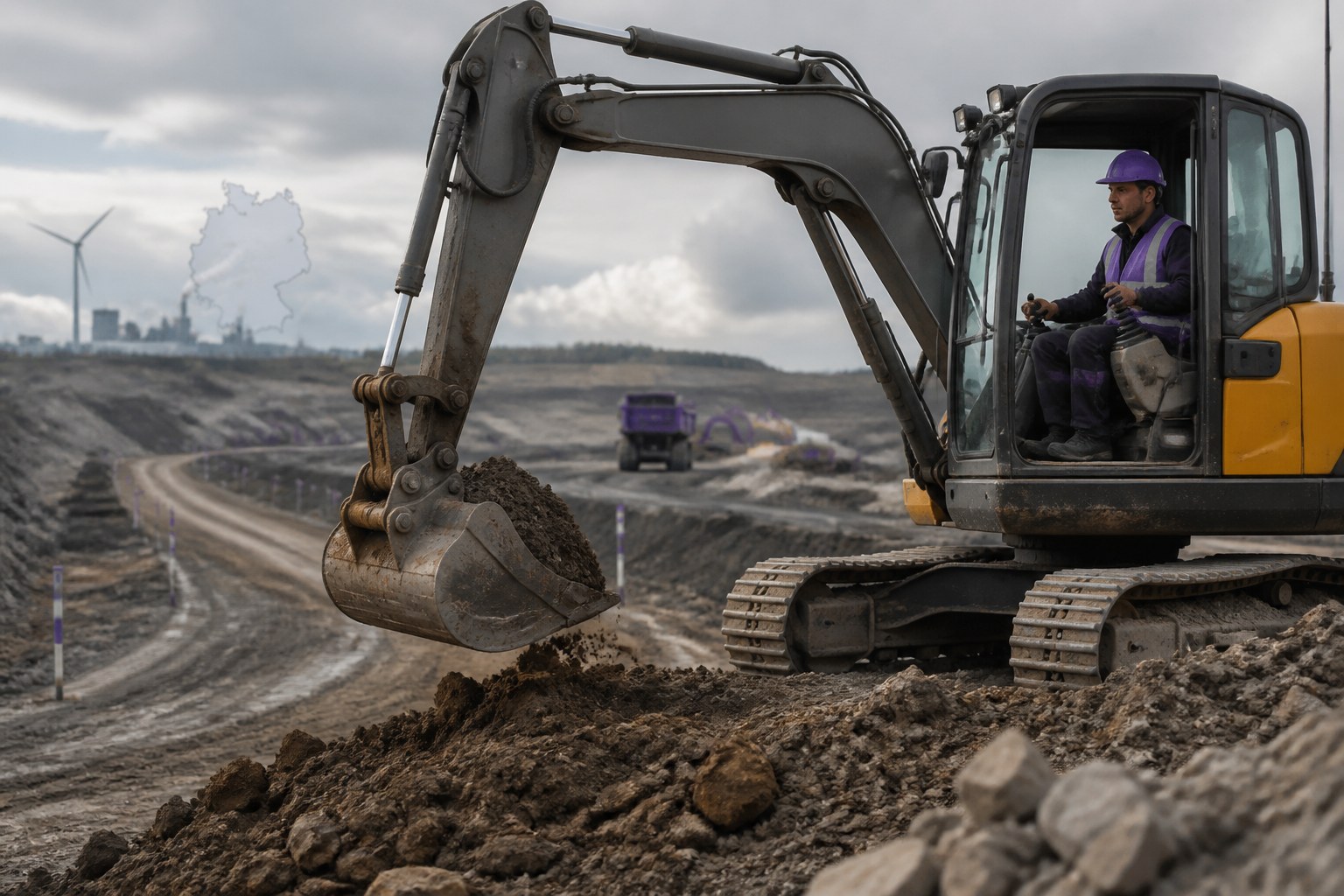
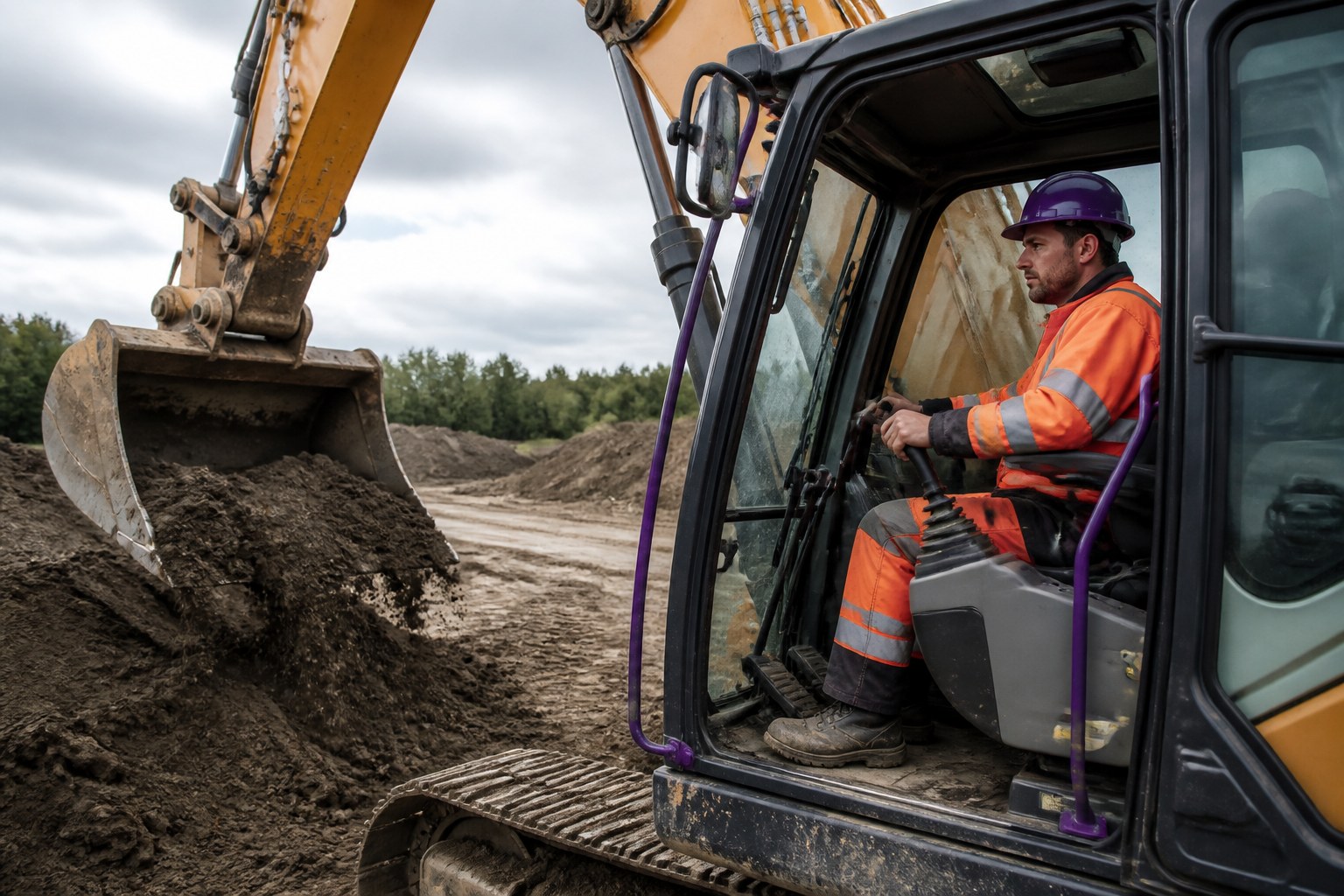
Construction equipment operators work with heavy machinery for earthmoving, excavation, loading, grading and other site activities. Their work requires precise control and careful attention to the construction surface, nearby structures, vehicles and people.
The role involves more than driving a machine. Operators prepare equipment, use the controls accurately, monitor machine performance and complete machine-based tasks according to site instructions. They coordinate movements with colleagues on the ground and respond to changing site conditions.
Duties depend on the machinery and construction activity. Excavators remove or move soil, loaders handle materials and support site logistics, and grading equipment creates the required surface profile. Your application should describe the tasks you performed rather than relying only on a broad job title.
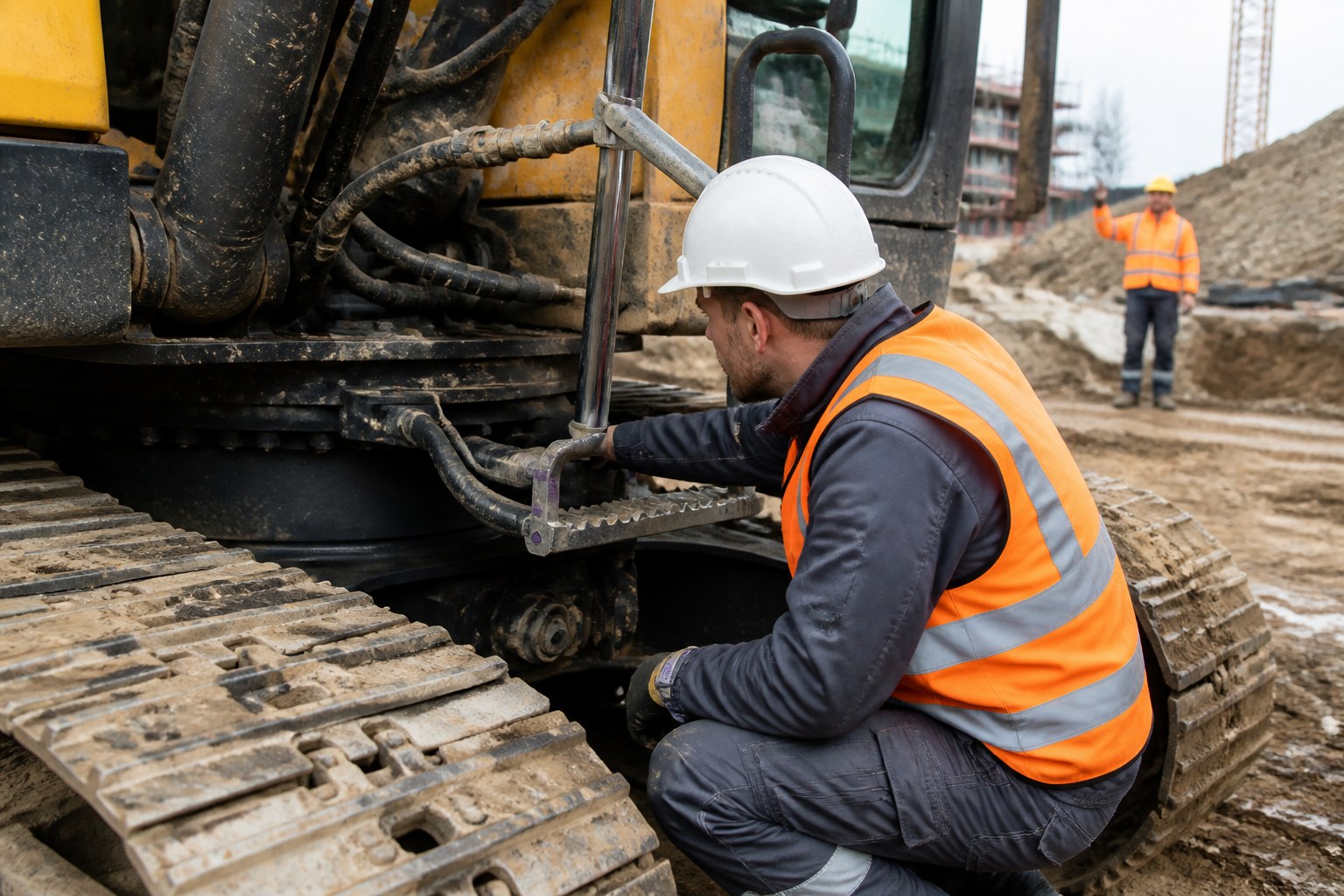
Pre-work checks are part of responsible operation. Operators inspect the visible condition of the machine, look for leaks or damage and report technical problems before they create a safety risk. They also check whether the working area is suitable and whether people, vehicles or obstacles are nearby.
Safety is central to the occupation. Operators follow instructions, observe restricted areas, react to signals and avoid actions that endanger workers or property. Reliable communication with supervisors, site teams and other operators supports safe and efficient work.
Construction sites often involve outdoor work, changing weather, uneven ground, noise, dust and demanding conditions. Applicants should present themselves as dependable professionals who combine practical machine experience with careful working methods and sustained concentration.
Which Experience and Skills Matter for Your Profile
A strong profile starts with practical experience. Show which types of construction machinery you operated, how long you worked with them and which tasks you completed. Specific descriptions are more useful than a general statement such as “experienced machine operator.”
Relevant experience includes earthmoving machinery, routine preparation before operation, careful positioning and controlled movements. Describe the work environment as well as the machine-related tasks. Experience in road construction, building sites, excavation projects or other construction work belongs in your employment history when it reflects your actual background.
State whether your work involved loading materials, digging trenches, preparing foundations, moving soil, levelling surfaces or supporting other site activities. Include the size or type of machinery only when you know the information accurately.
Reliability, safety awareness and the ability to follow technical and site instructions also matter. Operators work as part of a wider team, so cooperation is important alongside machine control. Your profile should show that you understand signals, site rules and the need to stop when conditions are unclear or unsafe.
Careful work includes protecting underground services, structures, materials and access routes when these are relevant to the task. Do not claim technical or safety responsibilities that you did not perform.
Do not list machinery that you have never operated. An accurate profile creates a credible basis for matching your experience with suitable employment opportunities throughout Germany and shows where additional familiarisation or workplace instruction is needed.
German Language Skills for Construction Site Work
German is an important part of a construction equipment operator’s candidate profile. Construction sites depend on short, clear communication about movements, access routes, hazards, work sequences and changes to the daily plan. Understanding instructions directly supports safe work.
Language skills also matter when communicating with colleagues on the ground, supervisors, delivery drivers and other workers near the machine. You need to understand expectations, ask questions when information is unclear and report technical or operational problems accurately.
There is no single language level that applies to every construction equipment operator activity. State your German ability honestly and clearly. If you have taken a language course or hold a certificate, include the level using a recognised framework such as A2, B1, B2 or C1 when it reflects your actual knowledge.
Continue improving occupational vocabulary before employment in Germany. Useful preparation includes words for machine parts, directions, distances, ground conditions, protective equipment, hazards and emergency communication. Combine general German with phrases used in construction work.
Listening comprehension deserves particular attention. Instructions on a busy site are often brief and delivered while machinery or vehicles are operating. Practise directions involving left and right, forward and backward movement, stopping, distance, access and danger areas. You also need to recognise an immediate stop instruction.
Use your application to distinguish between speaking, listening, reading and writing skills when this gives a more accurate description. A certificate supports your profile, but practical communication ability remains important. Include course records and certificates only when they belong to you and reflect your current knowledge.
Qualifications, Certificates and Work Evidence
Present every relevant qualification, course and certificate in a structured way. Include the training name, provider, completion date where available and practical content. Machine-related training deserves particular attention because it explains the scope of your preparation.
For each relevant position, state the employer, job title, employment period and main responsibilities. Name the machinery you operated and describe work such as excavation, loading, grading, material handling or site preparation only when it matches your actual experience.
References, employment certificates and other evidence strengthen your profile. Consistent dates and job descriptions across your CV and supporting documents make your professional history easier to assess.
Training records should show what you learned, not only the course title. A document identifying machine operation, safety procedures or practical instruction provides more useful information than an unexplained certificate. Keep original documents and prepare readable copies.
This article does not establish one specific legal certificate requirement for every construction equipment operator activity. Relevance depends on the machinery, duties and employment context. Never replace documented experience with a certificate that does not reflect your abilities.
If your documents use a different job title from the one used in Germany, describe the underlying duties clearly. Titles differ between countries, while practical work often provides the strongest basis for assessment.
Preparing Documents for an Application
Prepare a clear CV in English or German, depending on the application process. Focus on information relevant to construction equipment operation and make your professional history easy to follow.
Include personal details, employment history, education, training, language skills and relevant abilities. For every construction-related position, identify the employer, position, employment period, machinery and responsibilities. Avoid unexplained gaps and check that dates agree with certificates and references.
Collect education and training records, employment evidence, relevant certificates and language documentation. Important school, vocational and higher-education certificates may form part of an application. Documents in another language may require translation into German or English in a particular procedure. Whether a certified or other formal translation is required depends on that procedure.
A cover letter or motivation statement is useful when requested. Explain your practical experience, interest in working in Germany, German skills and openness to employment opportunities throughout Germany. An application photo is not a general requirement.
Use a consistent format for dates, employers and job titles. If you held several positions with the same company, show the separate periods and explain changes in responsibility. Check different spellings of your name and date formats carefully.
Digital files should be readable, complete and clearly named. Scan every page of certificates and employment evidence, including pages with stamps, signatures or duty descriptions. Keep originals, translations and copies in separate folders.
Construction Equipment Operator Application Preparation
Application area
What to prepare
Why it matters for your profile
Practical experience
List the machinery operated, employment periods, construction tasks and responsibilities.
Shows the scope of your real machine experience and supports accurate professional matching.
Qualifications and certificates
Collect training records, machine-related certificates, employment evidence and references.
Provides documented evidence of your preparation and practical background.
German language skills
State your actual level and include language certificates or course records where available.
Supports safe communication about instructions, hazards, machinery and daily site work.
Employment documents
Prepare a clear CV, relevant education records and translations where the relevant procedure requires them.
Makes your professional history easier to assess and reduces inconsistencies between documents.
Recognition of Foreign Qualifications
Recognition questions depend on whether a profession is regulated. Regulated professions are legally protected and generally require relevant professional recognition or a licence before practice in Germany. Non-regulated professions are not protected in the same way, and formal German recognition is not required on that basis.
The available facts do not classify every construction equipment operator activity as regulated or non-regulated. Exact duties and the legal context therefore require separate assessment. A general machine operator title does not produce one universal recognition result.
For a non-regulated profession, the absence of formal professional recognition does not automatically remove every qualification requirement connected with residence or employment. Recognition law and rules for working in Germany are separate areas. Qualification documents, work evidence and other records still need to be prepared for the relevant process.
If an official recognition procedure applies, the responsible authority compares the foreign qualification with the relevant German reference profession. With complete documents, the authority generally examines the submission within approximately three to four months. Possible results for non-regulated professions include full recognition, partial recognition or no recognition. Where substantial differences exist, an adjustment qualification or another prescribed measure addresses them in suitable cases.
The assessment focuses on the qualification and evidence submitted. Training content, duration, practical components and professional experience therefore require careful documentation. A job title alone does not explain the scope of training.
Prepare translations and supporting records in the required format. Missing pages, unclear scans or inconsistent dates delay assessment because additional information is needed. Keep copies of every submission.
Recognition of a qualification and proof of practical experience are separate parts of a professional profile. Your employment history still needs to show the machines and duties you handled.
Working Conditions to Understand Before Employment
Before starting employment, read the contract carefully. It should identify the contracting parties, start date, any fixed term, probationary period, workplace, duties, working hours, pay, holiday entitlement and notice periods.
The workplace description matters because construction equipment operators work at operational sites rather than at one permanent desk. Check that the workplace and duties correspond with the work discussed during the employment process.
Pay is normally stated as a gross amount. Taxes and social-security contributions are deducted according to individual circumstances, so the net payment is not identical to the agreed gross pay. Do not estimate your monthly budget from gross pay alone.
A contract or applicable collective agreement may contain additional rules on pay, working hours, holiday or supplements. The availability of allowances or bonuses depends on the employment relationship and applicable arrangements. Review these details together with basic pay rather than treating additional payments as guaranteed income.
Review how travel between sites, access to the workplace, accommodation and equipment responsibility are described when these matters form part of the employment relationship. Do not rely on informal promises absent from written arrangements.
Ask for clarification about the machinery, reporting responsibilities and handling of operational problems. A clear understanding prevents confusion about whether your role focuses on one machine, several types or broader site duties.
When comparing financial terms, consider gross pay, deductions and unavoidable living costs together. Rent, deposits, transport and other expenses affect the amount available after arrival in Germany.
Working Time and Paid Holiday in Germany
The Working Time Act provides that working time generally must not exceed eight hours per working day. An extension to up to ten hours is permitted when the average does not exceed eight hours per working day within six calendar months or 24 weeks. This limit is not the same as the regular weekly working time agreed in a contract.
Construction work requires attention to working-time records, breaks and site instructions. Read the contractual provisions and understand how the employer records working hours. The practical schedule depends on the employment relationship and work performed.
Employees in Germany have a statutory entitlement to paid annual leave. The statutory minimum is 24 working days calculated on a six-day week, corresponding to 20 working days on a five-day week. A contract or collective agreement may provide more paid holiday.
Holiday entitlement is only one part of working conditions. Also review working hours, workplace, duties, notice periods and applicable collective or workplace arrangements.
Daily schedules reflect weather, delivery sequences, site access and project stage. These factors do not replace contractual rules on working time. Understand how breaks and additional hours are documented.
Paid holiday differs from days when work does not take place for another reason. Public holidays, illness and temporary interruptions follow different rules and should not be treated as annual holiday without checking the applicable information.
How to Prepare for Construction Work Across Germany
Applicants using East Talent apply for employment in their occupational group rather than for a named vacancy or specific employer. The application presents your professional profile so that suitable employment opportunities in Germany are assessed against your experience and documents.
You therefore need to remain open to opportunities throughout Germany. Do not build your preparation around one city or preferred region. Construction projects and employment opportunities exist in different parts of the country, and geographic flexibility gives your profile a broader basis for consideration.
Prepare to explain the machinery you operate, tasks performed, safety experience, training and German skills. Accurate information distinguishes experience with different equipment and prevents misunderstandings about your abilities.
Keep documents organised and ensure that your CV, certificates and employment evidence tell the same story. If records are not in German or English, identify which require translation for the relevant procedure.
Geographic flexibility also affects practical planning. Construction work takes place in changing project environments, so consider travel, accommodation and daily transport when discussing employment conditions. Do not present one preferred location as the only acceptable outcome if you want consideration throughout Germany.
Prepare a short explanation of your strongest machine experience. State the equipment, typical tasks, length of experience and site conditions. Be ready to discuss documents needed for qualification assessment and employment preparation.
A Practical Checklist Before You Apply
Start by updating your CV. Add every relevant construction position, employment dates, machinery operated and main responsibilities. Use consistent job titles and explain tasks in practical terms.
Collect training records, machine-related certificates, employment evidence and references. Check names, dates and translations. Where a document does not describe your duties clearly, prepare an accurate explanation based on your work history.
State your German skills honestly and include language certificates or course records where available. Review vocabulary connected with instructions, safety, machinery and site communication. Your information should match your real speaking, listening, reading and writing ability.
Review the complete application for consistency. Machinery experience, qualifications, employment history and language information should form one coherent professional profile. Remain open to employment opportunities throughout Germany.
Before submission, check that every file opens correctly and includes all pages. Compare CV dates with employment certificates and training records. Prepare a short list of the machines you operated most confidently and the tasks completed with each one.
Apply now: Apply for jobs in Germany through our application form.
Create your profile
Registration with East Talent
Four short steps. A CV is optional and can be provided in your native language.
Step 1 of 4Profession
East Talent
International recruitment with proprietary software
East Talent combines international recruitment with structured digital processes for handling candidate profiles, attracting employers and evaluating job opportunities.