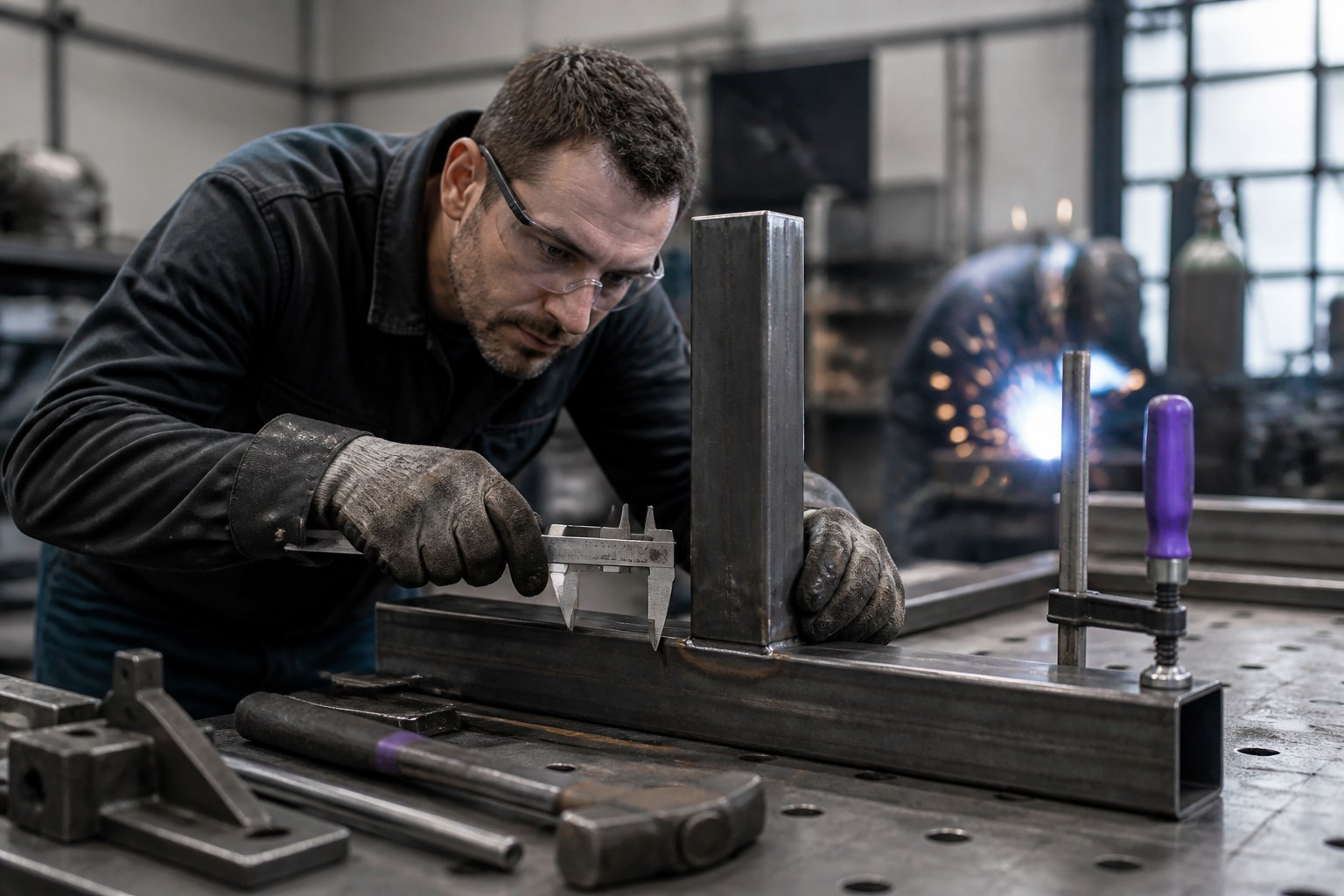
Metalworking jobs in Germany involve practical work with metal components, tools, machinery and technical production processes. Depending on your occupational profile, your responsibilities may include preparing materials, measuring, cutting, forming, welding, machining, assembling or finishing metal parts. Some roles focus on one process, while others combine several production stages.
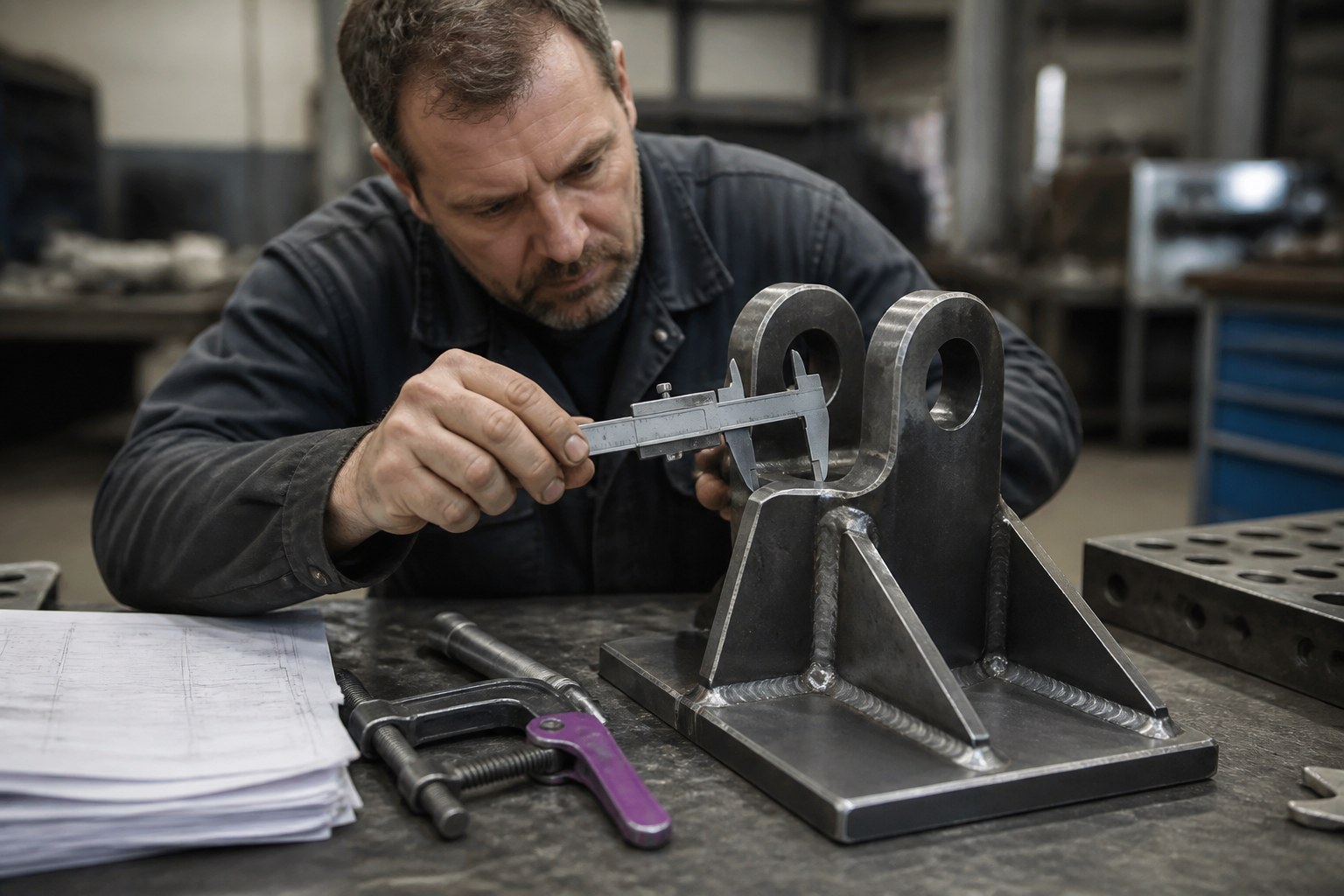
Precision is central to this work. Metalworkers read technical information, follow measurements and specifications, check dimensions and identify defects before a component moves forward. Quality awareness matters alongside speed because errors in measurement, preparation or assembly affect the fit, function and safety of the finished component.
The working environment may be industrial or craft-based. Metalworkers cooperate with colleagues in production, machining, welding, assembly, maintenance and quality control. Safe working practices are essential when using machinery, tools, heat, electricity, compressed air or protective equipment. The work requires concentration, physical coordination and the ability to follow an organised production sequence.
Your professional profile depends on your training and experience. Applicants with experience as welders, machinists, metal fabrication workers, industrial mechanics or related skilled workers should describe their duties precisely. Explain whether you prepared materials, operated machines, assembled components, repaired equipment, performed inspections or completed work independently.
This distinction clarifies your level of responsibility. A person who operated a computer-controlled machine has a different profile from someone who mainly performed manual fabrication, even when both use the general title metalworker. Your application should reflect the work you actually performed, the equipment you used and the results for which you were responsible.
Skills and Qualifications Employers Review
For metalworking opportunities, companies review vocational preparation, practical experience, technical understanding and documented work history. Completed vocational training is relevant where it forms part of your background, but practical experience also needs a clear description. Training certificates alone do not show which tasks you perform confidently in production.
Show which materials, tools, machines and methods you have used. State whether your experience involves welding, machining, fabrication, assembly, maintenance, surface treatment, measurement or quality inspection. Mention the type of metal, the purpose of the component and the production stage when this information is accurate and relevant.
Technical understanding includes reading drawings, measurements, work instructions and other technical information. Employers also review reliable tool use, careful preparation, attention to tolerances and consistent quality awareness. Describe the measuring instruments you used, how you checked your work and whether you worked from technical drawings or written instructions.
Safety is part of professional competence. Explain the protective equipment, machinery and safety procedures you used when relevant. Do not claim experience with equipment or processes you have not actually used. Accurate information provides a reliable basis for assessing your suitability.
List employers, positions, employment periods and main responsibilities consistently. This information helps East Talent assess your qualifications and experience for suitable metalworking opportunities in Germany. Include additional training or changes in responsibility where they explain how your skills developed.
Practical reliability also matters. Describe situations in which you prepared work independently, corrected defects, followed production instructions or coordinated with colleagues. These details show how your technical skills function in an actual workplace.
Metalworking Requirements at a Glance
The following overview helps you prepare an accurate candidate profile. It does not establish a universal mandatory threshold for every metalworking opportunity. The relevance of each item depends on your occupational background and the type of metalworking work for which you are considered.
Use the overview as a preparation checklist rather than adding skills without evidence. Your documents should distinguish between experience you use independently, experience gained under supervision and methods you encountered only briefly. This gives the assessment a realistic picture of your professional level.
A complete profile connects technical experience with communication and documentation. A candidate who identifies machines, materials, duties and language skills clearly is easier to assess than one who submits only a general job title. Prepare this information before sending your initiative application.
How Foreign Qualifications Relate to Metalworking Work
German law distinguishes between regulated and non-regulated occupations. Regulated occupations are legally protected, so professional practice requires the relevant recognition or licence. Non-regulated occupations are not subject to the same formal recognition requirement. The correct assessment depends on the exact occupational profile, not only on the broad description “metalworker.”
Many vocational occupations in Germany’s dual training system are non-regulated. Metalworking-related profiles often belong to this group, but classification depends on the exact occupation. Your certificate, curriculum and work history should show which profession you learned and practised.
Recognition compares a foreign qualification with a corresponding German reference occupation. The responsible authority examines the documents and determines whether the qualifications are equivalent or whether substantial differences exist. For non-regulated occupations, the result may be full recognition, partial recognition or no recognition. The assessment concerns the documented qualification and does not replace a clear description of practical experience.
When substantial differences are identified, an adaptation qualification or another designated qualification measure addresses those differences where applicable. Not every metalworking applicant automatically needs recognition before working. Professional recognition and related to working in Germany qualification requirements are separate questions and require individual review.
Complete documents are important when starting a recognition procedure. Keep certificates, employment evidence and translations organised. Certificates should identify the qualification clearly, while employment records should explain the practical duties connected with it.
If original documents use different job titles or terminology, add a factual explanation in your CV. Do not translate a title into a stronger qualification than the original supports. Explain the curriculum, duration, practical training and later work experience accurately.
German Language Skills for Metalworkers
German supports safe communication in metalworking environments. You need to understand instructions, warnings, technical explanations and workplace coordination. Language also supports communication about measurements, defects, production steps, tools and quality requirements.
Language ability is part of your candidate profile. There is no single universal German-language threshold stated here for all metalworking opportunities. The relevant level depends on the work environment, your responsibilities and the communication required for the occupational profile. Practical understanding of technical information matters alongside any certificate.
Document your German skills accurately. You may use Common European Framework of Reference levels such as A2, B1, B2 or C1 when they reflect your knowledge. A certificate provides supporting evidence, while practical ability to understand and communicate technical information remains important. Explain both the certificate and your current learning experience if your skills developed through work.
Continue improving technical vocabulary before applying. Learn German terms for tools, materials, machines, measurements, protective equipment and production activities. Practise explaining a work sequence, reporting a defect and asking for clarification about an instruction.
Language skills do not replace technical competence, and technical competence does not replace safe communication. Both form part of your professional profile. State your current level clearly so East Talent can assess your preparation.
Metalworker Application Preparation Overview
Preparation area
What to document
Why it matters for your application
Training and qualifications
Vocational training, certificates and relevant additional courses
Shows the formal preparation behind your occupational profile
Practical metalworking experience
Employers, positions, employment periods, materials, tools and main duties
Makes your professional history traceable and helps assess your practical competence
Technical and safety knowledge
Machines, technical drawings, measurements, quality checks and protective procedures used
Demonstrates technical understanding and responsible working practices
German language skills
Your current level and available language certificates, using CEFR levels where applicable
Shows your preparation for instructions, technical communication and teamwork
Application documents
CV, certificates, employment evidence and relevant translations
Provides the evidence needed to review your qualifications and experience
Documents to Prepare Before Applying
Prepare a structured CV with your contact details, education, vocational training, employment history, language skills and relevant technical abilities. Identify employers, positions, employment periods and responsibilities. Use reverse chronological order or another consistent format so your career development is easy to follow.
Add vocational certificates and relevant school or higher-education certificates. Include additional training related to welding, machining, technical drawing, quality control, machinery operation or workplace safety. Describe a course according to its actual scope rather than presenting single-process training as broad professional preparation.
Language evidence helps East Talent understand your communication profile. List your German level and provide certificates where available. If you learned technical German through professional experience, describe that experience honestly. Other languages belong in the CV when they support workplace communication but do not replace an accurate description of German preparation.
Foreign-language certificates may require translation into German or English in a particular procedure. Whether a certified or formalised translation is required depends on the relevant procedure. Keep original documents and translations together, and check that names, dates, qualification titles and document numbers correspond.
Organise digital copies with clear file names and consistent dates. Check that names, employment periods and job titles match across your CV, certificates and employment records. Scan every page, including pages with seals, signatures or explanatory information.
Prepare additional evidence where it genuinely exists, such as employment references, practical training records, course certificates and documents describing machinery experience. Do not create substitute documents or alter translations. Reliable evidence is more useful than a large file containing unsupported claims.
Applying for Metalworking Opportunities Through East Talent
East Talent accepts initiative applications from candidates seeking employment in their occupational group in Germany. At this stage, you do not apply for a named vacancy or specific employer. You submit your professional profile for assessment within the metalworking field, including qualifications, experience, language skills and supporting documents.
East Talent reviews your vocational qualifications, practical experience, German language skills and documents. Suitable candidates are considered for presentation to matching companies in Germany. Complete and accurate information makes your profile easier to assess and reduces clarification about your training and work history.
Describe your work in terms another professional understands. State the materials, tools, machinery and processes you know, the tasks you performed independently and your team responsibilities. Explain quality checks and safety duties where they formed part of your work. If you used several machines, list them separately and indicate the period or context of use.
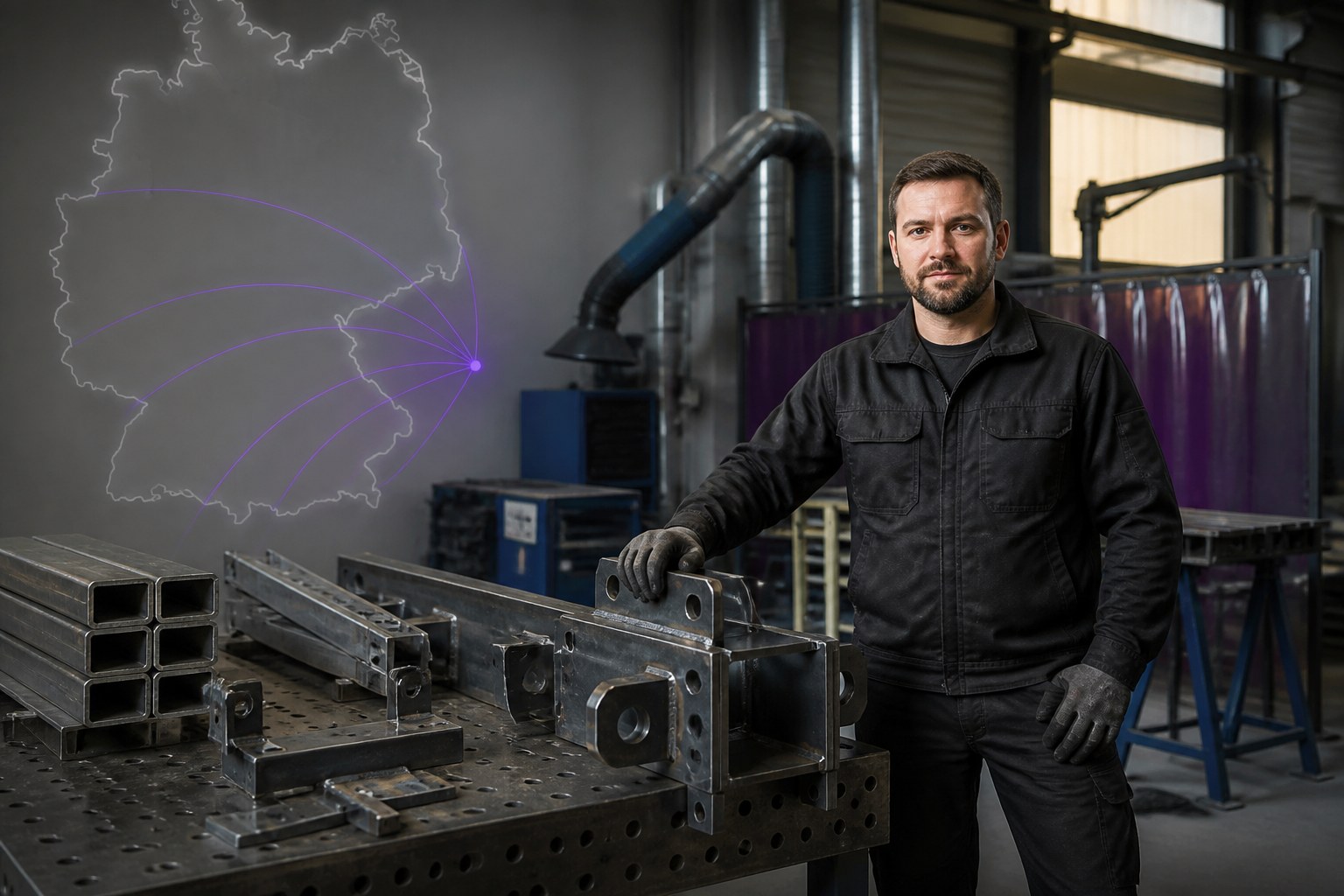
Applicants must remain open to employment opportunities throughout Germany. An initiative application does not promise a particular city, company, workplace or employment condition. Openness to different locations gives your profile a broader basis for consideration and should inform planning for transport, accommodation and relocation.
Submit information reflecting your current position. If you are improving German, state your current level and the course or learning activity you are completing. Identify a pending certificate as pending rather than completed. Clear status information supports an accurate review.
Employment Conditions to Review Carefully
Before accepting employment, read the contract carefully. It should identify the contracting parties, start date, workplace, duties and main employment conditions. It should also state whether the contract is fixed-term and include information about any probationary period. Confirm that the job title and duties correspond with the professional discussion before signing.
Review working time, holiday entitlement and notice periods. Contractual conditions may also be affected by collective or workplace agreements. Shift work, weekend work, overtime arrangements and working-time records deserve particular attention when they apply.
Check whether remuneration is stated as gross or net pay. Gross pay is the amount before deductions. Taxes and social insurance contributions reduce the amount paid out, and the exact net amount depends on your individual circumstances.
Additional payments such as supplements or bonuses depend on the employment relationship and applicable rules. Treat them as guaranteed only when clearly documented. Ask how supplements are calculated, when they are paid and whether they depend on particular working times or conditions.
Ask for clarification before signing if a term is unclear. Understand the parties, duties, workplace, working time, remuneration and termination conditions. Keep a copy of the signed contract and referenced agreements.
Relocation makes this review especially important because changing employers or returning home involves time and expense. Compare documented conditions with your plans, including transport, accommodation and household costs. Gross salary alone does not show the full financial effect of employment in Germany.
Preparing for Work and Relocation in Germany
Relocation requires more than a professional profile. Keep personal and professional documents complete, plan daily life realistically and prepare to explain your skills in German or another agreed communication language. Organise documents, review technical vocabulary and understand the practical steps involved in establishing a household.
Applicants must be ready to work in different parts of Germany. Do not base planning on an assumed placement in one city. The employment environment is nationwide, so geographical flexibility is part of a realistic application strategy. Consider transport, accommodation and distance from the workplace without assuming that one preferred location determines the outcome.
Financial planning should include the costs of establishing a household. Rent, deposits, transport and other living costs affect the amount available after relocation. Compare expected income with these expenses using the gross-to-net distinction. Initial costs often arise before the first full payment, so include one-time and continuing expenses.
Prepare practical answers about your previous metalworking duties. Explain the machinery you operated, materials you handled, measurements you used, safety procedures you followed and quality standards you applied. Practise describing one complete process from material preparation to final inspection.
Prepare questions about duties, working time, shifts, location, protective equipment and training or familiarisation when employment details are discussed. This helps you compare the opportunity with your skills and relocation plans without relying on assumptions.
Adaptation to a new workplace involves technical and social communication. Follow established safety procedures, ask for clarification when an instruction is unclear and report problems promptly. Production methods, documentation and routines differ between companies, so a careful and open approach supports safe integration.
Next Steps for Metalworker Applicants
Start by defining your occupational profile. Identify your training, specialist experience, preferred metalworking activities, machinery knowledge and strongest technical skills. Separate welding, machining, fabrication, assembly, maintenance and inspection experience so each area is easy to understand.
Organise evidence of your training and experience. Prepare your CV, certificates, employment records, language evidence and relevant translations. Check dates and job descriptions throughout your documents. Rename digital files clearly and ensure that no page is missing or difficult to read.
Clarify whether recognition is relevant to your occupational profile and keep recognition separate from related to working in Germany questions. Where an assessment is required, submit complete and accurate documents to the responsible authority. The exact reference occupation matters, so do not rely only on the broad word “metalworker.”
Then submit your initiative application to East Talent. The application concerns employment in your occupational group, not a named vacancy or specific employer. Remain open to suitable opportunities throughout Germany and provide complete information about your qualifications, experience and German skills.
Before submitting, check that your application answers five questions: What did you learn? Where and how long did you work? Which materials, machines and processes did you use? How well do you communicate in German? Which documents support your statements?
Keep your information up to date after applying. Inform East Talent when your German level changes, when you complete technical training or when your employment history changes.
Apply now. Apply for jobs in Germany through our application form.
Create your profile
Registration with East Talent
Four short steps. A CV is optional and can be provided in your native language.
Step 1 of 4Profession
East Talent
International recruitment with proprietary software
East Talent combines international recruitment with structured digital processes for handling candidate profiles, attracting employers and evaluating job opportunities.