What Lift and Elevator Technicians Need for Germany
Lift and elevator technicians work with complex mechanical, electrical and control systems. Their activities include installation, inspection, maintenance, troubleshooting and repair of lifting equipment. Safe working practices, accurate fault diagnosis and reliable documentation are central to this occupational group.
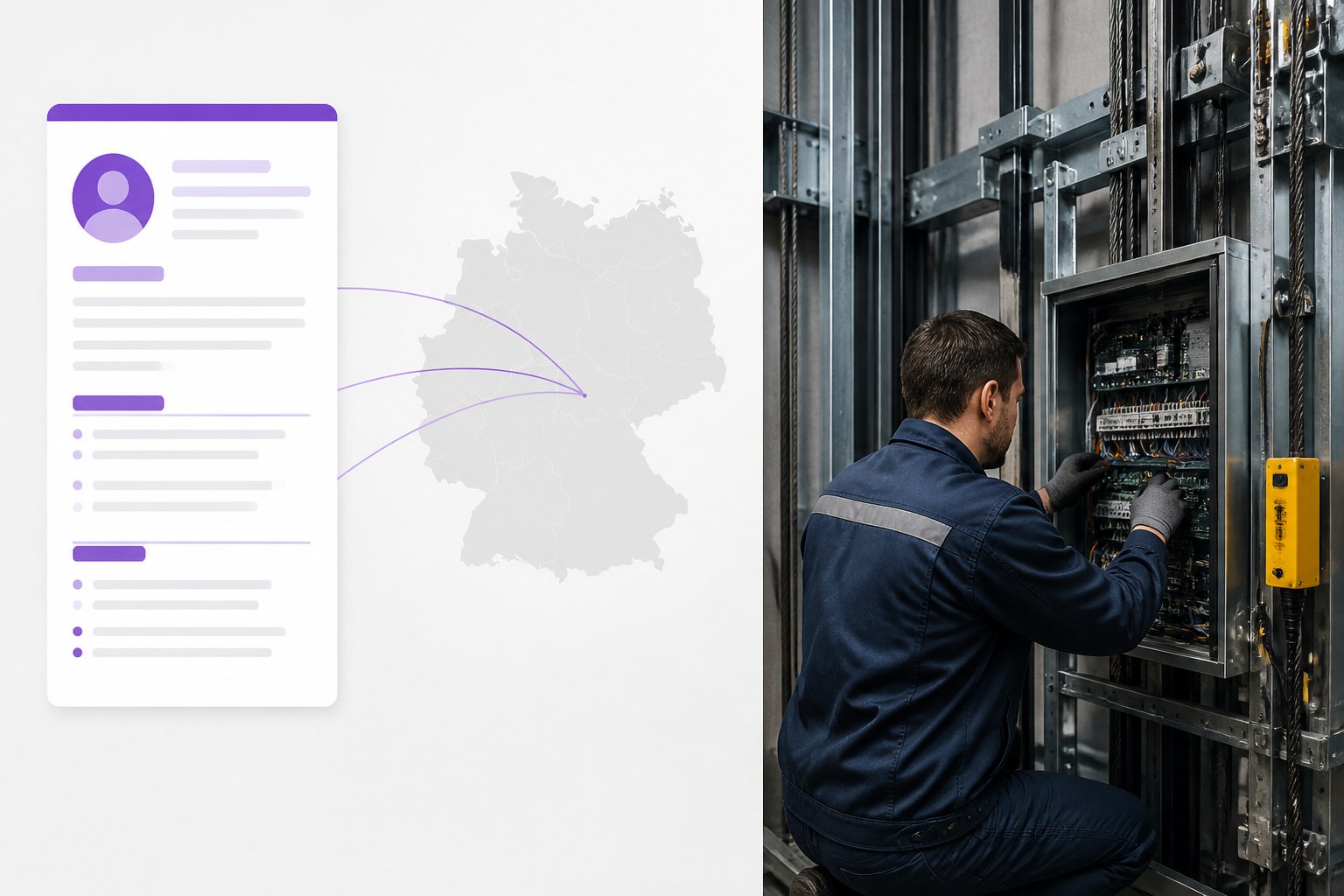
If you are applying for employment opportunities in Germany, your candidate profile should present more than a job title. It should show your technical education, practical experience, understanding of elevator systems, ability to work with tools and measuring equipment, and readiness to communicate in German at work.
East Talent does not recruit candidates for one named vacancy or one named employer on this page. You apply proactively for employment opportunities in your occupational group. Your profile is assessed through your qualifications, professional history, German skills and supporting documents before suitable companies in Germany are considered.
Applicants must remain open to employment opportunities throughout Germany. A transferable profile therefore matters: your documents should describe the systems you have worked on, the responsibilities you have carried and the environments in which you performed technical work.
Qualifications and Practical Experience
There is no single qualification stated in the available facts that applies to every lift and elevator technician position. Your application should therefore describe the qualification you hold and explain how it relates to elevator technology, electrical engineering, mechanical systems, industrial maintenance or a comparable technical field.
Important information includes the name of your vocational training or technical education, the institution, the completion date and the subjects or systems covered. Add certificates for further training in areas such as control technology, electrical safety, hydraulics, mechanics, fault diagnosis or equipment maintenance when these form part of your professional background.
Professional experience should be concrete. List each employer, your position, the period of employment and your main responsibilities. Explain whether you installed new equipment, carried out scheduled maintenance, responded to faults, replaced components, tested systems or prepared service documentation.
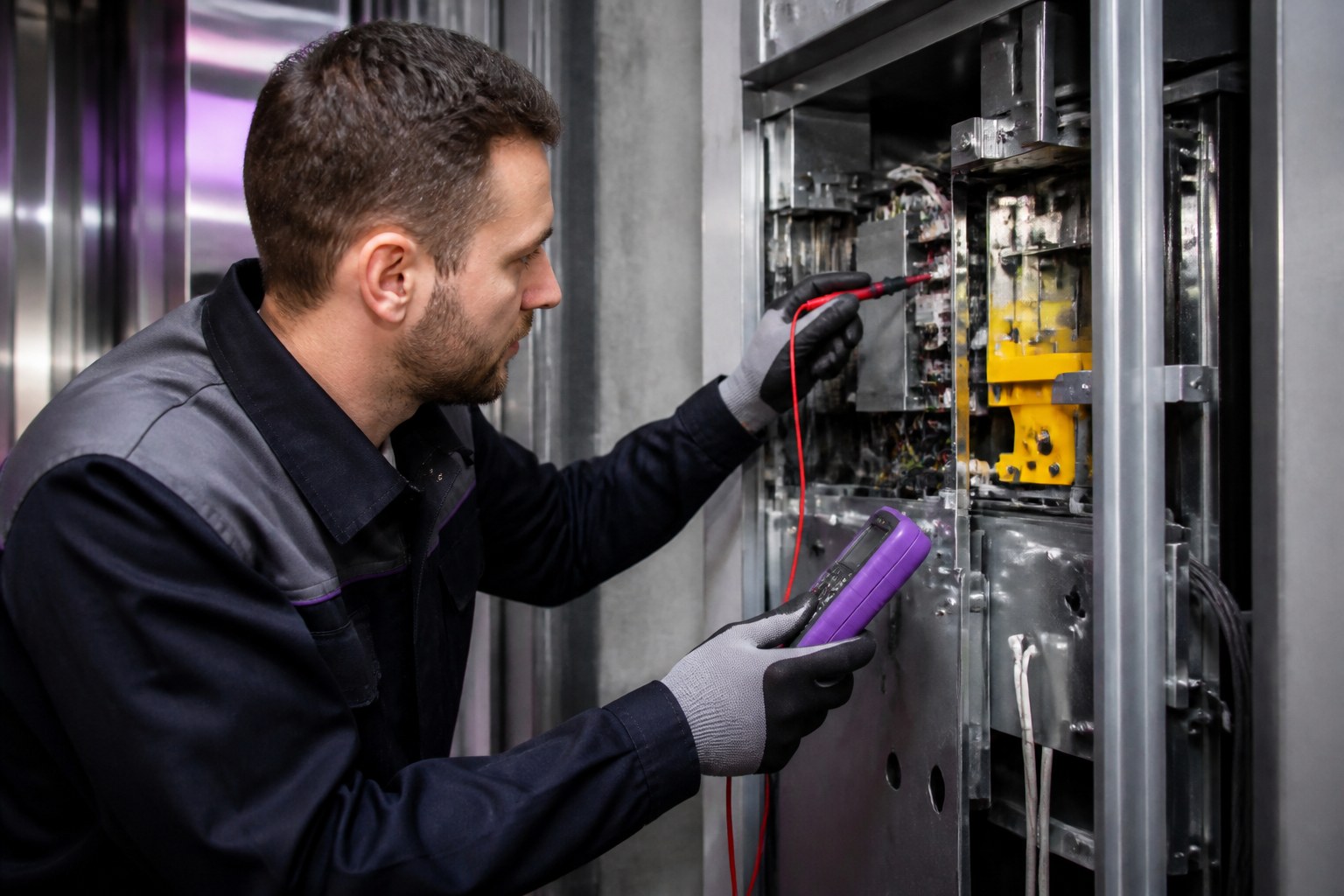
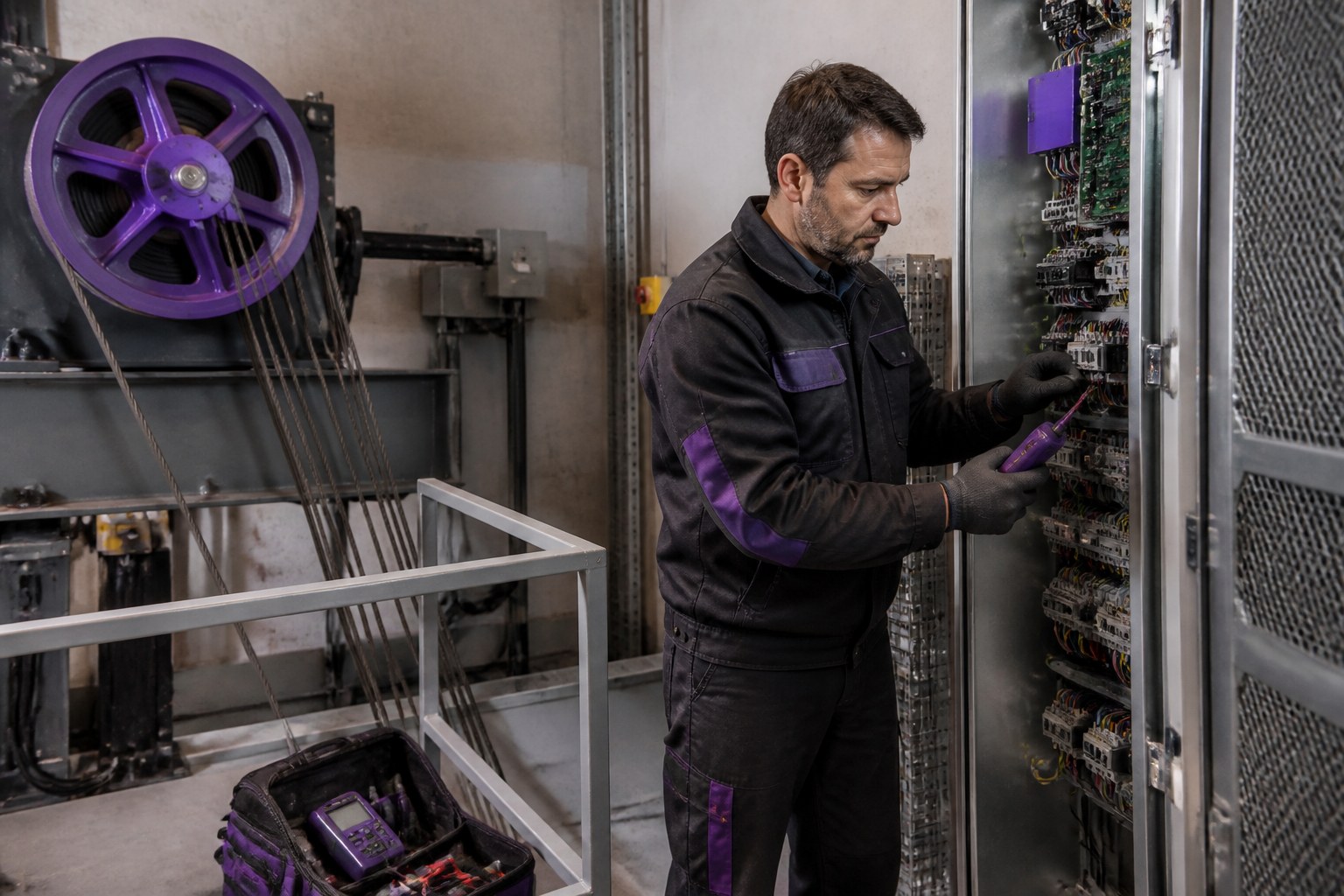
Your technical profile becomes stronger when it identifies the equipment and work methods you know. Describe experience with control cabinets, wiring, motors, drives, sensors, safety circuits, mechanical components and diagnostic instruments only when you have actually worked with them. Do not use broad technical terms without explaining your practical responsibility.
Safety-related work requires careful procedures and clear reporting. Present examples of how you followed technical instructions, documented findings, coordinated work with other trades or communicated a repair status. These details help reviewers understand the level of independence and responsibility behind your previous job titles.
Recognition of Foreign Qualifications
Professional recognition and residence or employment requirements are separate questions. Recognition examines whether a foreign professional qualification is equivalent to a corresponding German reference profession or whether substantial differences exist. A residence authority examines separate legal conditions.
Regulated and non-regulated professions are treated differently. Regulated professions require the recognition or professional authorisation needed to practise the protected profession or activity. Non-regulated professions are not protected in the same way. Many occupations from the German dual vocational system belong to the non-regulated category.
A non-regulated profession does not automatically remove the need for qualification evidence in a residence procedure. You should therefore keep your certificates, training records and employment evidence available even when a German professional licence is not required for the occupational activity.
The competent authority assesses the documents submitted with the recognition application. The result may establish full recognition, partial recognition or no recognition for a non-regulated profession. Where substantial differences exist, an adjustment qualification or another prescribed qualification measure addresses those differences in the relevant case.
Prepare documents in a consistent form. Differences between names, dates, job titles and employment periods create avoidable questions. If certificates are issued in another language, a translation into German or English is relevant in some procedures. Whether a certified or otherwise formal translation is required depends on the procedure and is not a universal rule.
German Skills for Technical Work
German is an important part of a lift and elevator technician profile because technical work depends on precise communication. You need to understand instructions, safety information, maintenance records and fault descriptions. You also need to explain technical findings to colleagues, supervisors, customers or other trades working on the same equipment.
Language skills are particularly relevant when work involves safety procedures, access instructions, service reports or coordination during installation and repair. A technician who describes a fault clearly reduces misunderstandings and supports an orderly handover.
The available facts do not establish one fixed German level for every lift and elevator technician opportunity. State your language skills honestly and, where available, use a recognised Common European Framework of Reference level such as A2, B1, B2 or C1. Also describe practical use: conversations at work, reading technical instructions, writing reports and communicating about safety.
Improving German before employment supports both workplace integration and technical reliability. Focus on vocabulary for electrical and mechanical systems, tools, measurements, components, warnings, maintenance steps and fault diagnosis. Your application should distinguish German skills from other languages and identify any certificates you hold.
Documents to Prepare for Your Application
A complete application file gives reviewers a reliable picture of your professional background. Prepare a clear CV, certificates for education and vocational training, evidence of work experience, information about German skills and documents for relevant additional qualifications.
Your CV should include personal details, education, professional history, language skills and relevant technical abilities. Present work experience in reverse chronological order or another clear structure that makes your development easy to follow. Each position should include the employer, job title, employment period and responsibilities.
Avoid listing only company names and job titles. Explain the type of elevator or lifting equipment, the technical tasks you performed and the degree of responsibility you held. State whether your work focused on installation, service, maintenance, repair, testing, commissioning or troubleshooting.
Include important school, vocational and higher-education certificates. Add training records and technical certificates that support your stated skills. If a document is not available, identify the gap rather than presenting an unverified qualification.
A cover letter or motivation letter is often part of an application process, although the exact documents required depend on the procedure. A concise letter should explain your occupational focus, experience with elevator technology, German skills and readiness to work in Germany.
Lift and Elevator Technician Application Preparation Overview
Preparation area
What to provide
Why it matters for your application
Technical qualification
Vocational or technical education, relevant certificates and additional technical training
Shows the formal basis of your technical profile and supports assessment of your professional background
Professional experience
Employers, positions, employment periods, equipment and responsibilities
Demonstrates what you have actually installed, maintained, tested, repaired or diagnosed
German language information
Language level or certificate plus practical communication abilities
Shows how you understand instructions, discuss safety and document technical work
Certificates and supporting documents
Education records, training certificates, employment evidence and relevant translations
Creates a consistent file for application review and, where relevant, recognition procedures
Employment and requirements for working in Germany Are Separate
Your suitability for lift and elevator technician work, the recognition status of your qualification and the legal conditions for residence are separate matters. A strong technical profile does not itself establish a residence decision. Conversely, a requirements for employment in Germany does not replace evidence of professional competence.
The correct assessment depends on your personal situation, the nature of your qualification, the occupational activity and the applicable legal rules. Do not rely on general statements about another profession or another applicant. Keep the technical application file and any documents required for residence procedures organised as separate but consistent records.
The recognition process examines equivalence or substantial differences in a foreign professional qualification. Residence procedures address different questions. This distinction matters when you plan your next steps: qualification documents support the professional assessment, while residence documents address the legal basis for living and working in Germany.
Do not present recognition as an automatic outcome. Submit complete and accurate documents and follow the instructions of the competent authority responsible for the relevant procedure.
What to Check in an Employment Contract
Before accepting an employment relationship, read the contract carefully. It should identify the contracting parties, the start date, the work activity and workplace. It should also state whether the contract is fixed-term, whether a probationary period applies, and which notice periods govern the relationship.
Check how remuneration is described. Gross pay is the amount agreed before deductions. Net pay is the amount remaining after taxes and social-security contributions according to your personal circumstances. These amounts are not identical, and a net figure cannot be calculated reliably from gross pay alone without the relevant personal information.
The contract should also address working time, holiday entitlement and the duties connected with the position. Read descriptions of installation, service, maintenance, travel, on-call work or emergency response carefully when they appear in the contract or related documents. Additional payments, bonuses or supplements depend on the employment relationship and applicable rules.
Collective agreements and works agreements may add provisions on remuneration, working time or holiday. Ask for any documents that form part of the employment relationship and keep a complete copy of the signed contract.
Working Conditions and Legal Basics
German employment law provides a statutory minimum entitlement to paid annual leave. The Federal Holiday Act defines 24 working days on the basis of a six-day working week. For a five-day working week, this corresponds to 20 working days. An employment contract or collective agreement may provide more leave.
Working-time limits and contractual working hours are different concepts. Under Section 3 of the Working Time Act, the working day generally must not exceed eight hours. An extension to up to ten hours is permitted when the average does not exceed eight hours per working day within the specified reference period.
The statutory maximum is not the same as the regular weekly hours agreed in a contract. Your contract, applicable collective agreement and actual work schedule provide the information about normal working time. For technicians, travel, preparation, documentation and service-related duties deserve careful attention when you review the working-time arrangement.
Social insurance in Germany includes health, long-term care, pension, accident and unemployment insurance. In a job subject to social insurance contributions, registration is generally handled through the employer. The exact deductions from gross pay depend on your individual tax and social-insurance circumstances.
How to Prepare for Opportunities Across Germany
Applicants who apply through East Talent are not applying for one named vacancy or one named employer. They present themselves for employment opportunities in the lift and elevator technician occupational group. Suitable candidates may later be introduced to matching companies in Germany.
You must therefore remain open to employment opportunities throughout Germany rather than limiting your profile to one preferred city or region. This does not remove the importance of personal planning. It means that your application should communicate your professional strengths clearly enough to be considered for different technical environments.
A complete profile supports this wider consideration. Include the systems you know, the tasks you perform independently, the certificates you hold, your experience with documentation and your German communication skills. State any restrictions or preferences honestly, while recognising that geographic flexibility forms part of the candidate model.
Before applying, check that your CV, certificates and employment evidence tell the same story. Dates, job titles and responsibilities should be consistent across the documents. If your professional experience covers several technical areas, explain how each area relates to lift and elevator work.
A Practical Application Checklist
Use the following checklist before submitting your profile:
Confirm that your CV names your technical education, professional experience, language skills and relevant abilities.
Add certificates for vocational training, education, safety instruction and technical further training that support your occupational profile.
Describe every relevant job with the employer, position, employment period and main responsibilities.
Explain your experience with elevator systems, control equipment, electrical and mechanical components, maintenance, installation, testing or fault diagnosis only where this reflects your actual work.
Record your German skills accurately, including any Common European Framework of Reference level or language certificate. Describe your ability to understand instructions, communicate about safety and prepare technical documentation.
Prepare translations where they are relevant to the procedure. Do not assume that every document requires a certified translation; confirm the applicable requirement for the specific process.
Keep identity and application documents complete and consistent. Missing pages, unclear scans and conflicting dates delay the assessment of your profile.
Remain ready to discuss employment opportunities throughout Germany. Your technical profile, documents and geographic openness together determine how clearly your application represents you.
Four short steps. A CV is optional and can be provided in your native language.
Step 1 of 4Profession
East Talent
International recruitment with proprietary software
East Talent combines international recruitment with structured digital processes for handling candidate profiles, attracting employers and evaluating job opportunities.