Dairy technologists work at the intersection of food science, production and quality management. Their professional focus includes the processing of milk and dairy products, the monitoring of production procedures, hygiene control and technical documentation.
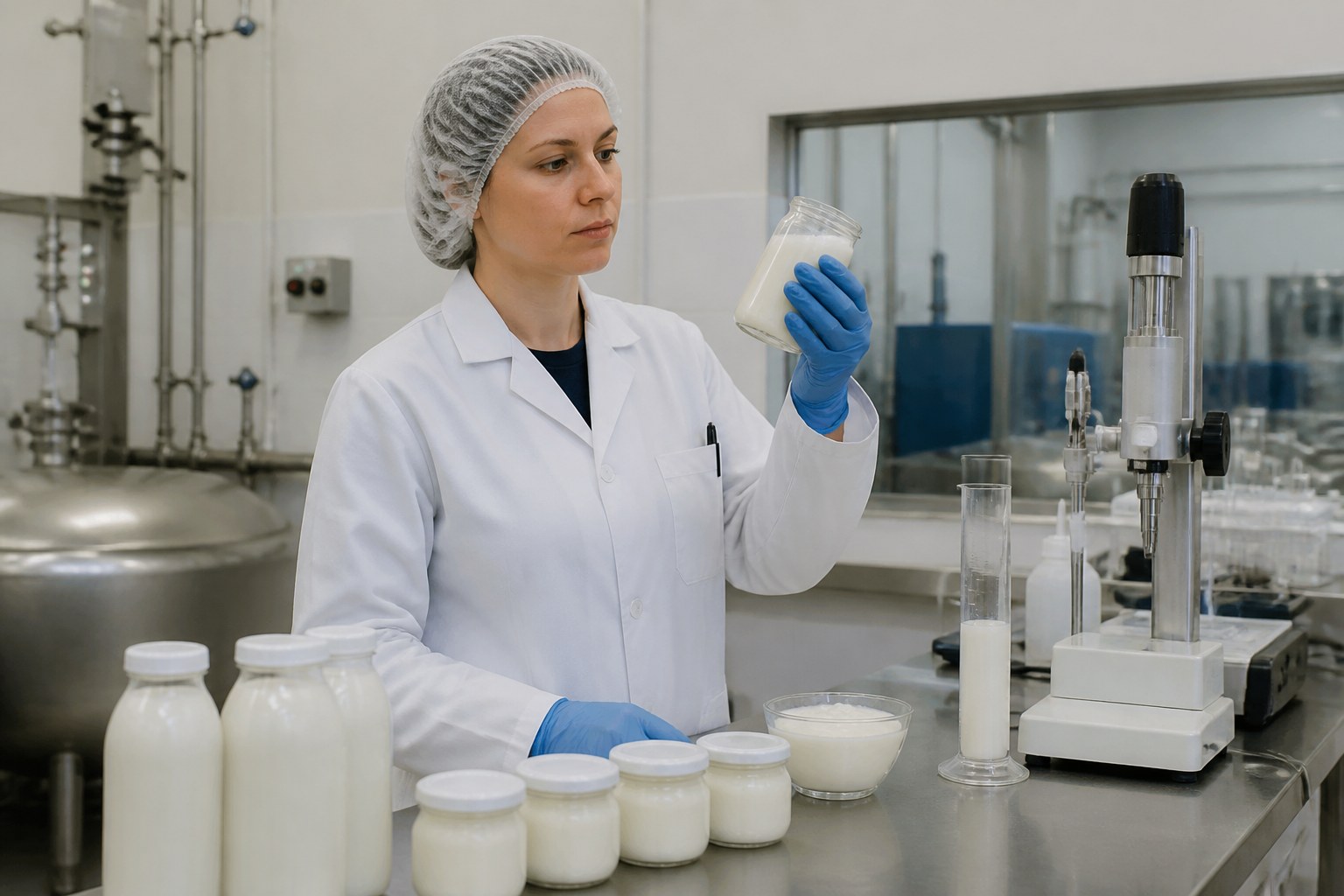
Typical areas of responsibility include checking raw materials, observing processing parameters, examining product samples and recording quality results. Dairy technologists also contribute to consistent product quality by identifying deviations and communicating relevant information to production, laboratory and quality teams.
The work takes place in food-processing facilities, production areas, laboratories and quality departments. Depending on the professional setting, the role combines practical work near processing equipment with analytical, documentary and coordination tasks.
For applicants, a clear description of previous dairy technology experience is important. Your profile should show which products, processes, testing procedures and documentation systems you have handled. Describe only responsibilities that your certificates, references or work history support.
Which Qualifications Matter for This Career
Relevant education or vocational training forms the foundation of a dairy technologist profile. Suitable backgrounds include dairy technology, food technology, dairy science or a related technical discipline. The exact academic or vocational route differs between countries, so your application should explain the content and level of your qualification clearly.
Practical experience strengthens an application, particularly experience in dairy production, food processing, laboratory work or quality assurance. Explain the connection between your training and your practical responsibilities rather than listing job titles without context.
Your professional history should identify the products and processes you know. Examples include milk-based products, fermented products, cheese, butter or other dairy categories, but you should mention only product areas that form part of your documented experience.
Experience with production monitoring, sampling, laboratory analysis, hygiene procedures and quality records is relevant because these activities connect technical knowledge with daily food-processing work. If you have supervised colleagues, coordinated a production stage or trained staff, state this separately from your technical duties.
Foreign qualifications require careful documentation. Certificates, transcripts, course descriptions and employment evidence help explain what you learned and how you applied it. Recognition and requirements for working in Germany are separate questions, so preparation for one procedure does not automatically settle the other.
Technical Skills Employers Assess in Dairy Technologists
A strong dairy technologist profile combines knowledge of dairy products with process discipline. Relevant technical knowledge includes the properties of milk, changes during processing, product characteristics and the factors that affect safety, consistency and shelf life.
Process knowledge includes monitoring production stages, checking operating conditions and recognizing deviations. Applicants should name the processing systems, machinery or control procedures they have used when those details are documented in their employment history.
Quality work requires accurate sampling, observation, measurement and recording. Laboratory responsibilities may include examining raw materials or finished products, maintaining test records and reporting results. Do not claim responsibility for analytical methods unless your training or experience supports the statement.
Hygiene and food safety are central to dairy processing. Your profile should demonstrate familiarity with hygiene instructions, cleaning requirements, protective clothing, contamination prevention and safe handling procedures. The practical importance of each topic depends on the work environment, but these areas are fundamental to professional food production.
Technical documentation also matters. Production records, quality reports, deviation records and internal instructions must be complete and understandable. Employers assess whether a candidate works precisely, follows procedures and communicates problems before they affect product quality.
Safe work practices form part of the technical profile. Explain your experience with equipment, production areas, laboratory instruments and workplace procedures in a factual way. A concise description of your actual responsibilities is more valuable than a long list of unsupported skills.
Why German Skills Matter in Dairy Processing
German language ability forms part of your candidate profile because dairy technologists work with production instructions, hygiene procedures, safety information and quality documentation. Accurate understanding matters when instructions affect product safety, equipment use or workplace conduct.
Communication also takes place between production, laboratory and quality teams. You need to describe observations, report deviations and understand questions about samples, processes and records. The ability to communicate technical information clearly supports safe and reliable work.
Do not present an unsupported language level in your application. Record your actual German knowledge and, where available, document it using a recognized framework such as A2, B1, B2 or C1. Also describe practical communication experience if you have worked in a German-speaking environment.
Language preparation should continue alongside technical preparation. Learn vocabulary connected with dairy products, production stages, hygiene, measurements, equipment, safety and quality records. This helps you explain your experience during professional discussions and understand workplace documentation.
How to Prepare Foreign Qualifications for Germany
Recognition examines how a foreign professional qualification compares with the relevant German reference qualification. The competent authority reviews the submitted documents and assesses whether the training is equivalent or whether substantial differences exist.
Dairy technology does not automatically receive the same legal treatment as every other food-related occupation. Before relying on a recognition result, identify the relevant reference occupation and the competent authority for your qualification. Recognition rules and requirements for working in Germany remain separate issues.
For non-regulated professions, recognition results include full recognition, partial recognition or no recognition. Where substantial differences exist, an adaptation qualification or another approved qualification measure addresses the identified gaps in the relevant case.
Complete documents support an efficient procedure. Prepare certificates, transcripts, course information and evidence of professional experience. Foreign-language documents may require translation into German or English depending on the procedure. Whether a certified or otherwise formal translation is required depends on the responsible procedure and should not be assumed in advance.
The recognition process does not replace a professional application. A recognition decision explains the relationship between qualifications; your CV and supporting evidence explain what you have actually done in production, laboratory and quality work.
Dairy technology, food technology, dairy science or a related technical education or vocational qualification
Shows the formal foundation of your professional profile and supports comparison with a relevant German reference qualification
Dairy technology experience
Products, production stages, laboratory tasks, quality checks, hygiene work, equipment and documentation
Connects your qualification with practical responsibilities in dairy and food processing
German language skills
Actual language knowledge, certificates where available and technical communication experience
Shows your ability to understand instructions, safety information, quality records and workplace communication
Recognition documents
Certificates, transcripts, course information, employment evidence and required translations
Gives the competent authority and reviewers the information needed to assess your qualification
Application documents
Structured CV, education certificates, employment references and relevant technical qualifications
Creates a consistent and verifiable overview of your experience and preparation for work in Germany
Documents for a Dairy Technologist Application
Prepare a structured CV that presents your professional history in a clear sequence. Include your education, vocational training, employment history, technical responsibilities, language knowledge and relevant additional qualifications.
Describe employment with the employer name, position, dates and main duties. For dairy technology experience, identify product categories, production stages, laboratory tasks, quality responsibilities, equipment and documentation systems where these details are accurate and documented.
Education and training certificates show the formal basis of your profile. Include relevant school, vocational and higher-education documents, as well as certificates for technical, hygiene, laboratory or quality-related training. Organize the files so that the relationship between each certificate and the information in your CV is easy to understand.
Employment references or other evidence of experience help confirm your practical background. Documents should state your position, employment period and responsibilities where possible. If a document is unavailable, explain the situation honestly rather than replacing it with an unsupported claim.
Record your German and other language skills accurately. A language certificate provides formal evidence, while a short description of workplace communication experience adds practical context. A photograph is not a general application requirement.
An application may also include a cover letter or motivation letter, depending on the process. Use it to explain your professional focus, relevant dairy experience, qualifications and readiness to work in Germany. Do not present yourself as applying for a specific vacancy when you are submitting an initiative application through East Talent.
Working Conditions in Dairy Production
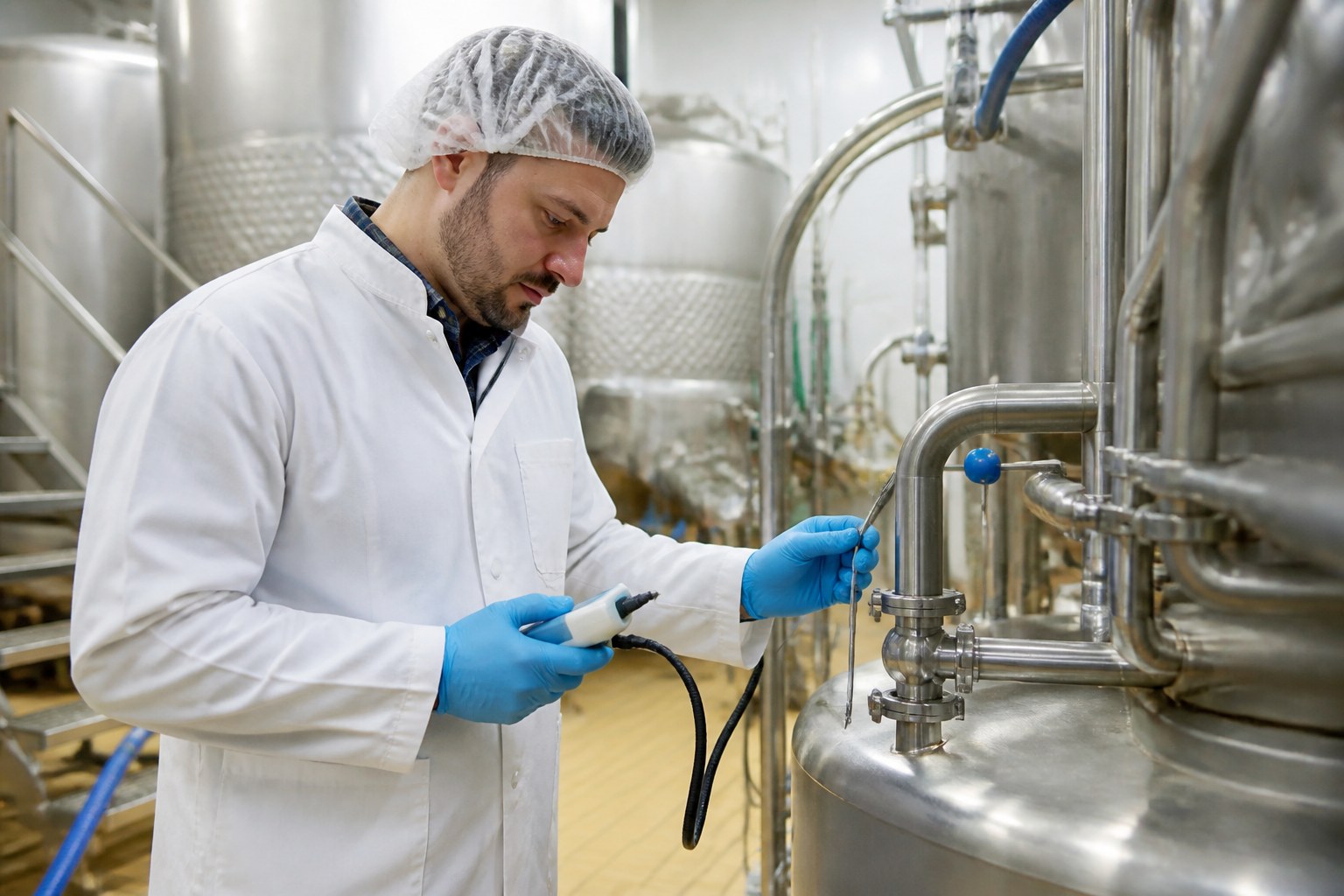
Dairy technologists work in environments designed for food production and quality control. These include processing areas with stainless-steel tanks and pipework, laboratories for product testing, quality departments and other food-processing facilities.
Hygiene rules shape daily work. Protective clothing, controlled handling procedures, cleaning instructions and restrictions on contamination are practical parts of the professional environment. Applicants should be ready to explain how they followed comparable procedures in previous roles.
Production work requires attention to equipment, process conditions and records. A technologist may move between production areas and laboratory or quality functions, depending on the responsibilities assigned in the employment relationship. The physical environment is different from a purely office-based technical role.
Production schedules and working-time arrangements differ between employment relationships. Shift-related production realities, working hours, workplace location, duties and protective-equipment rules are conditions to examine before accepting employment. Do not assume that every dairy-processing workplace uses the same schedule.
The employment contract should provide the binding information about the parties, workplace, duties, working time, pay, leave and other conditions. Compare those details with your professional goals and practical requirements before making a decision.
How to Present Your Dairy Technology Experience
An initiative application should make your professional profile easy to assess. Start with the type of qualification you hold, then connect it to practical experience in dairy production, food technology, laboratory work or quality assurance.
Describe product areas and production systems precisely. State whether your experience involved raw-material checks, processing, sampling, laboratory analysis, hygiene monitoring, quality release, deviation handling or technical documentation. Include equipment knowledge when it is relevant and supported by your work history.
Show the level of responsibility you held. Team coordination, staff training, production-stage responsibility and communication with quality departments are useful details when they accurately describe your role. Avoid replacing evidence with broad claims such as “expert in all dairy processes.”
Use measurable scope only when it is documented. This includes the number of production stages, product groups, laboratory methods, team members or quality records for which you were responsible. Unsupported figures weaken credibility.
Your application should also state your German knowledge and identify the documents available for review. If recognition questions remain open, list the qualification documents and explain which information still requires clarification.
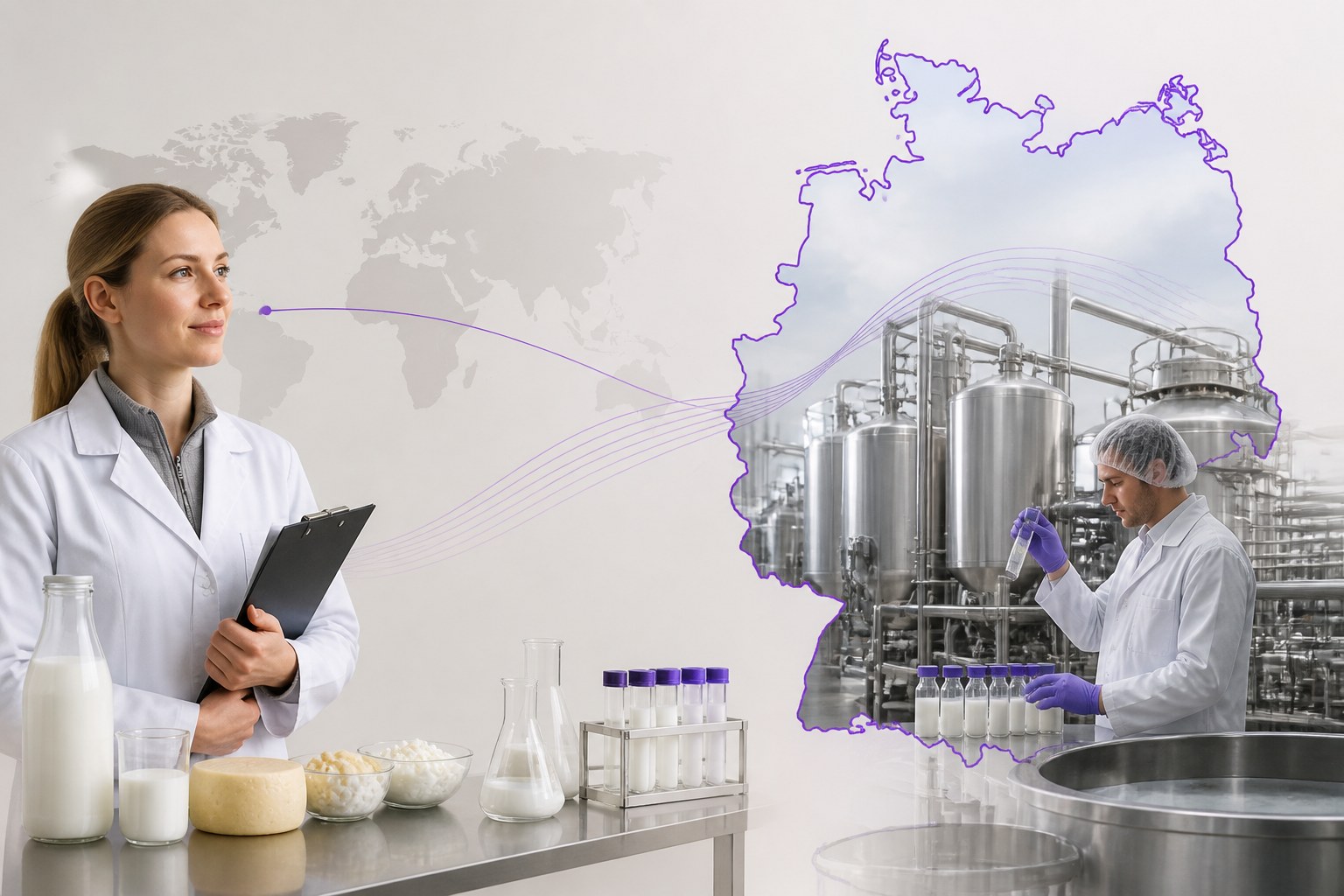
East Talent candidate applications are not applications for one named position or one named employer. Applicants must remain open to employment opportunities throughout Germany. Geographic flexibility gives your professional profile a wider basis for consideration and avoids limiting the assessment to one preferred location.
What to Check in a German Employment Contract
Before accepting employment, review the contract parties and confirm which company becomes your contractual employer. The document should also state the start date, any fixed term, the probationary period, workplace, duties, remuneration, working time, leave and notice periods.
Pay attention to the difference between gross and net pay. Gross pay is the agreed amount before deductions. Taxes and social insurance contributions reduce the amount paid out, and the resulting net amount depends on your individual circumstances.
Check whether the contract refers to collective agreements or workplace agreements. These arrangements may contain additional provisions concerning pay, working time or leave. Any allowances, bonuses or supplements should be identified with their conditions rather than treated as guaranteed income without written confirmation.
The workplace and duties should match the professional information presented during the application process. For dairy technologists, compare the stated duties with your experience in production, laboratory work, quality control, hygiene and documentation.
Working time deserves careful attention when production operates across different periods of the day. Review the contractual arrangement, applicable rules and any information about shift work. Do not calculate your expected net income from gross pay alone, especially when relocation costs, rent, deposits, travel and other living costs affect the amount available after moving to Germany.
A Practical Checklist Before Applying
Begin by documenting your education and professional experience. Gather certificates, transcripts, employment references and evidence of technical training. Ensure that the dates and job titles in your CV match the supporting documents.
Next, describe your dairy technology skills in practical terms. Identify products, production processes, laboratory responsibilities, hygiene procedures, quality checks, equipment and documentation tasks. Separate direct experience from general knowledge gained during training.
Record your German language knowledge accurately and prepare to discuss technical topics in German. Organize translations of foreign-language documents where the relevant procedure requires German or English versions. Keep recognition questions separate from residence questions and verify each issue through the responsible procedure.
Review your expectations for the working environment. Production areas, laboratories, quality departments, protective clothing, working time and possible shift-related arrangements all affect daily work. Remain open to employment opportunities throughout Germany rather than limiting your application to one city.
Finally, check every document before submission. A complete and consistent application helps reviewers understand your qualification, experience and readiness for dairy technologist work in Germany.
Apply now: Apply for jobs in Germany through our application form.
Create your profile
Registration with East Talent
Four short steps. A CV is optional and can be provided in your native language.
Step 1 of 4Profession
East Talent
International recruitment with proprietary software
East Talent combines international recruitment with structured digital processes for handling candidate profiles, attracting employers and evaluating job opportunities.