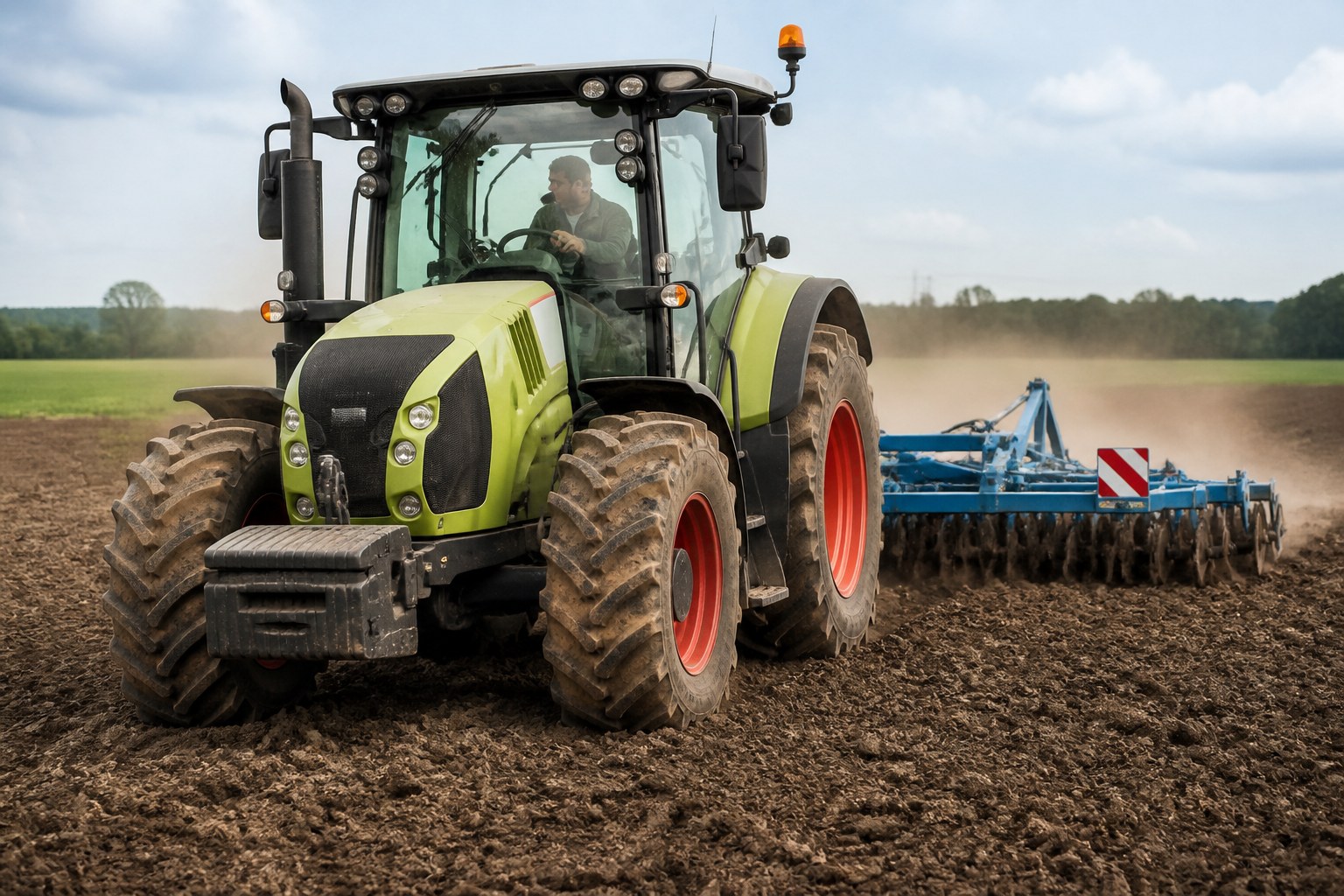
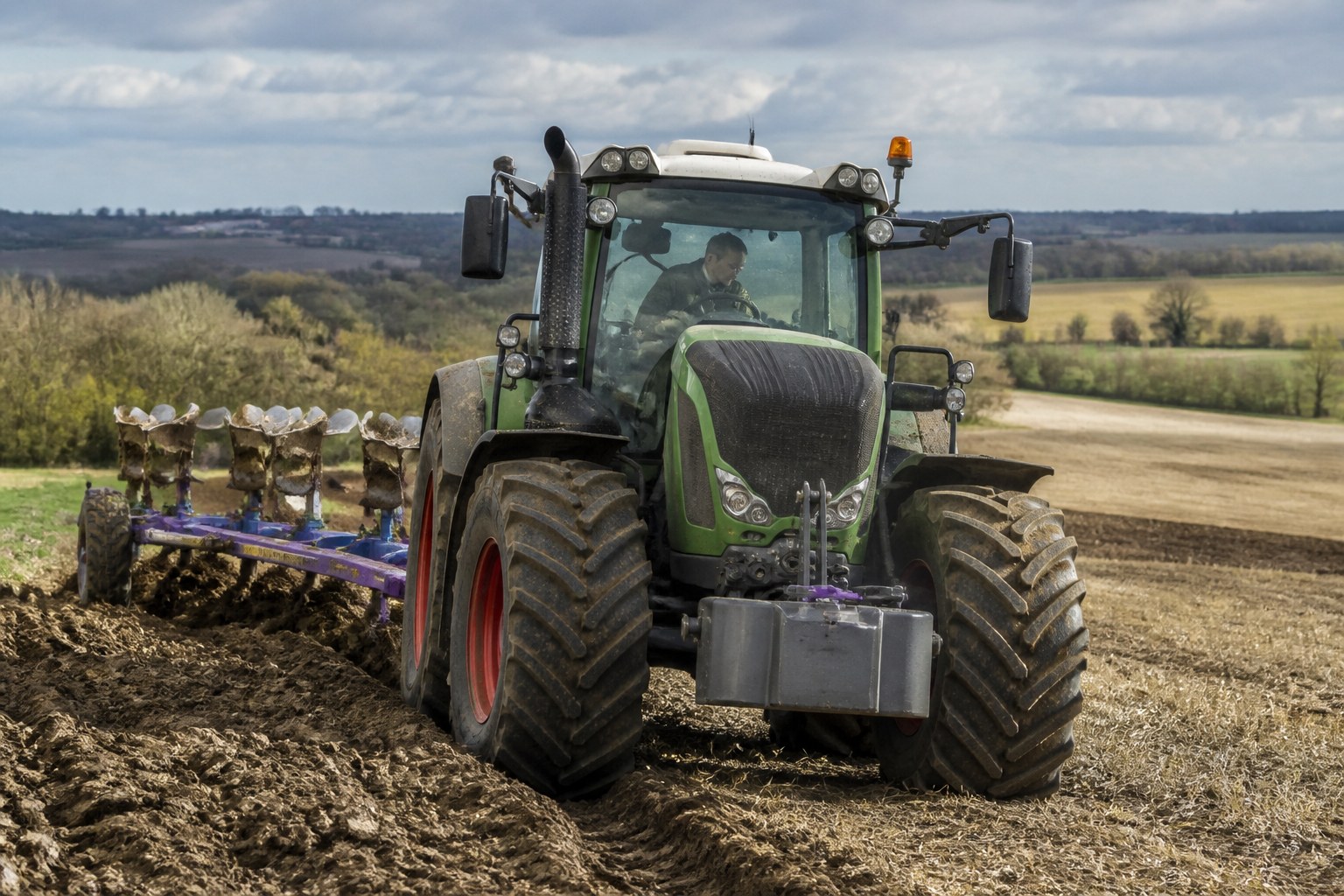
Tractor driver jobs in Germany involve operating agricultural tractors and attached machinery during fieldwork, transport and other farming activities. The work takes place outdoors and requires responsible handling of powerful equipment, materials and working areas.
Typical tasks include preparing fields, cultivating soil, sowing, spreading materials, transporting agricultural goods and supporting harvesting operations. The exact combination of duties depends on the agricultural activity and machinery used.
As a candidate, you apply proactively for employment in the tractor driver and agricultural machinery operator professional group. You do not apply for a named position or a specific employer at this stage. Your profile is assessed according to your qualifications, experience, German skills and documents before suitable employment opportunities are considered.
You must remain open to employment opportunities throughout Germany. Limiting your application to one preferred town or region reduces the scope of possible opportunities and does not reflect the nationwide orientation of this candidate application.
The occupation combines technical responsibility with physical agricultural work. A tractor driver selects suitable equipment, prepares the machine, observes the working area and adapts operations to soil, weather and instructions from the farm team.
Describe your previous experience in practical terms. Explain whether you worked independently, followed daily work plans, coordinated several operations or supported other agricultural workers during busy periods. These details show how your experience transfers to agricultural employment in Germany.
Typical Duties of a Tractor Driver
A tractor driver works with agricultural vehicles and implements in changing outdoor conditions. The role combines machine operation with practical knowledge of soil preparation, crop work, transport and safe movement around an active agricultural site.
Common duties include operating tractors with attached equipment, preparing fields and carrying out agricultural transport. Equipment may include implements for cultivation, sowing, fertilising, mowing or other farm operations. Describe machinery you actually operated rather than equipment you only observed.
Routine checks are an important part of responsible machine operation. Before work begins, drivers inspect visible mechanical conditions, attached implements, controls, tyres, lighting and other safety-related features. A tractor driver also reports defects and follows instructions for safe use and maintenance.
The work takes place around other people, vehicles, animals, materials and machinery. Safe positioning, careful manoeuvring and clear communication are therefore part of the professional profile. Explain experience working independently and coordinating activities with farm managers or colleagues.
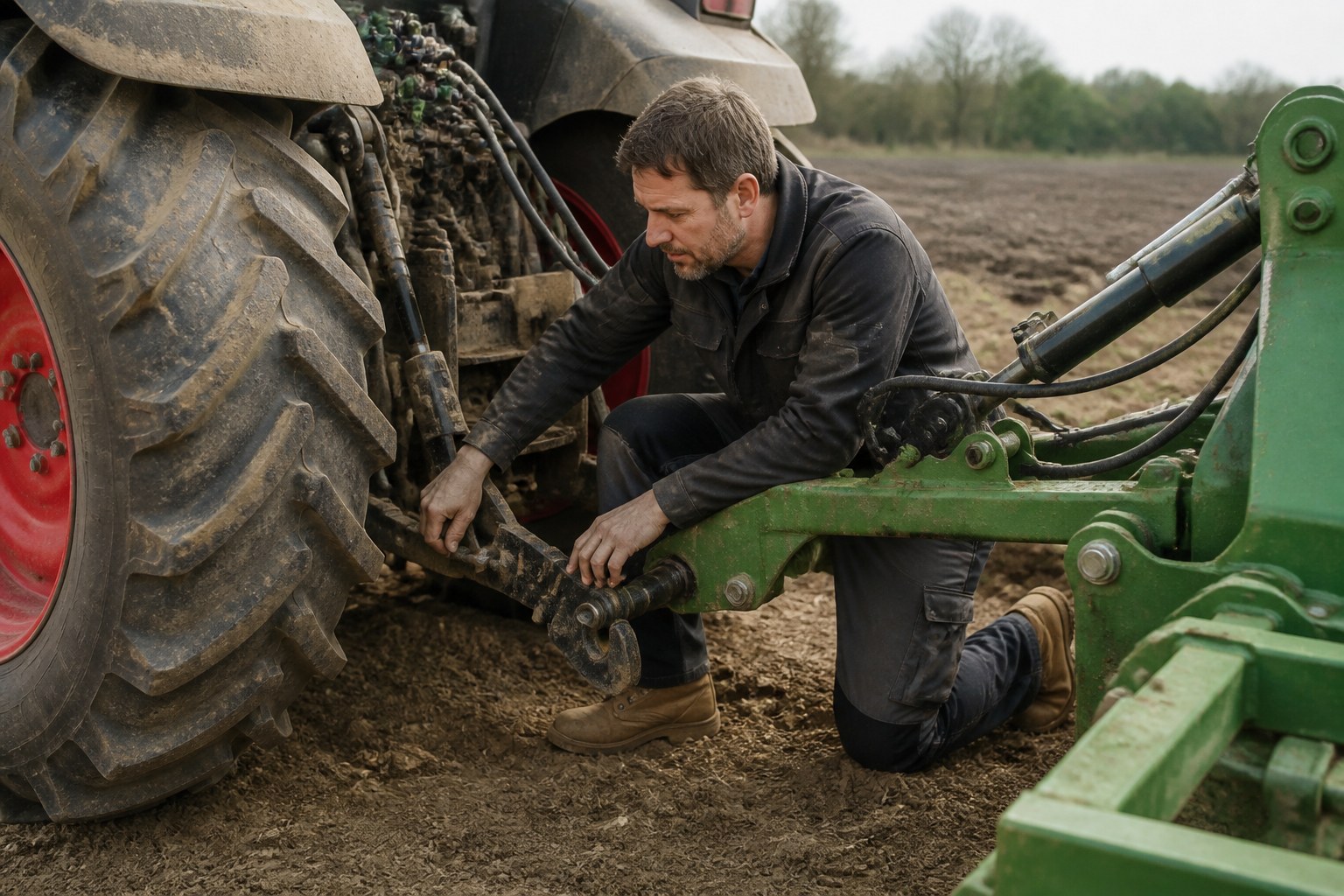
Fieldwork requires attention to ground conditions and the position of the implement behind the tractor. Uneven surfaces, narrow access routes and changing visibility require controlled speed and continuous observation. Experience with reversing, attaching equipment and working close to buildings or vehicles adds useful detail.
Transport duties require a different focus from cultivation work. When moving agricultural goods or equipment, the driver checks the route, load and surroundings and follows operating instructions for the tractor and attached trailer or implement. Describe these duties separately.
Cleaning, basic care and fault reporting also form part of responsible equipment use. Distinguish between routine checks you performed yourself and repairs carried out by a qualified mechanic. Accurate descriptions demonstrate practical knowledge without overstating technical responsibility.
Which Qualifications and Experience Strengthen Your Profile
A strong tractor driver profile starts with documented practical experience. State how long you worked in agriculture, which tasks you performed and which types of tractors or attached machinery you used. Include field preparation, transport, planting, harvesting support, machinery checks or routine care where these activities form part of your background.
Agricultural training, vocational education and machinery-related certificates strengthen the application when they relate to your actual experience. Include the qualification name, training institution, training period and main practical content. Do not present informal experience as a formal qualification.
Machinery knowledge is assessed through the detail and consistency of your professional history. Experience with different implements, basic fault recognition, safe attachment procedures and careful operation gives your profile practical substance. Safety awareness is equally important because tractor work involves heavy equipment, moving parts and people working nearby.
Driving-related documents should be organised and presented accurately where they relate to your work history or the relevant employment process. The required document depends on the vehicle, activity and applicable legal or employment context. Do not claim that one document automatically applies to every tractor driving activity in Germany.
Your employment history should show the scale and context of your work. Mention whether you operated machinery on arable land, grassland, in mixed agricultural operations or during transport activities. Include crops or fieldwork only when they accurately describe your background.
If you supervised equipment use, trained another worker or took responsibility for completing a field operation, state that responsibility clearly. Do not use inflated job titles, but explain the level of independence you had. Reliable information about responsibility is more useful than broad claims about being an experienced operator.
Why German Skills Matter in Agricultural Work
German skills support safe communication in agricultural work. Drivers need to understand instructions from supervisors, coordinate movements with colleagues and respond clearly when machinery, materials or people are nearby.
Language is also relevant when reading operating information, safety notices, maintenance instructions and workplace messages. A candidate who communicates reliably about a machine problem or changing field conditions supports safer daily operations.
Your German ability is assessed as part of your candidate profile, not as a requirement of an invented specific vacancy. State your current level honestly and distinguish between general language knowledge and workplace communication. Where available, document your level using a recognised Common European Framework of Reference for Languages level such as A2, B1, B2 or C1.
Focus language improvement on practical situations: describing machinery, understanding instructions, reporting a defect, discussing working times and confirming a task. You also need to recognise warnings, confirm that an instruction is understood and ask for clarification when a safety instruction is unclear.
Include language certificates when available, but do not rely on a certificate alone. Describe how you use German in practical settings, such as communicating with supervisors, reading machine instructions or working with German-speaking colleagues.
The level stated in the application should match your ability to discuss your work history and understand routine questions. Honest information helps identify preparation needs before employment opportunities are considered.
Recognition of Foreign Qualifications
Recognition depends on the legal status of the relevant profession and on the qualification being assessed. Regulated professions are legally protected, so professional practice requires the relevant recognition or professional licence. Non-regulated professions are not protected in the same way, and many occupations in the dual vocational system belong to this category.
Tractor driving is a practical occupation whose recognition requirements must be assessed in relation to the qualification, intended activity and employment context. The job title alone does not determine whether a formal recognition procedure applies.
Foreign certificates and evidence of practical training remain important even when formal German recognition is not automatically required. They show the content and level of your education and connect your previous work with the professional group for which you apply.
If a recognition procedure applies, the competent authority examines whether the foreign qualification corresponds to the relevant German reference profession. Complete documents are important for this assessment, and the result depends on the evidence and comparison carried out by the authority.
Recognition and requirements for working in Germany are separate matters. A statement about recognition does not establish whether a person meets the requirements for a particular residence status. Those requirements must be checked separately through responsible official sources.
Prepare certificates, subject information, practical training records and evidence of professional experience. If a document is unavailable, record this honestly instead of replacing it with an unsupported statement.
A foreign qualification with a different title still deserves a clear description of its content, duration and practical elements. Recognition does not replace practical experience, and practical experience does not automatically replace a document required by an official procedure.
Tractor Driver Application Preparation Checklist
Preparation area
What to document
Why it matters for your application
Practical experience
Employers or farms, positions, dates, agricultural duties, tractors and attached machinery operated
Shows the scope and reliability of your hands-on tractor driving background
Qualifications and certificates
Vocational training, agricultural education, machinery certificates and relevant driving-related documents
Provides evidence supporting your professional profile and practical knowledge
German language skills
Current language level, certificates where available and practical workplace communication ability
Helps assess your ability to understand instructions and coordinate safely
Application documents
Clear CV, important certificates, evidence of experience and translations where the relevant process requires them
Allows your profile to be reviewed accurately and reduces avoidable document gaps
Documents to Prepare for Your Application
Prepare a clear CV that presents your agricultural experience chronologically and verifiably. For each relevant employer or farm, state the organisation, position, employment dates and main duties. Include the tractors, implements and agricultural activities connected with each period.
Add education and training certificates, machinery-related certificates and other documents supporting your professional profile. Important school, vocational and higher education certificates belong in the document set when they explain your qualifications. Include driving-related documents where they relate to your experience or the applicable process.
Document your German skills separately from your work experience. Include certificates where available and describe practical communication abilities honestly. If important documents are in another language, translations into German or English support the review when the relevant process requires or benefits from them. Certified translation requirements are not universal.
A photograph is not a general application requirement. Focus on accurate information, readable formatting and complete evidence. An application form or later procedure may request additional information, so keep original documents available and provide copies only through an appropriate process.
Use clear file names and consistent dates. Check that scans show every page, including stamps, signatures and the reverse side when it contains relevant information.
Keep a list of missing documents and follow up systematically. Missing evidence does not justify inventing dates, duties or qualifications. A transparent explanation of an unavailable document is more reliable than information that conflicts with certificates or employment records.
Use consistent professional terms across your CV and supporting documents. If documents use different names for the same tractor or machine, add a short explanation where necessary.
Work Environment and Practical Expectations
Tractor driving is outdoor, practical work. Candidates should prepare for changing weather, variable ground conditions, machinery noise, vibration and physical activity. Agricultural tasks follow seasonal cycles, so daily work patterns depend on the operation, weather and stage of production.
The work requires concentration over extended periods and careful coordination with other workers. Drivers operate close to heavy equipment, attached implements, stored materials and moving vehicles. Safety procedures, protective equipment and machinery instructions form part of responsible working practice.
The employment contract provides the formal basis for the employment relationship. It should identify the contracting parties, start date, any fixed-term arrangement, workplace, duties, pay, working time, leave and termination provisions. Read these terms carefully before accepting an employment relationship.
Pay is normally stated as a gross amount. Taxes and social insurance contributions reduce the amount paid out as net pay, which depends on personal tax and social insurance circumstances. Additional payments or premiums depend on the employment relationship and applicable rules. Do not make financial decisions based on a gross figure alone.
The contract also explains where the work takes place and which duties belong to the role. Since your application is not tied to one named position, review the actual contractual terms once a specific employment opportunity is presented.
Agricultural work follows production needs rather than a uniform office schedule. Early starts, longer periods during busy operations and work on changing days form part of some agricultural activities. Actual working-time arrangements must be stated in the employment terms.
Accommodation, transport to the workplace and daily travel affect practical costs and routine. Ask for clear information about arrangements presented as part of the employment conditions, and do not assume that housing or transport is included.
Use protective clothing and equipment according to the task and machinery instructions. A safety-focused attitude remains necessary during routine operations because heavy equipment, moving parts and uneven ground continue to create risks.
How to Build a Strong Tractor Driver Profile
Start by creating a complete record of your practical experience. List every relevant period of agricultural work, the machinery you operated, the tasks you performed and your level of responsibility. Replace broad statements such as “worked with tractors” with precise descriptions of fieldwork, transport, implements and routine checks.
Organise your certificates and supporting documents. Scan them clearly, use consistent file names and keep the originals available. Where a qualification or certificate is not in German or English, investigate the translation requirements of the relevant procedure before submitting it.
Improve workplace German alongside document preparation. Practise vocabulary for machinery parts, field operations, safety instructions, defects, weather conditions and coordination with colleagues. Record your language level honestly rather than selecting a level that daily communication does not support.
Explain your mobility clearly. Candidates must be open to employment opportunities throughout Germany. A nationwide approach gives your profile broader geographical scope and avoids creating an expectation of placement in one particular city or region.
Check that your CV, certificates and statements tell the same story. Employment dates should be consistent, machinery experience should be plausible and qualifications should be described accurately. A well-organised profile allows your background to be assessed without avoidable uncertainty.
Use the application as a professional summary rather than a collection of unrelated documents. Place the most relevant agricultural experience where it is easy to find, then support it with certificates and additional evidence.
Prepare short, factual explanations for gaps or changes in your employment history. Agricultural work includes seasonal or temporary periods, and clear explanations prevent confusion about dates.
Before submitting, read the CV from the perspective of someone assessing tractor operation experience. Remove vague claims, check technical terms and confirm that every listed certificate is included or clearly marked as pending.
Keep your contact details current and check your email regularly after submission. Use a professional email address and respond to requests for clarification with complete information.
Your Next Steps Towards Work in Germany
Tractor driver jobs in Germany require a practical profile built around machinery experience, agricultural knowledge, safety awareness and reliable communication. Your application becomes stronger when your CV explains exactly what you did, which equipment you operated and which qualifications support your experience.
Prepare your documents before applying, present your German skills honestly and keep recognition questions separate from residence questions. Formal recognition depends on the relevant qualification and context, while foreign certificates remain valuable evidence of your professional background.
Remain open to employment opportunities throughout Germany and review actual employment conditions carefully when a specific opportunity is presented. This approach gives you a realistic basis for pursuing agricultural work and preparing for the next stage.
If you want to pursue tractor driver employment in Germany, submit your professional profile through the East Talent application form.
Keep updated copies of certificates, language evidence and employment records ready for later review. If your machinery experience grows or your German improves, update your profile so the assessment reflects your current abilities.
A careful application does not promise a particular employer or location. It gives your professional background a clear and reliable basis for consideration for suitable agricultural employment opportunities. Accurate information, complete documents and nationwide mobility support the next steps.
Create your profile
Registration with East Talent
Four short steps. A CV is optional and can be provided in your native language.
Step 1 of 4Profession
East Talent
International recruitment with proprietary software
East Talent combines international recruitment with structured digital processes for handling candidate profiles, attracting employers and evaluating job opportunities.