What Livestock Farm Worker Jobs in Germany Involve
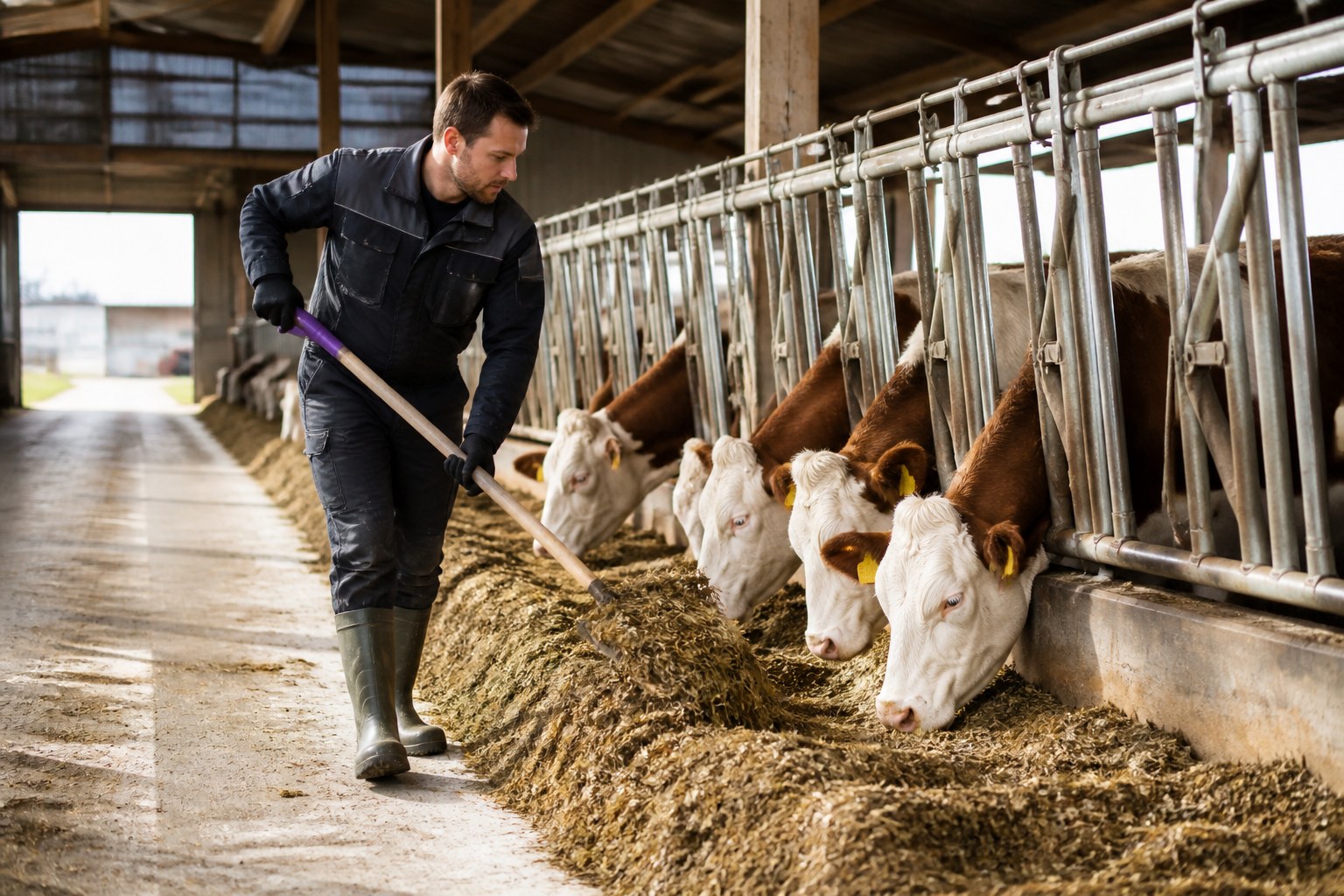
Livestock farm work in Germany focuses on the daily care, observation and management of farm animals. Depending on the agricultural workplace, your duties include feeding animals, checking their condition, cleaning animal housing and supporting routine work in barns and other farm areas.
The work is practical and physically active. You may spend much of the day standing, walking, lifting, cleaning equipment or moving materials. Careful observation is important because changes in an animal’s behaviour, appetite, movement or general condition must be noticed and reported to the responsible person.
Routine tasks require consistency. Feeding schedules, hygiene procedures, cleaning duties and equipment checks must be completed carefully. The exact combination of tasks differs between livestock farms, but reliable animal care and responsible cooperation remain central to the occupation.
Livestock farm work also takes place in an agricultural environment rather than a standard office workplace. Weather, noise, dust, strong smells and contact with animals are part of the working environment. Candidates should therefore understand the physical and practical character of the profession before applying.
Daily work is organised around the needs of the animals and the operating schedule of the farm. This creates early starts, repeated care routines and periods in which several tasks require attention at the same time. A strong candidate remains focused when work becomes physically demanding or when conditions change during the day.
The occupation also requires respect for established procedures. Feed must be handled carefully, housing must remain clean and equipment must be used responsibly. Livestock work is not limited to physical assistance; it includes noticing risks, protecting animal welfare and communicating relevant information to the responsible team members.
Who Is Suited to Livestock Farm Work?
A suitable candidate approaches animals calmly and carefully. Livestock handling requires attention, patience and respect for animal welfare. You need to follow instructions, avoid unnecessary stress for the animals and report problems instead of ignoring them.
Reliability is particularly important because animal care follows recurring routines. Feeding, cleaning and observation duties affect the wellbeing of the livestock and the operation of the farm. Employers therefore look for candidates who complete assigned work consistently and take responsibility for practical details.
Physical resilience supports the daily work. Agricultural tasks involve repeated movement, manual work and changing conditions. Candidates should describe previous experience with physically active work, outdoor duties, cleaning, feeding or farm operations in a clear and factual way.
Readiness for routine work is another important quality. Livestock farming includes repeated tasks, but repetition does not remove the need for concentration. Small changes in animal condition, equipment or hygiene require careful attention every day.
You also need a cooperative attitude. Farm work is organised through practical teamwork. Clear communication about completed tasks, animal observations, equipment problems and safety concerns supports the entire working process.
Personal discipline is important when supervision is limited during individual tasks. You must organise your work, complete the assigned sequence and ask for clarification when an instruction is unclear. Candidates with experience working independently should explain this in their profile.
Animal work also requires emotional responsibility. Injured, ill or distressed animals must be treated seriously and reported promptly. Your application should show that you understand the difference between routine care and situations that require immediate attention from an experienced colleague or responsible professional.
Qualifications and Practical Experience
Your profile should distinguish clearly between formal agricultural training and practical livestock experience. If you completed vocational education, agricultural training or another relevant programme, state the qualification, institution, dates and main subjects.
Practical experience is equally important for this occupation. Describe the types of animals you handled, the working environment and the tasks you performed. Useful details include feeding, watering, cleaning stalls, monitoring animal condition, assisting with routine care and handling agricultural equipment.
Do not list only a job title such as “farm worker.” Explain what you actually did. A clear description gives the reader a better understanding of your level of responsibility and your familiarity with livestock work.
Mention responsibilities related to hygiene, animal welfare, safety or team coordination. If you trained new colleagues, maintained equipment, recorded observations or supported daily planning, include these responsibilities where they accurately reflect your experience.
There is no single formal certificate that universally defines every livestock farm worker position. The relevance of your qualification depends on its content, while practical experience shows how you apply your knowledge in real agricultural situations.
Experience with a particular animal species deserves a precise description. State whether your work involved cattle, pigs, poultry, sheep or other livestock, and explain the care routines you performed. This information helps distinguish basic farm exposure from regular responsibility for animal care.
Also record the scale and type of your previous work only when you know the information accurately. Explain whether you worked in a family farm, commercial agricultural operation, stable or mixed farm environment. Focus on verifiable duties rather than broad claims about responsibility.
Skills to Prepare Before Working in Germany
Before seeking livestock farm worker jobs in Germany, review the practical skills you already have and identify areas that need improvement. Animal welfare awareness forms the basis of responsible livestock care. You should understand the importance of calm handling, suitable feeding routines, clean housing and prompt reporting of unusual conditions.
Hygiene is part of everyday farm work. Cleaning animal housing, keeping equipment orderly and following hygiene instructions protect animals and support a safe working environment. Describe any previous duties involving sanitation, cleaning routines or disease-prevention procedures.
Safety awareness is also essential. Agricultural work involves animals, machinery, tools, slippery surfaces and manual handling. Follow workplace instructions, use protective clothing and report unsafe conditions. Do not claim equipment experience that you do not possess; instead, identify the tools and machinery you have used accurately.
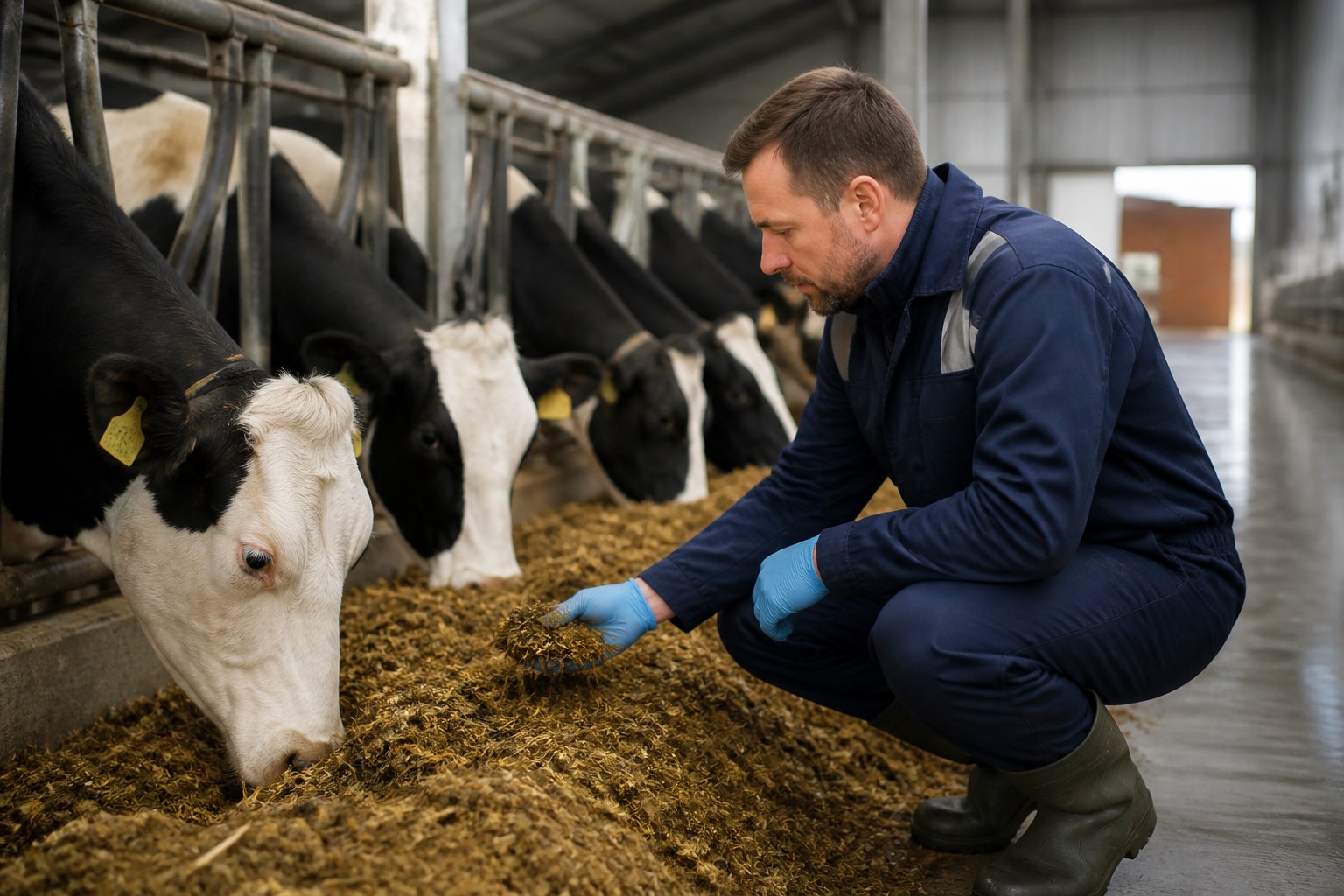
Observation is a practical professional skill. Explain how you noticed changes in animal behaviour, feeding, movement or appearance and how you communicated those observations. This information is more useful than a general statement that you are interested in animals.
Cooperation completes the skill profile. Farm teams depend on clear handovers and reliable communication. Prepare examples that show how you organised routine duties, followed instructions and informed colleagues or supervisors about problems.
Preparation also includes learning the vocabulary used for everyday farm activities. Terms connected with feed, water, bedding, cleaning, animal parts, tools and safety instructions support faster understanding at work. Combine language learning with practical knowledge instead of studying general vocabulary without an agricultural context.
Review your equipment experience honestly before submitting your profile. Separate machines you operated independently from equipment you used only under supervision. This distinction gives a more accurate picture of your skills and prevents misunderstandings during professional assessment.
German Skills for Livestock Farm Work
German is part of your candidate profile because livestock work depends on practical communication. You need to understand instructions about feeding, cleaning, animal handling, equipment and safety. You also need to communicate observations and ask questions when an instruction is unclear.
Language skills support safe cooperation with colleagues. Short, accurate messages about an animal’s condition, a damaged tool or a completed task help prevent mistakes. German also supports your integration into the daily working environment and makes routine coordination easier.
Do not present an unsupported language level as a universal requirement for all livestock farm work. Instead, state your current German skills honestly and explain how you use the language in practical situations. If you also speak English or another language, include it in your profile.
If you are learning German, continue building vocabulary connected with animals, feeding, hygiene, tools, safety and everyday workplace communication. A clear and truthful description of your language development is more useful than an exaggerated claim.
Your profile should distinguish general language knowledge from practical comprehension. Explain whether you understand spoken instructions, communicate with colleagues, read short safety information or record simple observations. Concrete examples give a clearer picture than a language level listed without context.
Communication also includes confirming instructions. Repeating an important task in your own words, asking about an unfamiliar tool and reporting a change in an animal’s condition are responsible working habits. These actions demonstrate both language development and safety awareness.
Livestock Farm Worker Application Preparation
Preparation area
What to provide
Why it matters
Livestock experience
Animal species, feeding, cleaning, observation, handling and equipment duties
Shows your practical familiarity with daily farm work
Qualifications and certificates
Agricultural training, vocational qualifications and relevant certificates
Supports the assessment of your formal professional background
German language skills
Current level and examples of workplace communication
Shows how you understand instructions and communicate about animals, equipment and safety
Employment history and responsibilities
Employers or farms, positions, dates and specific tasks
Makes your experience verifiable and distinguishes responsibilities from job titles
Recognition and Employment Preparation
Recognition questions depend on the nature of your qualification and the work you intend to perform. Regulated professions are legally protected and require the relevant professional recognition or licence. Non-regulated occupations are not subject to the same professional recognition rules.
Livestock farm worker work is not automatically subject to one universal recognition decision. If you hold a foreign agricultural qualification, the responsible authority examines whether it corresponds to a German reference qualification when a recognition procedure applies.
A recognition procedure assesses the submitted qualification and the content of the training. The result may be full recognition, partial recognition or no recognition. Where substantial differences exist, an adaptation qualification or another prescribed qualification measure may be relevant in the individual case.
Recognition and requirements for working in Germany are separate matters. The fact that work is not regulated does not automatically mean that no qualification documents are relevant for residence or employment preparation. Those requirements must be examined separately for your personal situation.
Prepare your certificates, training records and employment evidence early. Complete documents make it easier to assess your professional background and to identify which further steps apply to you.
Training records should show the content and duration of your education where those details are available. Employment certificates, reference letters and other evidence should support the dates and duties stated in your CV. Inconsistent dates or unexplained gaps make professional assessment more difficult.
Keep copies of submitted documents and organise them by category: identity information, education, employment, language skills and supporting evidence. If an authority or reviewing organisation requests additional information, an organised file helps you respond accurately and avoid repeated searches for documents.
A recognition result does not replace a complete candidate profile. Practical experience, German communication skills and reliable evidence remain important when your background is assessed for employment in livestock farming.
Documents for Your Candidate Profile
Your candidate profile should contain a clear English or German CV. Present your personal details, education, agricultural training, employment history, language skills and relevant practical abilities in a structured format.
Describe each relevant job with the employer or farm name, position, dates and main responsibilities. For livestock work, include the animal species, daily care duties, hygiene work, equipment used and any responsibility for observation or reporting.
Add agricultural certificates, vocational qualifications and other documents that support your professional background. Important school, training and higher-education certificates may form part of your application documents when they are relevant to your profile.
State your German skills honestly. You may describe them using the Common European Framework of Reference levels, such as A2, B1, B2 or C1, when an assessed level accurately reflects your knowledge. Also explain practical communication experience where relevant.
References or other evidence of livestock experience strengthen your profile when they are available and accurate. Do not create documents or responsibilities that do not reflect your real experience. If your certificates are not in English or German, a translation may be useful or required in the relevant procedure. Whether a certified or otherwise formal translation is needed depends on that procedure.
Use consistent dates across your CV, certificates and employment evidence. If a document uses a different job title from your CV, explain the actual duties rather than changing the original document. Clear descriptions help reviewers understand the relationship between formal titles and practical livestock work.
Your contact details should remain current and easy to read. Check your telephone number, email address and preferred communication language before submitting the profile. A professional email address and clearly named files also make the application easier to process.
Do not send unrelated documents simply to make the application longer. Select records that demonstrate agricultural training, livestock experience, language ability and reliable work history. Accuracy and relevance are more valuable than a large collection of unsorted files.
Working Conditions and Mobility Across Germany
Before accepting employment, read the employment contract carefully. Important information includes the contracting parties, start date, possible fixed-term status, probationary period, workplace, duties, pay, working hours, holiday entitlement and notice periods.
Pay is normally stated as a gross amount. Gross pay is not the same as the net amount transferred to your account. Taxes and social insurance contributions are deducted according to your personal circumstances, so you should not calculate your available income from the gross figure alone.
Your personal budget must also include the financial effects of moving to Germany. Rent, a deposit, transport and other living costs reduce the amount available after deductions. Review these costs before making relocation decisions and avoid assuming that a gross salary represents your disposable income.
Livestock work takes place in agricultural environments and may involve physically active routines, animal contact, cleaning, equipment and changing weather conditions. Clarify the duties and working arrangements in the employment contract before starting.
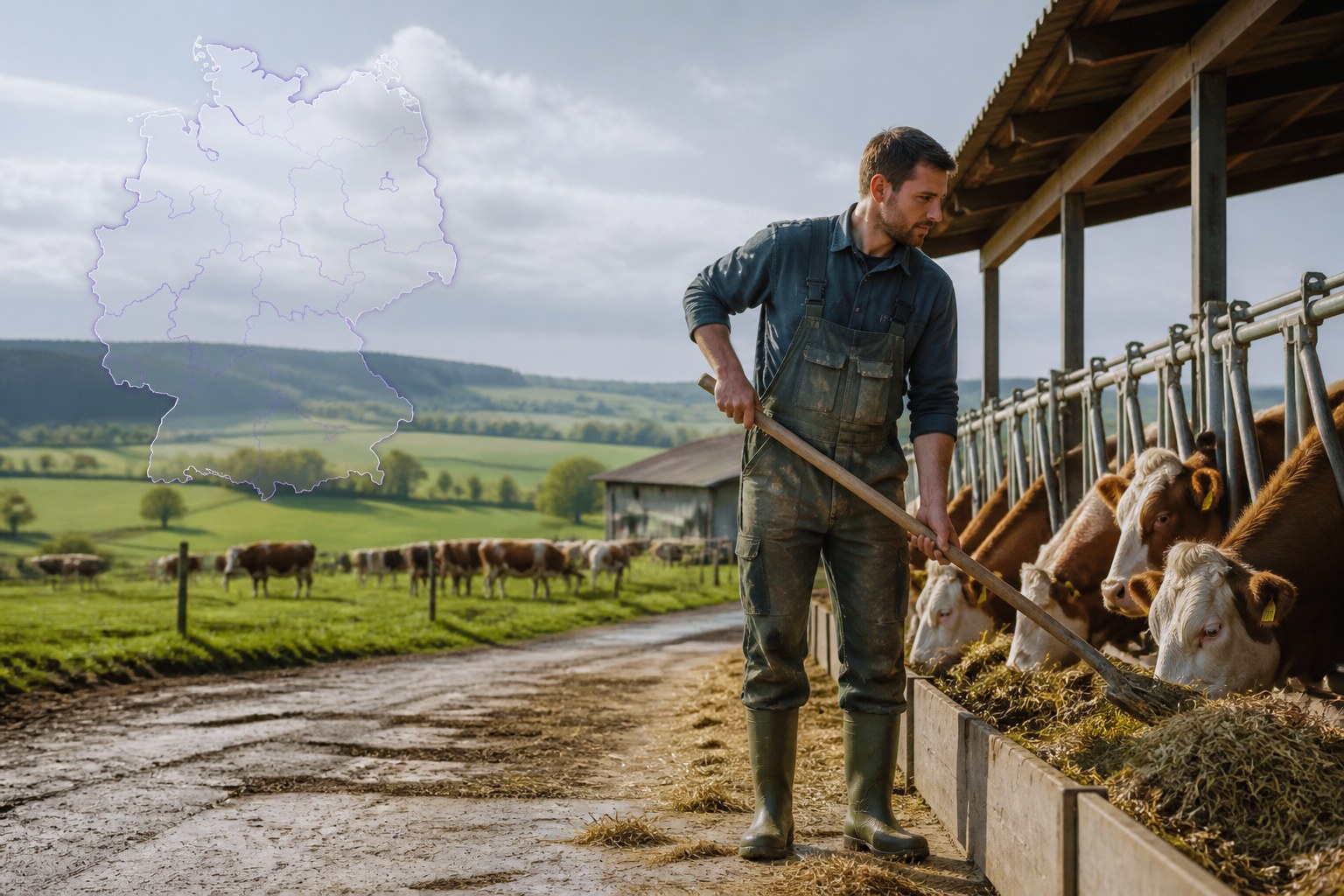
Candidates must remain open to employment opportunities throughout Germany. Do not build your application around one preferred city or region. Nationwide openness gives your professional profile a broader basis for suitable employment opportunities.
The workplace may be located away from large urban centres, which makes transport and accommodation practical issues to consider. Include travel arrangements, local services and the cost of reaching the workplace in your relocation planning. These factors directly affect your daily routine and available budget.
Ask for clear information about working arrangements before you begin. Your understanding should cover the normal duties, the location, the accommodation situation if one is discussed, and the way routine communication takes place. Keep the information connected to the written employment documents.
Physical working conditions deserve realistic preparation. Suitable footwear, protective clothing, hydration, rest and careful lifting support safe performance during demanding tasks. Previous experience with outdoor or manual work helps you judge whether this environment matches your expectations.
How to Prepare Your Application with East Talent
East Talent accepts unsolicited applications from candidates seeking employment in their professional group in Germany. You apply for potential employment opportunities as a livestock farm worker, not for a specific vacancy or a named employer.
East Talent reviews your professional qualification, practical experience, German skills and documents relevant to placement. Your application therefore needs to present the complete profile rather than only a short statement of interest.
Suitable candidates may later be introduced to companies in Germany whose requirements match their professional background. This process does not guarantee a particular employer, location or employment outcome. Candidates must remain open to opportunities throughout Germany.
Submit information that is complete, truthful and easy to verify. Explain your livestock experience in concrete terms, include relevant documents and state your language skills accurately. If your experience is broad, organise it by animal care, hygiene, equipment, observation and teamwork.
Before submitting your profile, check that dates are consistent, document names are clear and your contact details are current. A well-structured application gives your qualifications and practical experience a clear professional presentation.
Use the application to explain what type of livestock work you have performed and which duties you are prepared to carry out. Mention animal species, feeding routines, cleaning, observation, machinery and teamwork where these details accurately describe your background.
Review the final profile from a reader’s perspective. The first sections should make your professional direction clear, while the supporting documents should confirm the main statements. Avoid general claims such as “hard-working animal lover” without examples of actual farm duties.
Nationwide openness is part of the application strategy. A willingness to consider employment throughout Germany prevents your profile from being limited by one preferred location and gives the professional assessment a broader basis.
Apply now: Apply for jobs in Germany through our application form.
Create your profile
Registration with East Talent
Four short steps. A CV is optional and can be provided in your native language.
Step 1 of 4Profession
East Talent
International recruitment with proprietary software
East Talent combines international recruitment with structured digital processes for handling candidate profiles, attracting employers and evaluating job opportunities.