Milking machine operators work at the intersection of livestock care, agricultural technology and hygiene. Their main responsibility is to operate milking equipment correctly and monitor the process from preparation through cleaning. The work requires attention to the condition of the animals, the performance of the equipment and the cleanliness of the milking environment.
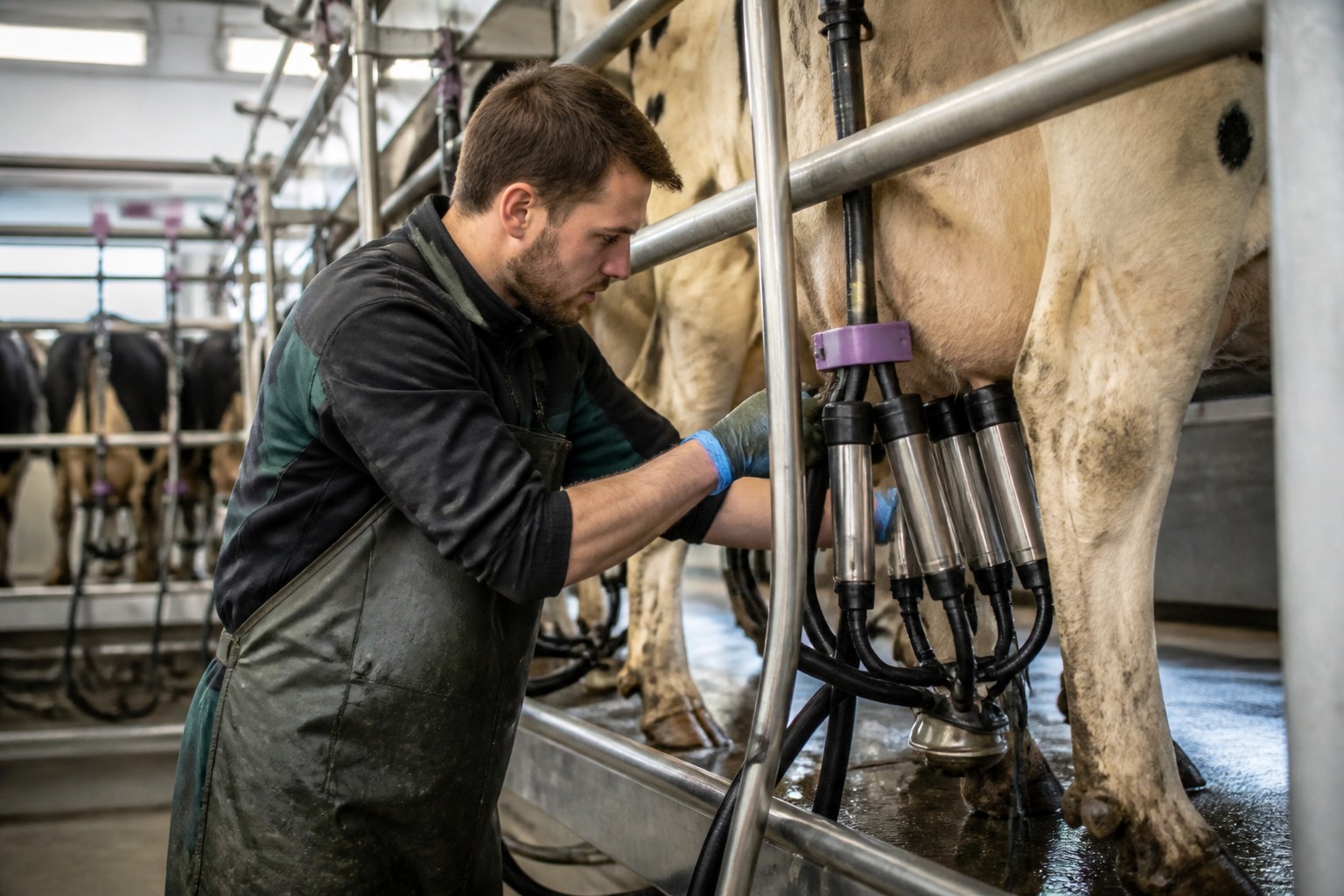
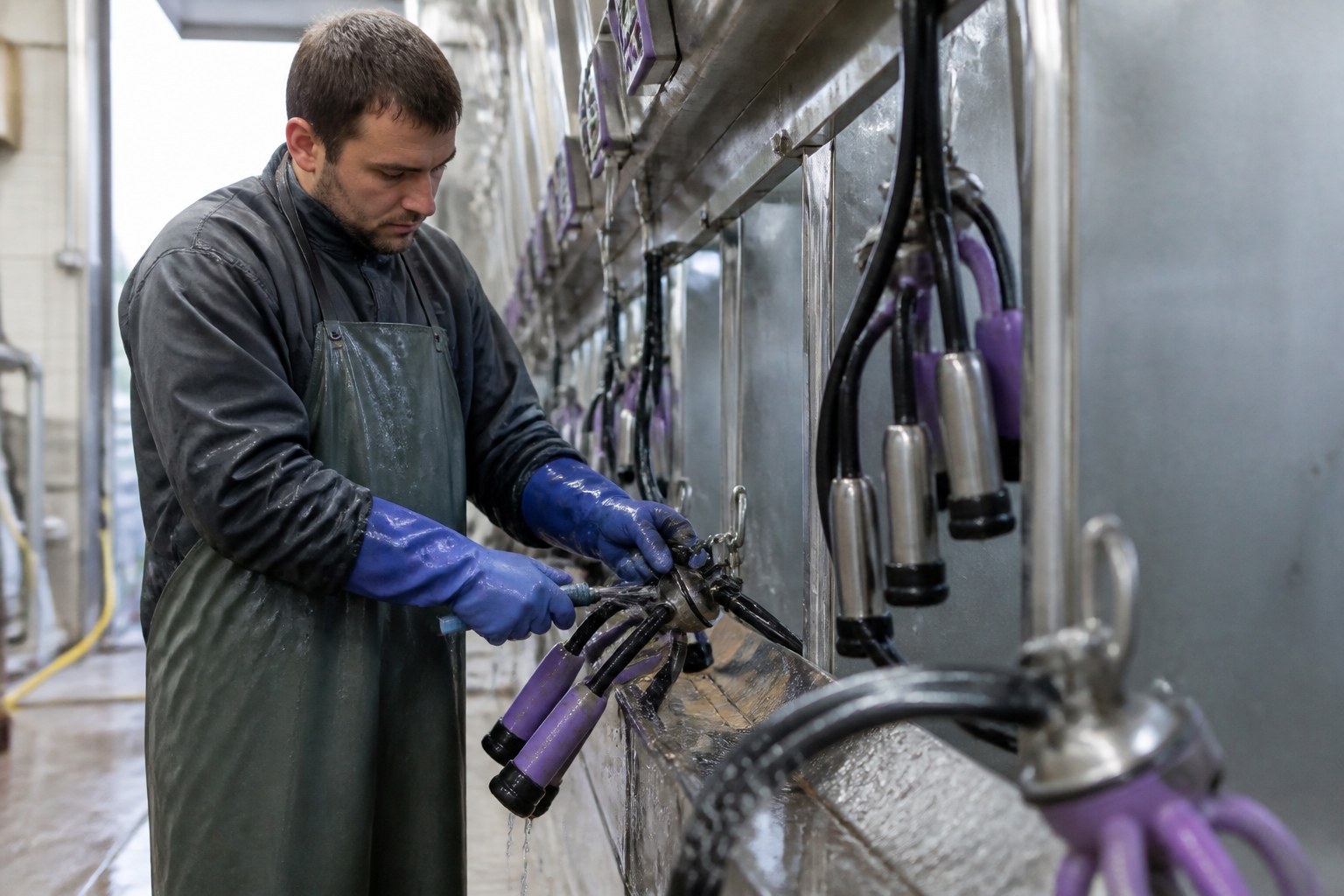
Before milking begins, operators prepare the parlour, inspect relevant components and ensure that the equipment is ready for use. During milking, they attach and monitor milking units, observe animal behaviour and identify irregularities in the process. Afterward, they clean equipment and working areas and report technical or operational problems.
This article concerns candidates seeking employment in the occupational group of milking machine operators. It does not describe a specific vacancy or promise employment with a named farm. East Talent reviews candidates for employment opportunities in their professional field, and suitable candidates may later be presented to companies in Germany.
Daily Tasks and Working Environment
Milking machine operators work in agricultural environments with regular contact with cattle and dairy equipment. The workplace includes milking parlours, animal areas, storage spaces and technical installations. Floors may be wet, equipment includes hoses and control elements, and the work involves repeated movement around animals and machinery.
Animal observation is an important part of the occupation. Operators pay attention to behaviour, movement and visible signs that require communication to other farm workers. They also work carefully around livestock, follow established handling routines and support an orderly milking process.
Cleaning and hygiene are not separate from the main task. Operators clean milking units, hoses, surfaces and other components after use according to the applicable operating procedures. Consistent hygiene protects the quality of the working process and supports safe handling of dairy equipment.
The work is physically active. Standing, walking, bending, carrying equipment and working in protective clothing form part of the working environment. Candidates also need concentration because a technical problem, an incorrectly positioned unit or an animal-related irregularity requires prompt and accurate attention.
Cooperation with other farm workers is part of daily work. Operators communicate observations, report equipment problems and coordinate tasks connected with livestock care and cleaning. The exact organisation of work depends on the employment relationship and workplace, so candidates should review those details when an employment opportunity is presented.
Skills and Experience That Strengthen Your Profile
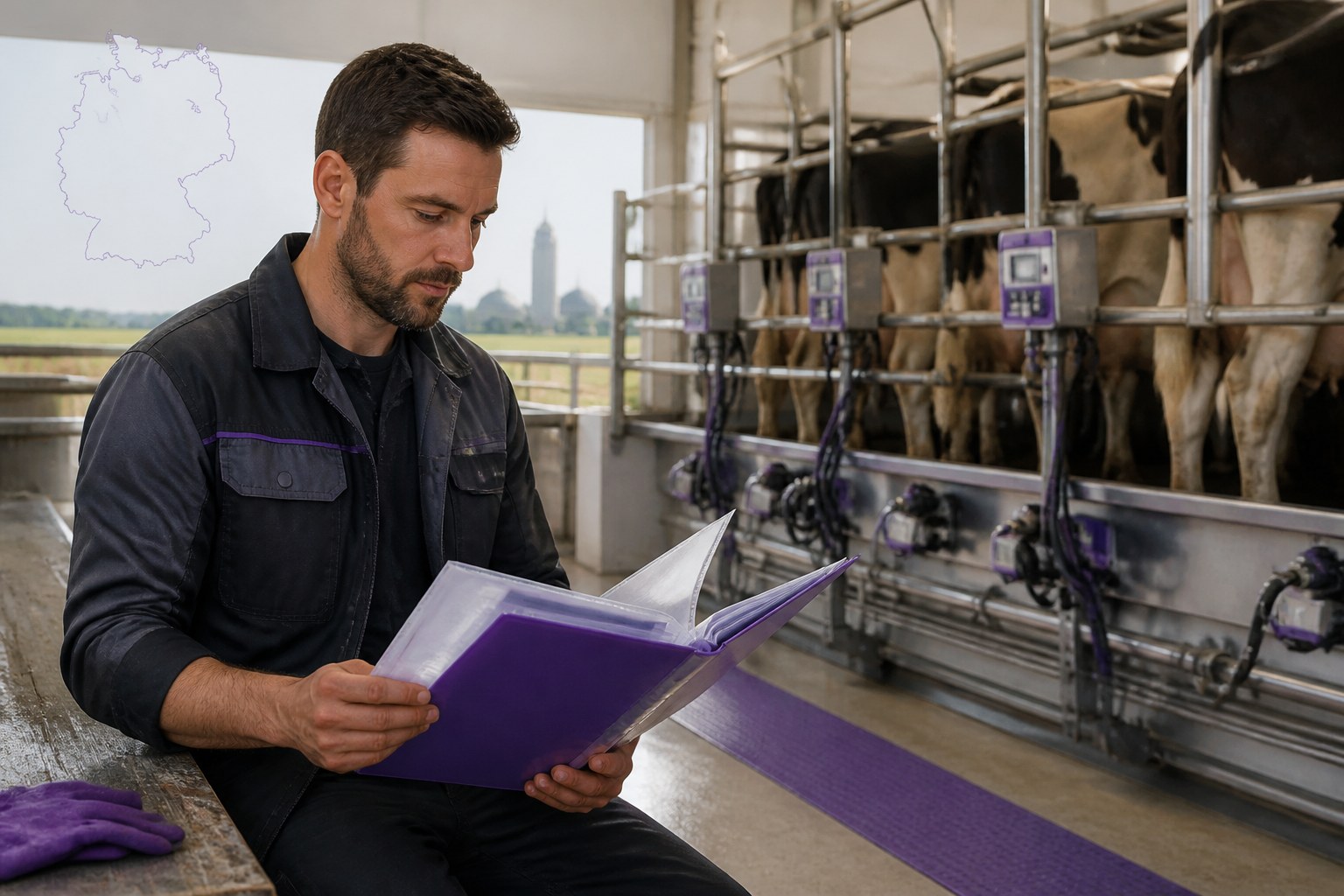
A strong candidate profile includes practical experience with milking systems, dairy-farm work or closely related livestock activities. Describe the equipment you have used, the type of milking environment, the animals you handled and the responsibilities you carried out. Precise descriptions are more useful than a general statement that you have worked on a farm.
Relevant experience includes preparing milking equipment, attaching and checking milking units, monitoring the milking process, cleaning components and recognising technical irregularities. Experience with feeding, animal observation, stable work or routine livestock care also helps explain your familiarity with the working environment.
Safe equipment handling is essential. Candidates should demonstrate that they work carefully around electrical, mechanical and fluid-based equipment, follow instructions and report defects instead of ignoring them. Do not claim technical expertise that you have not actually used. A reliable description of your level of responsibility supports an accurate candidate review.
Hygiene habits strengthen an application. Include the cleaning routines you followed, the equipment and surfaces you maintained and the procedures you used to keep the milking area orderly. Attention to hygiene shows that you understand the connection between equipment maintenance, animal care and the quality of the work.
Physical readiness, reliability and careful observation also belong in your profile. These qualities matter because the occupation combines livestock contact, repetitive practical work, technical monitoring and cooperation with other workers. Formal qualifications are relevant when you possess them, but undocumented qualifications should not be presented as universally mandatory for every milking machine operator position.
Why German Matters in Dairy-Farm Work
German is an important part of your candidate profile because dairy-farm work depends on clear communication. You need to understand instructions concerning animals, equipment, cleaning and workplace safety. You also need to communicate when a machine behaves differently, an animal requires attention or a routine task is incomplete.
Language skills matter in practical situations rather than only in written applications. A candidate should be able to understand everyday workplace explanations, ask focused questions and report observations accurately. This includes vocabulary related to cattle, milking equipment, hygiene, protective clothing, cleaning and technical faults.
Do not present a language level that you cannot demonstrate. State your current German knowledge honestly and explain where you use it, such as in work instructions, conversations, training or daily life. Language information helps East Talent assess your readiness for professional communication without linking your profile to an invented requirement from a specific vacancy.
Improving job-related German before applying strengthens your preparation. Build a personal vocabulary list for equipment parts, animal care, cleaning procedures and safety instructions. Practice describing a technical problem and explaining the steps you follow before, during and after milking.
Qualifications, Certificates and Recognition
Collect documents that make your professional background understandable. Relevant records include vocational training certificates, agricultural or livestock-care qualifications, school documents, employer references and certificates from practical training. Employment references should identify your position, period of employment and main responsibilities.
Your documents should distinguish between general farm work and specific milking experience. If you operated particular milking systems, maintained equipment or followed defined hygiene routines, state this clearly in your CV and supporting records. Task descriptions help reviewers understand the practical scope of your experience.
Professional recognition and immigration requirements are separate questions. Non-regulated occupations are not legally protected in the same way as regulated professions. In a non-regulated occupation, formal German professional recognition is not automatically required simply to perform the work. This does not mean that qualification evidence is irrelevant to an immigration process. Any immigration-related requirements require separate assessment.
A recognition procedure examines whether a foreign professional qualification matches a German reference occupation and whether substantial differences exist. Depending on the assessment, the result includes full recognition, partial recognition or no recognition. Where substantial differences exist, an adaptation qualification or another prescribed qualification measure addresses those differences in the relevant circumstances.
Candidates should therefore keep complete records even when recognition is not automatically required for the occupation. Clear evidence of training and experience supports professional assessment and gives the responsible authorities better information if a recognition procedure or another formal review becomes relevant.
Milking Machine Operator Application Preparation
Preparation area
What to prepare
Why it matters
Practical experience
Describe milking equipment, dairy-farm tasks, cleaning routines and animal-care responsibilities.
Shows the scope of your occupational experience and your familiarity with the working environment.
Qualifications and certificates
Collect vocational records, training certificates, school documents and employment references.
Supports the review of your professional background and any recognition assessment.
German-language profile
State your current German knowledge and the situations in which you use German.
Helps assess communication readiness for instructions, safety and teamwork.
Application documents
Prepare a structured CV with employers, positions, dates and detailed responsibilities.
Makes your experience understandable during candidate review.
Documents for an Application Through East Talent
East Talent accepts unsolicited applications from candidates seeking employment in their occupational group. You do not apply at this stage for a named vacancy or a specific employer. The purpose of the application is to present your professional background for possible employment opportunities in Germany.
Prepare a structured CV in English or German. Include your contact details, work history, education, training, language knowledge and relevant practical skills. For every farm or employer, state the position, dates and main duties. Explain whether you worked with milking equipment, livestock care, stable hygiene, cleaning routines or maintenance tasks.
Add employment references and certificates when they are available. A reference is particularly useful when it confirms the type of farm work, the equipment used and the period of practical experience. Include school, vocational and agricultural training records that relate to the occupational group.
Describe your German-language profile precisely. State your current level if you have assessed it and provide examples of professional situations in which you use German. Also list other languages when they support communication in an international working environment.
Foreign-language certificates may require translation into German or English in a particular procedure. Whether a certified or otherwise formalised translation is required depends on that procedure. Prepare clear scans of your original documents and keep the originals available for later verification.
Applicants must remain open to employment opportunities throughout Germany. Geographic flexibility is part of the candidate profile because East Talent does not present every applicant only to a preferred city or region.
What to Check Before Accepting Employment
When an employment opportunity is presented, review the employment contract carefully before accepting it. The contract should identify the parties, the beginning of the employment relationship, the workplace, the job duties and any agreed limitation of the contract.
Check the provisions concerning working time, remuneration, probationary period, holiday entitlement and termination. The contract should make the practical conditions understandable. Additional rules may arise from a collective agreement or workplace agreement where those arrangements apply.
Pay attention to the difference between gross and net pay. Gross pay is the amount agreed before deductions. Taxes and social-insurance contributions reduce the amount paid to you, and the resulting net amount depends on your individual circumstances. Do not calculate your expected available income from the gross amount alone.
Also consider the practical cost of relocating to Germany. Rent, a deposit, transport and other living expenses affect the amount that remains available after receiving your pay. These costs belong in your personal planning even when they are not stated in a general job description.
The workplace details matter for this occupation. Confirm where milking and cleaning duties take place, which equipment you operate, how responsibilities are organised and which working-time arrangements apply. These points belong to the employment relationship and must be assessed from the contract and the information provided for the opportunity.
How to Prepare for Milking Machine Operator Jobs in Germany
Start by documenting your practical experience. Write down the names or types of milking systems you used, the number and type of animal-care tasks you performed, the cleaning work you completed and the technical problems you encountered. This preparation helps you create a precise CV and discuss your experience clearly.
Next, collect certificates and employment records. Organise vocational documents, training confirmations, references and proof of previous employment. Make sure dates, job titles and responsibilities are consistent across your CV and supporting documents.
Improve your job-related German systematically. Learn the terms used for milking units, hoses, pumps, cleaning products, protective equipment, cattle care and technical faults. Practice short explanations such as how you prepare equipment, what you inspect during milking and how you report a problem.
Prepare translations where they are relevant to the procedure. Keep the original documents together with any translations, and do not assume that every document requires certification. The responsible procedure determines the applicable formal requirements.
Submit your application form with a complete and honest profile. Include your experience, certificates, language information and willingness to work throughout Germany. After submission, keep your documents updated and remain ready to provide additional information about your professional background.
This preparation does not guarantee a particular job, employer or immigration outcome. It gives East Talent a reliable basis for reviewing your qualifications, experience, German skills and documents for employment opportunities in your occupational group.
Your Next Step as an International Candidate
The strongest preparation for milking machine operator jobs in Germany combines practical dairy-farm experience, safe equipment handling, consistent hygiene routines and careful animal observation. Your CV should show exactly what you did, which systems you used and how long you performed the work.
German-language information, certificates, employment references and clear task descriptions complete the professional profile. Keep professional recognition separate from immigration requirements and prepare the documents needed for any relevant formal review.
East Talent reviews professional qualifications, work experience, German-language skills and relevant documents before suitable candidates are presented to companies in Germany. Applicants must remain open to employment opportunities throughout Germany.
Four short steps. A CV is optional and can be provided in your native language.
Step 1 of 4Profession
East Talent
International recruitment with proprietary software
East Talent combines international recruitment with structured digital processes for handling candidate profiles, attracting employers and evaluating job opportunities.