Measurement And Testing Technician Jobs In Germany
What Measurement and Testing Technicians Do
Measurement and testing technicians work with technical equipment, measurement procedures and documented test results. Their work focuses on obtaining reliable information about components, materials, products or technical processes. The exact working environment differs across professional fields, but accuracy, consistency and traceable documentation remain central to the role.
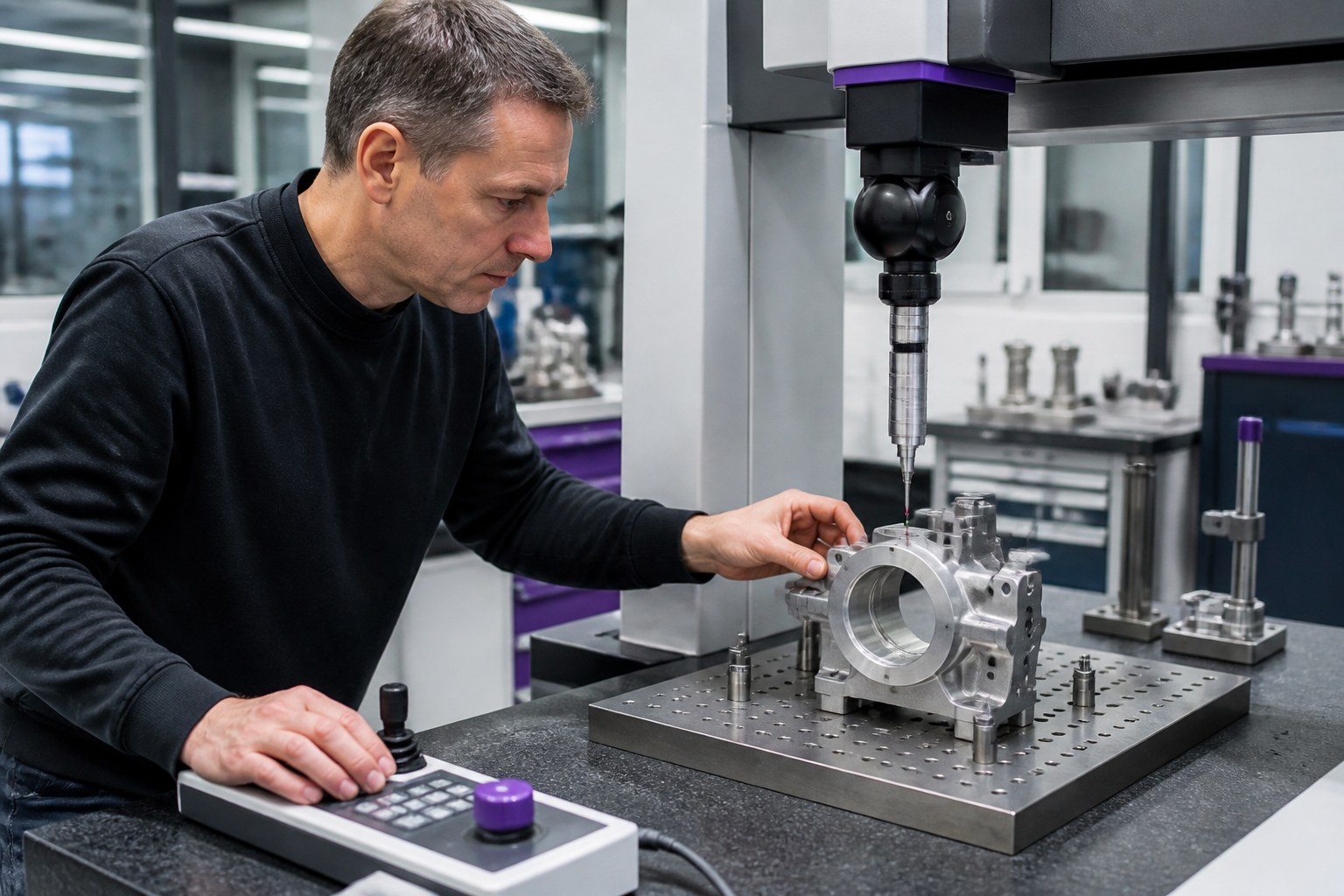
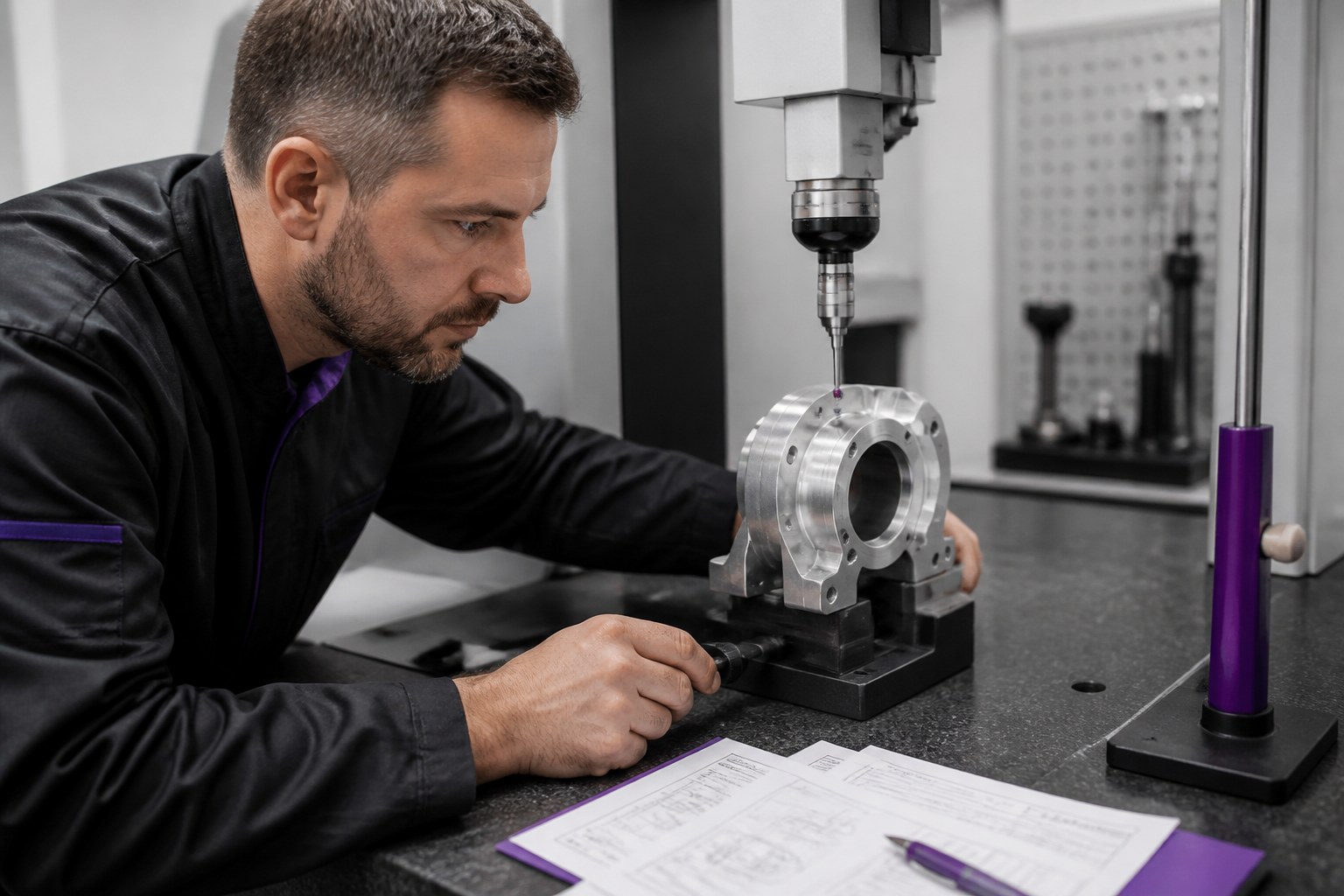
Typical activities include preparing a measurement task, selecting suitable equipment, positioning a workpiece or test object, carrying out measurements and recording the results. The technician also checks whether the procedure follows the applicable instructions and whether the result is complete and understandable for the next person involved.
The work requires careful observation rather than guesswork. A measurement result has value only when the method, equipment and conditions are properly considered. Technicians therefore pay attention to instrument settings, reference points, tolerances, test sequences and irregular results. They report deviations instead of hiding or correcting them without an approved procedure.
Technical documentation forms an important part of the job. Records need to show what was tested, which method was used, what result was obtained and which follow-up action was taken where applicable. Applicants should present experience with this type of controlled work clearly, without claiming responsibility for procedures they have not actually performed.
Qualifications and Experience That Strengthen Your Profile
A completed technical education provides an important basis for measurement technician jobs in Germany. Relevant training may come from a technical vocational programme, further technical education or another qualification that genuinely prepared you for measurement, testing, inspection or quality-related work. The title of your qualification should be stated exactly as it appears on your certificate, together with the institution and completion date.
Practical experience gives your profile additional substance. Describe the measurement or testing tasks you actually performed, the equipment you used and the type of results you documented. Explain whether your work involved incoming inspection, production-related checks, laboratory testing, dimensional verification or another area only when that description reflects your real experience.
Employers and recruiting teams need a reliable picture of your technical level. A precise account of your responsibilities is more useful than a long list of general claims. State whether you worked independently, followed defined procedures, supported senior technicians, prepared reports or investigated deviations. Include the level of responsibility you held rather than presenting every activity as expert-level work.
Accuracy, patience and systematic work are relevant personal qualities in this profession. They become credible when supported by examples: completing repeat measurements consistently, identifying an unusual result, maintaining orderly records or following a safety instruction during a test. Your application should connect these examples with your education and employment history.
Technical Skills to Present Clearly
Your CV should identify the measurement methods, instruments and testing procedures you genuinely know. Depending on your background, this includes dimensional measurement, visual inspection, material or function testing, electrical measurement, laboratory procedures or other technical methods. Do not add a method merely because it appears frequently in job profiles; describe only verified experience.
Name equipment in a way that helps the reader understand your practical ability. Examples include precision measuring instruments, probes, gauges, testing devices, laboratory equipment or inspection systems. If you have worked with calibration-related checks, reference standards or equipment verification, explain the activity accurately. Do not describe yourself as responsible for calibration management if your experience was limited to using verified equipment.
Quality procedures and technical documentation deserve clear space in your application. Mention experience with inspection plans, test instructions, measurement records, deviation reports, quality forms or digital reporting tools where applicable. Software knowledge is relevant when you identify the tool and explain what you used it for, such as recording results, preparing reports or reviewing technical data.
Technical drawings, specifications and tolerance information are also important where they formed part of your work. Explain how you used them in practice. Safety awareness belongs in the same profile: describe how you followed instructions, used protective equipment and handled testing activities responsibly. Reproducible work matters because another qualified person needs to understand and verify the recorded result.
German Skills for Technical Work in Germany
German language skills form part of your candidate profile for technical work in Germany. Measurement and testing technicians communicate about procedures, results, deviations, equipment and safety. They also read instructions, technical documentation and workplace information. Clear communication reduces misunderstandings when a measurement must be repeated or a result requires technical clarification.
There is no single universal German level stated here for every measurement and testing technician. The relevant level depends on the communication required in the working environment and on your actual responsibilities. Your application should therefore state your genuine German ability instead of using an unsupported level as a promise.
Use a recognized Common European Framework of Reference for Languages description such as A2, B1, B2 or C1 when you have a reliable basis for doing so. Add practical information where useful: whether you understand technical instructions, participate in workplace discussions, write short technical records or communicate deviations to colleagues.
Do not conceal gaps in your language profile. Accurate information allows your professional qualifications and experience to be assessed realistically. English skills and other languages may also be relevant in some working environments, but they do not replace a truthful description of your German skills.
Measurement Technician Application Preparation
Application area
What to prepare
How it supports your profile
Technical qualification
Certificates for technical education, vocational training or further qualifications
Shows the formal basis of your measurement and testing profile
Practical measurement and testing experience
Positions, tasks, equipment, methods and documented responsibilities
Shows what you have actually performed and at what level
Language and communication skills
Your genuine German level, CEFR information where available and technical communication experience
Clarifies your ability to understand instructions and discuss technical results
Documents and recognition information
CV, certificates, employment evidence, translations where required and relevant recognition records
Creates a consistent basis for application review and qualification assessment
Recognition of Foreign Qualifications
Professional recognition and employment-related requirements are separate questions. Measurement and testing work often belongs to a non-regulated professional area, but the legal classification depends on the actual reference profession and the relevant circumstances. In a non-regulated profession, German professional recognition is not required in the same way as for a regulated profession. This does not automatically remove the need to provide qualification evidence for residence purposes.
During a recognition procedure, the competent authority compares the foreign professional qualification with the corresponding German reference profession. The authority reviews the submitted documents and assesses whether the qualifications are equivalent or whether substantial differences exist. The result is not guaranteed in advance.
Possible outcomes for a non-regulated profession include full recognition, partial recognition or no recognition. Where substantial differences are identified, an adaptation qualification or another defined qualification measure addresses those differences in suitable cases. For regulated professions, compensatory measures and additional professional-licensing requirements may apply.
Prepare complete and consistent documents before starting any formal review. Differences between the name on your passport, certificates and employment records should be explained. Keep original documents and translations available, and follow the instructions of the competent authority responsible for the procedure.
Documents to Prepare for Your Application
An initiative application for measurement technician jobs should give a complete and readable account of your professional background. Start with a structured CV that lists your contact details, education, technical training, employment history, language skills and relevant technical abilities. Present your employment history in reverse chronological order and explain each position with the employer, job title, period and main responsibilities.
Collect certificates for vocational education, technical training and further qualifications. Include important school, college or university documents where they support your professional profile. Employment certificates, reference letters or other evidence of practical experience are useful when available. The documents should support the claims made in your CV.
Record your German and other language skills accurately. A CEFR description gives the reader a consistent reference where the level has been assessed or otherwise established. Add certificates if you possess them, but do not present an unverified self-assessment as an official examination result.
Foreign-language certificates may require German or English translations depending on the procedure. Whether a certified or otherwise formal translation is required depends on the specific process, so do not apply a blanket rule to every document. Keep digital scans organized and use clear file names. A short document list helps the reviewer understand what is included and what remains unavailable.
How to Present Your Measurement Experience
Describe each relevant position through verifiable activities. Instead of writing only “performed quality control,” explain what you inspected, which equipment or method you used, how you recorded the result and what happened when a deviation appeared. This structure shows technical practice without overstating your experience.
Your description should connect training with practical work. For example, explain how technical education prepared you to read drawings, understand tolerances or follow test procedures, and then show where you applied that knowledge in employment. If a particular method was part of a short course rather than your daily work, label it accordingly.
Mention the equipment and documentation systems you actually used. Include the type of instrument, the purpose of the measurement and your level of responsibility. Statements such as “used,” “supported,” “performed independently” and “prepared reports” communicate different levels of experience. Select the wording that matches your real work history.
Results should be presented factually. You do not need to invent production figures, error reductions or performance percentages. Explain how you ensured reliable records, repeated measurements where instructed, escalated unusual findings and maintained safe working practices.
Applicants should remain open to employment opportunities throughout Germany. An initiative application is not an application for a named vacancy or a particular employer. It presents your professional group, qualifications, experience, German skills and documentation so that suitable employment opportunities can be assessed across the country.
Working Conditions and Contract Details to Understand
Before accepting employment in Germany, read the employment contract carefully. Important information includes the contracting parties, start date, any fixed-term arrangement, probationary period, workplace, duties, remuneration, working time, leave entitlement and notice periods. These terms define the practical framework of the employment relationship.
Pay particular attention to the difference between gross and net pay. Gross remuneration is the amount stated before individual taxes and social-security contributions are deducted. Net pay is the amount remaining after the applicable deductions. The net amount does not follow from the gross amount alone because the calculation depends on personal tax and social-security circumstances.
Additional payments such as supplements or bonuses belong to the contract and applicable rules only when they are actually stated or otherwise applicable. Collective agreements and works agreements may provide additional terms concerning remuneration, working time or leave. Do not treat an informal promise as a contractual entitlement without checking the written terms.
The technical duties should match the professional profile presented during the application. Read the description of the workplace and responsibilities carefully, especially where the work involves equipment, testing procedures, safety instructions or documentation. Ask for clarification about wording you do not understand before signing.
A Practical Preparation Checklist for Applicants
Begin by assessing your actual technical background. List completed education, measurement and testing methods, instruments, documentation systems, software, technical drawing experience and safety-related responsibilities. Separate independent experience from supervised or introductory exposure.
Next, organize your supporting documents. Prepare your CV, certificates, employment evidence, language information and relevant technical records. Check that names, dates and job titles are consistent. Prepare explanations for gaps or differences instead of leaving unclear information for the reviewer to interpret.
Record your German skills honestly and identify the technical situations you handle comfortably. If you need additional language development, define the practical areas that require attention, such as safety instructions, technical vocabulary, spoken coordination or written reporting.
Clarify whether professional recognition is relevant to your qualification and intended work. Keep recognition questions separate from employment-related questions. Complete documents support a formal review, but they do not guarantee a particular outcome.
Finally, prepare a precise initiative application for the professional group of measurement and testing technicians. Present your real qualifications and experience, remain open to jobs throughout Germany and avoid limiting your application to an unverified employer, location or job title. East Talent reviews your professional profile and the documents required for potential employment opportunities in Germany.
Four short steps. A CV is optional and can be provided in your native language.
Step 1 of 4Profession
East Talent
International recruitment with proprietary software
East Talent combines international recruitment with structured digital processes for handling candidate profiles, attracting employers and evaluating job opportunities.