Farmer jobs in Germany cover practical work in crop production, livestock farming, machinery operation and general farm maintenance. Your daily responsibilities depend on the agricultural area, the farm operation and your professional experience. Some applicants work mainly with field crops, while others focus on animals, equipment, harvesting or several areas at the same time.
Agricultural work requires more than physical effort. Employers and placement processes need a clear picture of the tasks you have performed, the equipment you have used, the animals or crops you have worked with and the level of responsibility you have carried. This information helps distinguish between basic assistance, independent routine work and responsibilities involving machinery, animal care or the coordination of other tasks.
Applicants should therefore present themselves as experienced agricultural workers rather than describing their profile only with a general job title. Experience with field work, animal care, harvesting, maintenance or machinery gives your application a more useful professional focus. A detailed profile also helps reviewers understand which types of agricultural work match your previous experience.
Your description should remain accurate and practical. Explain the working environment, the tools or machines involved, the production area and the tasks you completed regularly. If your experience covered several parts of farm operations, separate these areas clearly instead of combining them in one broad statement.
Typical Tasks in Agricultural Work
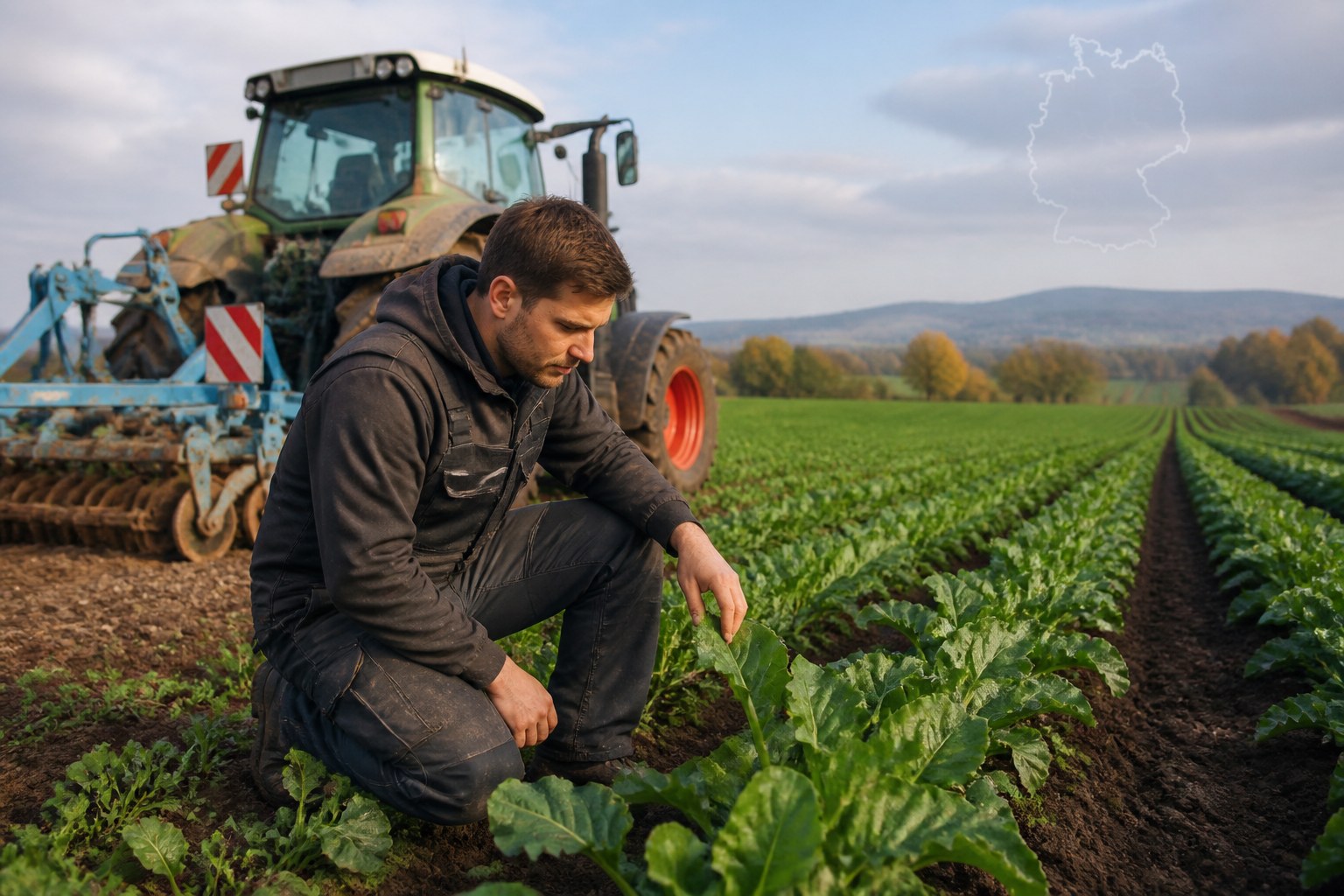
Agricultural work includes recurring operational tasks as well as work that changes with the season. In crop production, responsibilities include preparing soil, planting, cultivating fields, controlling weeds and supporting harvesting activities. A reliable understanding of work sequences is important because delays and mistakes affect the entire production process. Applicants should state whether they worked with manual tools, agricultural equipment or both.
Crop work also includes preparation before and after the main growing period. Depending on your experience, this may involve checking field conditions, loading materials, sorting harvested products, cleaning work areas or supporting storage activities. Describe only tasks you actually performed, and explain whether you worked independently or under supervision.
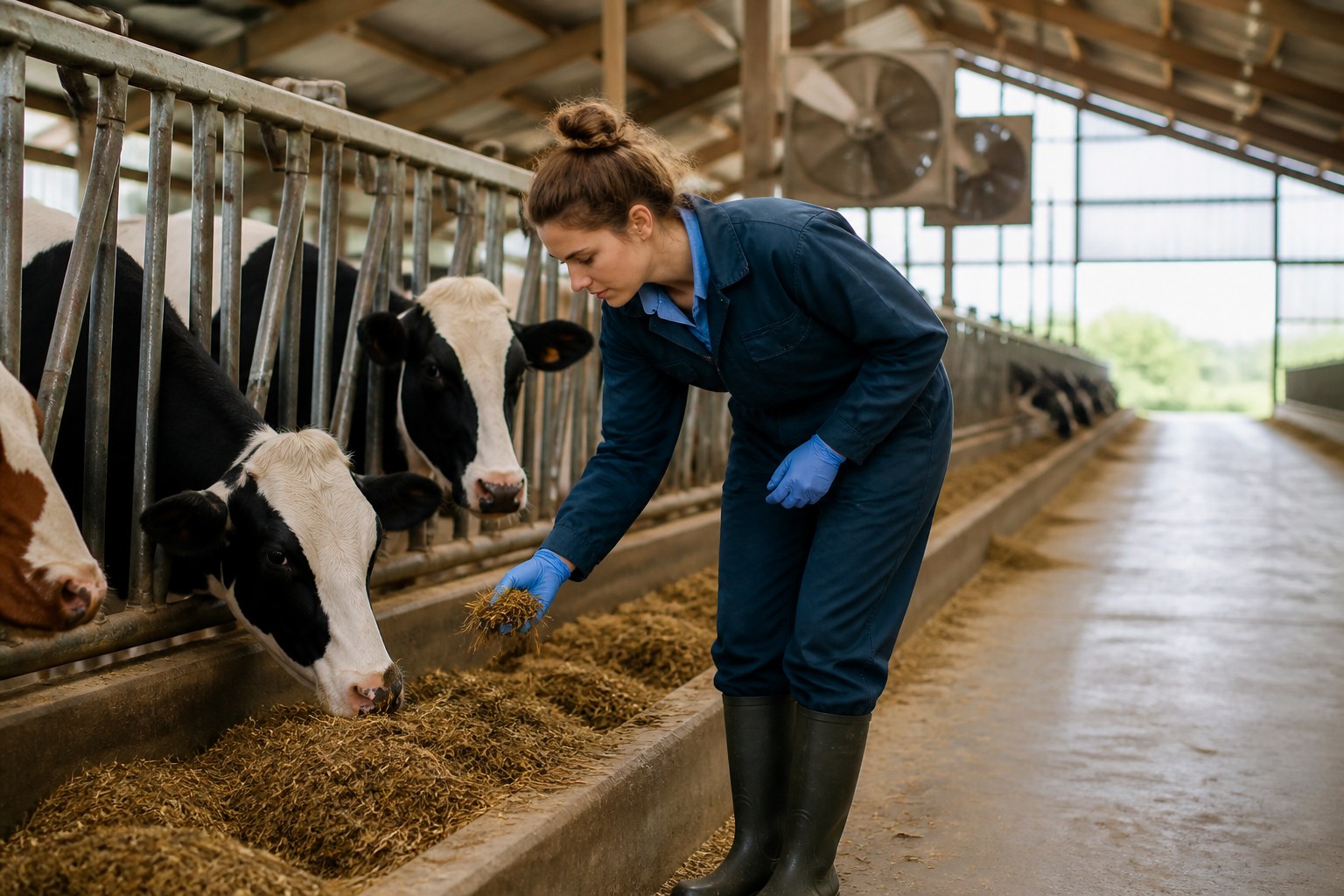
Livestock work focuses on feeding, observing and caring for animals. Applicants with experience in this area should describe the animal species involved, their routine responsibilities and any experience with stable hygiene, feeding systems or basic animal monitoring. Animal care requires consistency because feeding, cleaning and observation follow regular routines and problems must be noticed and reported promptly.
Machinery and equipment are also central to many agricultural roles. Relevant experience includes operating tractors or other agricultural machinery, attaching implements, carrying out routine checks and reporting technical problems. Maintenance work may include cleaning equipment, checking components and keeping tools and working areas in usable condition. State whether you operated equipment independently, assisted another worker or performed only cleaning and routine checks.
Safety instructions apply to machinery, animals, chemicals, transport and physical work. Your application should show that you follow procedures, work carefully around equipment and communicate problems promptly. Familiarity with protective clothing, safe distances, warning signs and orderly work areas supports a credible agricultural profile.
Skills and Experience That Strengthen Your Profile
Practical farming experience is one of the most important elements of an agricultural applicant profile. Describe the duration of each role, the type of farming and the tasks you performed. Work with crops, livestock, machinery and maintenance should appear separately rather than being hidden in a general description. Dates and clear task descriptions make it easier to understand how recently and how extensively you used particular skills.
Experience with a specific agricultural area strengthens your profile when it is documented clearly. Crop experience may include soil preparation, planting, irrigation, cultivation and harvesting. Livestock experience may include feeding, cleaning, animal observation and routine care. Machinery experience should identify the equipment you operated and the work carried out with it. Include seasonal work as well as permanent employment when it added relevant practical experience.
Agricultural work also requires physical reliability, attention to safety and the ability to complete routine tasks consistently. Independent work is important when you are responsible for a defined activity, while teamwork is essential when several people coordinate feeding, harvesting, maintenance or transport. Adaptability also matters because outdoor conditions, production schedules and daily priorities change during the agricultural year.
Do not describe skills that you cannot support through work history, certificates or a clear explanation of your practical experience. Accurate information makes your profile more credible and helps place you in agricultural work that matches your background. If you have limited experience in one area, state this honestly and emphasize the tasks in which you are confident.
Professional reliability includes more than technical ability. Arriving prepared, following instructions, keeping tools in order and reporting damaged equipment are important parts of farm work. Explain these responsibilities when they formed part of your previous roles.
Agricultural Qualifications and Recognition
Include agricultural vocational training, certificates, school records and other relevant qualifications in your application profile. State the name of the qualification, the training institution, the period of training and the main subjects where this information is available. Subjects may include crop production, animal care, agricultural machinery, maintenance, occupational safety or farm management.
Professional experience remains important when your formal training does not fully describe your practical abilities. Employment records should show the employer, position, dates and main responsibilities. References or other evidence of experience provide additional support for your claims. A detailed employment history also clarifies how classroom knowledge was applied in real agricultural work.
The recognition question depends on the profession and the purpose for which the qualification is being used. Regulated professions are legally protected, so the required professional recognition or licence is generally necessary for work in that profession. Non-regulated work is not protected in the same way, and formal German recognition is not generally required to perform the work.
This distinction does not automatically resolve related to working in Germany qualification requirements. Recognition rules for professional practice and requirements connected with residence or employment must be assessed separately for your individual situation. Do not assume that the absence of professional recognition requirements means that no qualification documents are relevant.
Keep certificates, transcripts and evidence of employment together from the beginning. Differences in job titles or training names become easier to explain when your documents show the actual content of your education and work. Where a qualification review is required, complete and consistent records support the assessment process.
German Skills for Work on a Farm
German is an important part of an agricultural candidate profile. You need to understand safety instructions, machinery guidance, animal-care routines and daily coordination with colleagues. Communication also matters when you report a technical problem, explain a change in animal behaviour or clarify the next work step. Clear communication supports safe work around tractors, implements, animals and other hazards.
Document your German skills using the Common European Framework of Reference for Languages, such as A2, B1, B2 or C1, when you know your level. Add information about courses, examinations and practical use of German. Do not claim a language level that you cannot demonstrate in a conversation or in everyday work situations. A realistic description is more useful than an unsupported certificate claim.
There is no single language level that applies universally to every agricultural activity. The practical importance of German increases where the work involves machinery, animal welfare, safety responsibilities, customer contact or close coordination with a team. Applicants should therefore explain how they use German, not only list a level.
Other language skills may support communication, but they do not replace the need to show your German ability. Regular language practice before moving improves your preparation for instructions, workplace conversations and everyday life. Useful preparation includes agricultural vocabulary, safety terms, numbers, measurements and words for tools, parts, feed and animals.
If your language learning is ongoing, record the course provider, dates and current level honestly. This gives reviewers a clear picture of your preparation and avoids confusion between completed training and planned study.
Documents to Prepare Before Applying
Prepare a clear CV that presents your agricultural experience in chronological order. Include your contact details, work history, education, language skills and relevant technical abilities. A concise structure helps reviewers understand your professional background quickly. Use consistent dates and explain periods of seasonal work, temporary employment or gaps where this information is relevant.
Collect certificates from vocational training, agricultural courses and other relevant education. Add employment references or other evidence that supports your practical experience. Important school, training and higher-education certificates may form part of your application documents. Scan documents clearly and keep the original documents available for later checks.
Your profile should describe the equipment you operated, the animals or crops you worked with and the maintenance or safety duties you performed. If you have experience with transport, driving or specialist equipment, include it only when the information is accurate and documented where appropriate. Do not list a machine merely because it was present at a workplace; state the equipment you actually used.
Documents in another language may require translation into German or English for a particular process. Whether a certified or otherwise formal translation is needed depends on the procedure. Keep the original documents available and organize translations when they are relevant to recognition or application requirements. Do not discard older certificates or employment evidence simply because the document does not use a German job title.
Check names, dates and job descriptions across your CV, certificates and references. Consistent information reduces follow-up questions and gives reviewers a reliable basis for assessing your qualifications and experience.
How to Present Your Farming Experience
An agriculture-focused CV should make your practical experience visible within the first sections. For every relevant position, state the period, type of farming, main tasks and level of responsibility. Avoid broad phrases such as “worked on a farm” without explaining what the work involved. A reviewer should understand your professional focus without having to infer it from a job title.
Separate crop and livestock experience where both are part of your background. For crop work, mention soil preparation, planting, cultivation, harvesting or storage activities. For livestock work, identify the animals and describe feeding, cleaning, observation and routine care responsibilities. Include the scale or working environment only when you can describe it accurately and when it helps explain your responsibilities.
List machinery and equipment by function and, where appropriate, by type. Explain whether you operated machinery, performed routine checks, attached implements, cleaned equipment or supported maintenance. Safety duties, protective procedures and reporting responsibilities also belong in the profile. Mention experience with manual tools as well as powered equipment when both form part of your background.
Your application profile is an initiative application for employment in your professional field, not an application for a named vacancy or a specific employer. Present a complete and transferable profile that helps identify agricultural opportunities matching your experience across Germany. This means describing the work you are prepared to perform and the conditions you understand, without limiting the profile to one farm or one preferred location.
A short professional summary at the beginning of the CV helps connect your experience. It should mention your main agricultural area, relevant machinery or livestock knowledge, work experience and German skills. Avoid exaggerated claims and use concrete task descriptions instead.
Farmer Applicant Profile: What to Prepare
Profile area
What to document
Why it matters for your application
Practical farming experience
Farm type, dates, tasks and level of responsibility
Shows the agricultural work you have actually performed
Agricultural training or certificates
Vocational training, courses, certificates and education records
Supports your formal professional background
Machinery and equipment experience
Equipment operated, routine checks, implements and maintenance tasks
Shows your technical abilities and safety-related experience
Livestock or crop knowledge
Animal species, feeding and care duties, or crop and field activities
Clarifies the agricultural area in which you have practical knowledge
German language skills
CEFR level, courses, examinations and practical language use
Indicates your ability to understand instructions and communicate at work
Supporting application documents
CV, certificates, references and relevant translations
Allows your qualifications and experience to be assessed
Working Conditions to Understand Before Moving
Agricultural employment involves outdoor work, changing weather and physical activity. Seasonal workload changes affect planting, cultivation and harvesting periods. Early starts, repetitive tasks, lifting and long periods of standing form part of many agricultural working environments. Applicants should consider whether they are prepared for this combination of physical effort, changing schedules and outdoor conditions.
Machinery and livestock create specific safety responsibilities. Follow instructions, use protective equipment where required and report defects or hazards. Working carefully protects you, colleagues, animals and the equipment. Safety also depends on concentration during routine tasks, particularly when several machines, vehicles or animals are present in the same working area.
Before accepting employment, review the employment contract carefully. It should identify the contracting parties, start date, any fixed term, probationary period, workplace, duties, remuneration, working time, holiday entitlement and notice periods. Read every section that describes deductions, accommodation, transport or additional duties, and ask for clarification before signing when a term is unclear.
Pay is stated as gross or net income. Taxes and social-security contributions are deducted from gross pay according to your individual circumstances, so the net amount is not identical to the contractual gross amount. Additional payments or bonuses depend on the employment relationship and applicable rules. When planning a move, also account for housing, deposits, transport and everyday living costs because these expenses affect the amount available after deductions.
Confirm working hours, accommodation details, transport arrangements and any deductions directly through the employment documents and responsible parties. This article does not promise a particular accommodation, schedule, location, income or set of employment conditions. Keep written information about these points and compare it with the contract before making arrangements.
Agricultural work also requires adjustment to the local working environment. Farm routines, equipment, housing arrangements and transport access differ between operations. Asking clear questions about practical arrangements helps you prepare realistically without assuming that every agricultural workplace follows the same routine.
Be Open to Agricultural Jobs Across Germany
Applicants using East Talent’s candidate pathway must remain open to employment opportunities throughout Germany. The application is not limited to one preferred city or region, and no particular location is promised. Your profile is assessed for agricultural employment in your professional field rather than for one named workplace.
Nationwide openness gives your profile a broader geographic range. It also means that you should prepare for different agricultural environments, farm sizes, production systems and working routines. Your experience with crops, livestock, machinery and maintenance should therefore be described in a way that is useful across different agricultural operations.
State any practical mobility considerations honestly during the application process. At the same time, avoid restricting your profile to a single location if your objective is to find agricultural employment in Germany. Explain your realistic requirements regarding transport, accommodation, family circumstances or start dates so that your profile remains accurate and workable.
Openness to different regions does not remove the need to understand the employment conditions offered later. Location, duties, working hours and accommodation arrangements require clear information before an employment decision. Your preparation should combine geographic flexibility with careful review of the documented conditions.
A Practical Checklist for Farmer Applicants
Start by writing down every relevant agricultural role, including the dates, type of farm and main responsibilities. Then separate your experience into crop production, livestock care, machinery, maintenance and general farm operations. This first overview prevents important seasonal or temporary experience from being omitted.
Collect training certificates, school records, employment references and other supporting documents. Record your German language level using a recognized CEFR description and identify any agricultural or technical courses you have completed. Keep originals and clear copies organized so that you locate documents quickly when they are requested.
Check that your CV explains what you actually did rather than listing only job titles. Include machinery operation, animal or crop responsibilities, safety duties and maintenance experience where these form part of your background. Review dates, contact information and translations for consistency before submitting the profile.
Finally, review the information for accuracy and completeness. An honest, detailed profile gives reviewers a sound basis for assessing your qualifications, experience, German skills and documents. Remove unsupported claims, replace vague descriptions with practical examples and make sure every important skill appears in the correct section.
Before submitting, confirm that your profile reflects openness to agricultural employment throughout Germany. A complete application combines professional detail with realistic information about mobility, language preparation and available documents.
Start Your Application for Agricultural Work
You apply proactively through East Talent for employment in your professional field. At this stage, you are not applying for a named vacancy or a specific employer. Your application presents your agricultural background so that your qualifications and experience receive an appropriate initial review.
The profile review focuses on your agricultural qualifications, professional experience, German skills and the documents required for further assessment. Suitable candidates may subsequently be introduced to matching companies in Germany. Complete and consistent information supports each part of this assessment.
Submit a complete profile and remain open to agricultural employment throughout Germany. Apply now: Apply for jobs in Germany through our application form.
Create your profile
Registration with East Talent
Four short steps. A CV is optional and can be provided in your native language.
Step 1 of 4Profession
East Talent
International recruitment with proprietary software
East Talent combines international recruitment with structured digital processes for handling candidate profiles, attracting employers and evaluating job opportunities.